News, events and chat from Sheffield and South Yorkshire.
Power deal between Labour and Greens in Sheffield
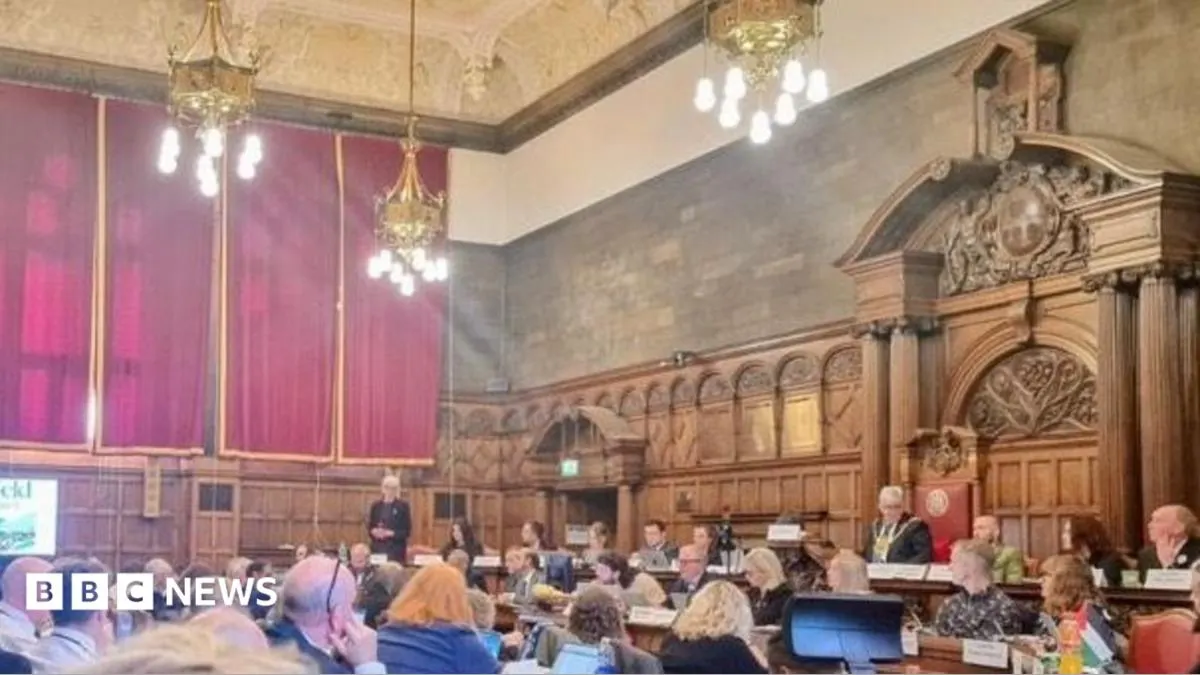
Labour and the Green Party in Sheffield appear set to continue their power-sharing arrangement, despite Labour saying recently that trust between the parties had broken down. Labour council leader Fran Belbin said a joint statement would be issued in the coming days, after talks delayed a full council meeting and helped ease a row over Zionism.
The dispute followed Labour nationally urging 11 councils, including Sheffield, to end power-sharing with the Greens. The arrangement began after May’s local elections left no party in overall control. About 50 people, chiefly pro-Palestinian supporters, protested outside the town hall; Liberal Democrat group leader Martin Smith called Labour’s decision an “extraordinary U-turn”.
In short
- Sheffield Labour and Greens are expected to keep sharing power.
- Talks over a row about Zionism delayed the council meeting.
- Labour’s local leader says a joint statement is due soon.
Steelman: both sides, in good faith
The strongest fair case each way — we don't pick a winner.
The case for
Continuing the arrangement could provide stable leadership after the election left no party in control, while allowing Labour and the Greens to deliver local priorities through cooperation. Supporters may also see further talks as a way to manage a serious disagreement over Zionism without letting national party pressure dictate Sheffield’s choices.
The case against
Ending the arrangement could be justified if Labour believes trust has broken down so far that shared leadership cannot work effectively. Critics may argue that a local coalition should reflect clear agreement between its parties, and that continuing after a major dispute risks weakening accountability and public confidence.
Explained simply
Sheffield City Council runs local services such as housing, roads and rubbish collection. When no party wins a majority of seats, parties can share power by agreeing how to run the council and make decisions.
Labour and the Green Party began sharing power after May’s local elections left the council without a majority party. Labour’s national leadership later urged councils, including Sheffield, to end such arrangements, raising questions about how the local partnership would work.
The disagreement also involved a row over Zionism, a term with different meanings and political associations, and drew protests from mainly pro-Palestinian supporters. The dispute matters because relations between the parties can affect how the council is governed and how local decisions are made.