Health news and discussion on TalkFuse.
Power of the period tracker: Menstrual cycle apps are helping women diagnose and manage diseases — and even find cancer
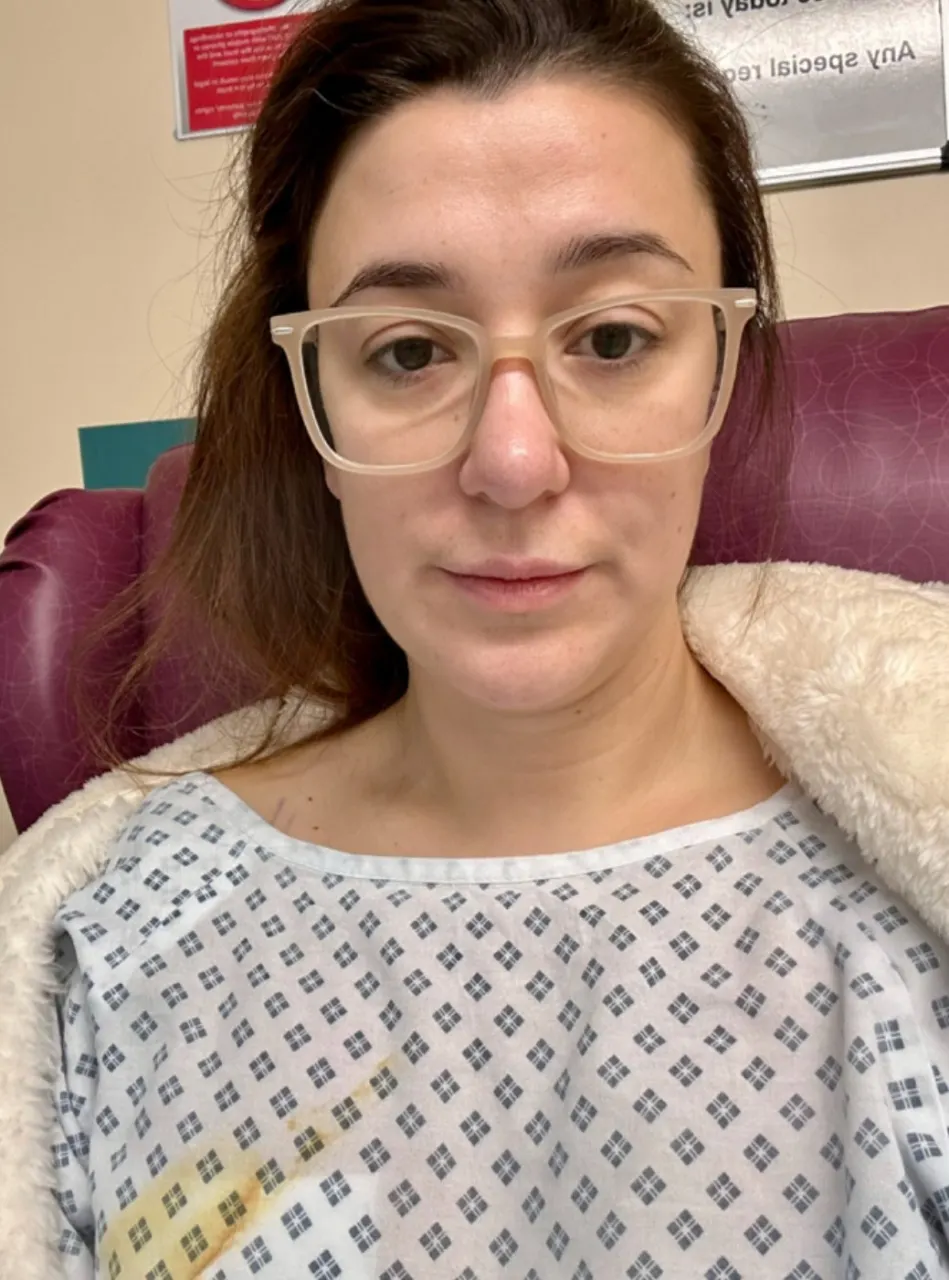
Menstrual cycle tracking apps are helping some women recognise changes in their health and present clearer symptom histories to doctors. Two women described how tracking contributed to earlier breast cancer detection in one case and a diagnosis after years of severe pain in the other, showing how the data may support conversations with clinicians.
Maxine White, 34, said Natural Cycles reminders prompted her to check her breasts; she found a lump that was eventually diagnosed as cancer, initially staged at 2 and later downgraded to stage 1. She had a lumpectomy and radiation, but did not need chemotherapy. Grace Lemire, 27, used cycle and symptom records after years of debilitating pain and, after seeing multiple specialists, was diagnosed with endometriosis and adenomyosis. An Ohio State University study cited in the article suggests nearly half of American women use cycle-tracking apps.
In short
- Cycle tracking helped one woman notice a breast lump.
- Symptom records helped another woman obtain a diagnosis.
- Nearly half of American women use tracking apps, one study suggests.
Explained simply
Menstrual cycle apps let users record periods and related symptoms such as pain, bleeding and mood changes. Over time, these records can help someone spot patterns and give a doctor a clearer account of when symptoms began and how they change.
The apps are not medical tests and cannot diagnose conditions. Breast lumps and persistent or severe pain need assessment by a health professional, who can decide what checks or treatment are appropriate.
Endometriosis and adenomyosis can cause significant pain and may take time to diagnose. Records from cycle apps may help people explain their symptoms during appointments, while the diagnosis depends on clinical assessment.
Health Medicine Software Technology World