Politics news and discussion on TalkFuse.
President Trump needs to get it through his head: Putin isn’t his ‘friend’
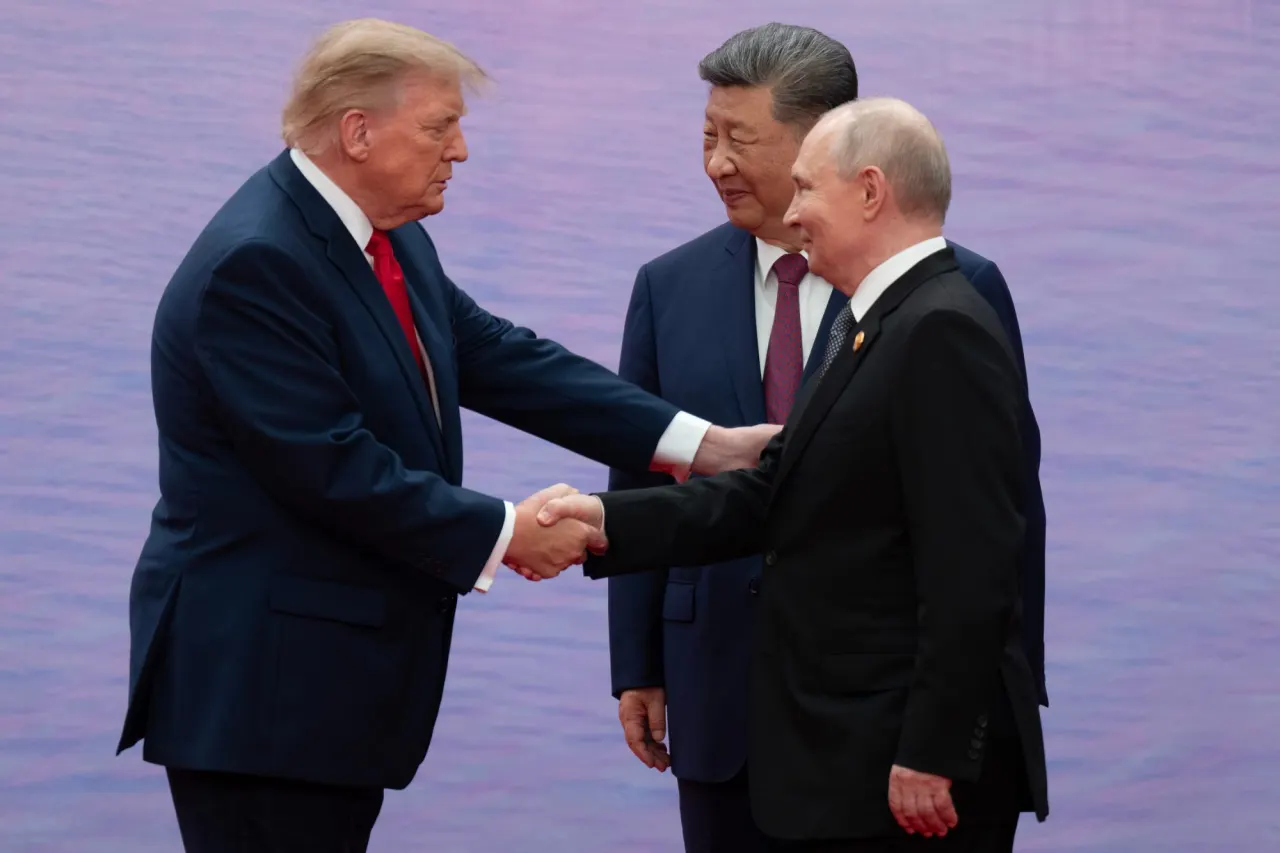
The article argues that President Trump’s warm language towards Vladimir Putin risks mistaking a strategic adversary for a friend. It says Putin’s continuing war against Ukraine, and Russia’s cooperation with countries hostile to the United States, make a tougher approach necessary.
The piece says Trump once supported sending defensive weapons to Ukraine, but has since blamed the war partly on personal animosity between Putin and Volodymyr Zelensky and questioned European military support for Kyiv. It cites a Russian threat of a “painful” response to a Ukrainian strike and drone damage to the Austrian and Dutch embassies in Kyiv. The author calls for greater pressure, including enforcing the Lindsey Graham Act, which Trump signed in September and then effectively nullified the following month.
In short
- Trump called Putin a friend during a meeting in China.
- The article says Russia’s war on Ukraine continues despite peace claims.
- Its author urges stronger pressure on Moscow.
Steelman: both sides, in good faith
The strongest fair case each way — we don't pick a winner.
The case for
A tougher approach is justified because Putin’s actions suggest Russia is pursuing its own strategic interests, not a personal friendship with Trump. Continued war in Ukraine, threats and cooperation with US adversaries make warm rhetoric and weakened pressure risky; enforcing the sanctions law could signal that aggression carries costs and reassure Ukraine and European allies.
The case against
Keeping channels open with Putin and avoiding a sharper confrontation could give diplomacy more room to limit the war and reduce the risk of escalation. Trump may judge that pressure has diminishing returns, while questioning European support or describing the conflict in personal terms could be part of an effort to push both sides towards negotiations and encourage allies to take greater responsibility.
Explained simply
Russia launched a full-scale invasion of Ukraine in 2022, and the war continues to shape relations between Moscow and Western countries. Ukraine’s president, Volodymyr Zelensky, leads its government; Vladimir Putin is Russia’s president. The United States and European countries have provided Ukraine with military and other support.
Donald Trump’s approach to the war and his dealings with Putin have shifted over time, including questions about how much support the United States should provide to Kyiv. The debate matters because US policy can affect Ukraine’s ability to defend itself and influence relations between Russia, the United States and its European allies.