Presidential flip? GOP insider predicts Trump change of mind on key AI policy ahead of midterms
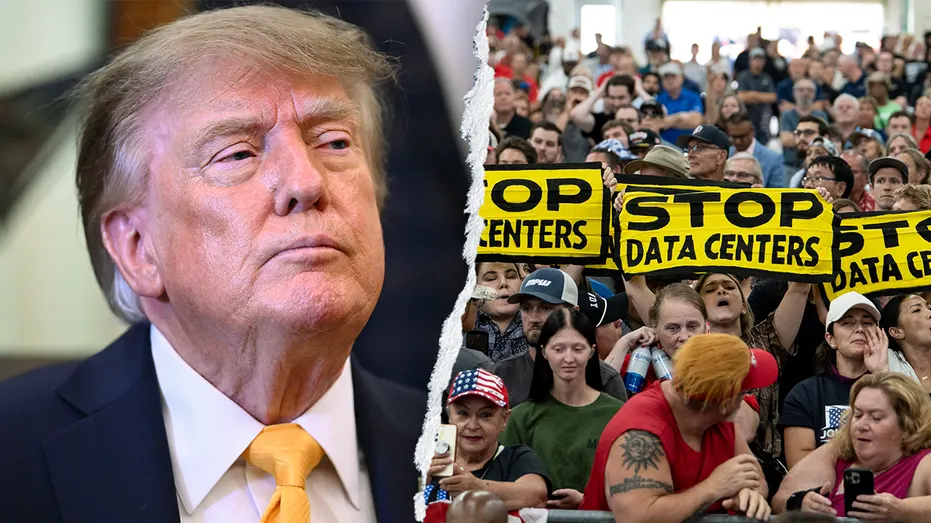
A Republican insider and longtime Trump ally, Amy Kremer, predicts that President Donald Trump will soften his strong backing of AI data centre expansion once he hears directly from voters while campaigning for the midterms this autumn. Kremer, founder of the group "Humans First" and a Republican National Committee member, argues that Trump is currently "only hearing one side of the story from big tech" and believes he will change course after encountering public concern on the campaign trail. This matters because it signals emerging Republican unease over the rapid rollout of AI infrastructure, even as Trump has publicly urged governors and mayors to welcome such developments nationwide.
At the GOP's first midterm convention in Dallas, Humans First unveiled a new data centre policy plan urging Trump and Republican lawmakers to give local communities greater control over development decisions, including the right to reject projects through zoning, and to ban the use of eminent domain for land seizures. The plan also calls for an end to "blank-check" tax breaks, full transparency on project details such as water and electricity use, and protections ensuring ordinary ratepayers do not subsidise the cost of power infrastructure for data centres, with the companies instead bearing those costs. It further raises concerns over water usage and the loss of farmland to data centre construction, reflecting broader friction within the GOP over balancing AI innovation with local and environmental impacts.
In short
- Kremer predicts Trump will shift AI data centre stance after midterm campaigning
- "Humans First" unveiled a policy plan for greater local control over data centres
- Plan seeks transparency, ratepayer protections and limits on eminent domain use
Steelman: both sides, in good faith
The strongest fair case each way — we don't pick a winner.
The case for
Supporters of rapid data centre expansion argue that it provides the computing capacity needed for AI innovation, economic growth and national competitiveness. They may favour streamlined approvals and public incentives where these help attract investment, while maintaining safeguards for local communities and essential services.
The case against
Critics argue that communities should have meaningful control over projects that can consume substantial water and electricity, change land use and require costly infrastructure. They support stronger transparency, limits on tax breaks and eminent domain, and rules ensuring companies rather than ordinary ratepayers bear the costs.
Explained simply
AI data centres are buildings filled with powerful computers that support services such as chatbots and other artificial intelligence tools. They need large amounts of electricity and water, and their construction can affect nearby land and communities.
In the United States, local authorities often make decisions about land use through zoning rules, while tax breaks can be used to attract businesses. Eminent domain is a legal power that allows government to acquire private land for certain public uses, with compensation.
Amy Kremer is a Republican activist, a member of the Republican National Committee and an ally of Donald Trump. Her group, Humans First, is pressing for local say over data centre projects and for companies to cover their infrastructure costs, amid debate among Republicans about how to encourage AI while addressing its effects on communities.
AI Elections Government Politics Technology World