Politics news and discussion on TalkFuse.
Pressure on Gianni Infantino increases as Uefa members prepare to oppose re-election
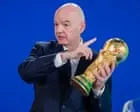
Gianni Infantino's grip on the FIFA presidency has weakened significantly following the failure of his scheme to privatise portions of the World Cup. European football associations that had previously committed to supporting his re-election in March withdrew that backing after collectively threatening to boycott future FIFA competitions unless the initiative was abandoned. The collapse of the proposal has created a dramatic shift in European football governance, where there is now widespread consensus that Infantino's tenure should end.
In response, European nations are orchestrating the formal withdrawal of endorsement letters they had previously submitted, effectively registering a vote of no confidence in Infantino's leadership. Before the recent crisis, all but three of UEFA's 55 member associations had endorsed his candidacy. Meanwhile, some Asian confederations including Qatar have publicly reaffirmed their support for Infantino, though observers question whether these nations fully understand the extent of European opposition. The search for a replacement candidate is accelerating, with any viable challenger needing substantial backing from Asian and North American confederations to succeed, whilst Infantino continues lobbying individual associations to preserve his position.
In short
- FIFA president Infantino faces mounting pressure to resign after his World Cup privatization scheme collapsed and European nations threatened to boycott
- European football associations plan to withdraw their endorsement letters as a collective vote of no confidence in his leadership
- Global support is fractured: Africa and South America back him, whilst Asia and North America remain contested battlegrounds
Steelman: both sides, in good faith
The strongest fair case each way — we don't pick a winner.
The case for
Infantino has demonstrably increased FIFA revenues and expanded development funding across all confederations, with the World Cup privatisation proposal representing pragmatic modernisation necessary for long-term financial sustainability. UEFA's coordinated withdrawal of endorsements, whilst a legitimate tactic, establishes a problematic precedent where regional coalitions can effectively veto FIFA-wide decisions through collective pressure rather than substantive debate. The continued support from Asian and other confederations reflects broader international backing, and Infantino's tenure has demonstrably benefited global football despite regional reservations about specific initiatives.
The case against
The World Cup privatisation scheme represented an unacceptable commercialisation of football's most important competition, prioritising corporate interests over the tournament's integrity and universal accessibility. Infantino's determination to pursue this initiative despite clear, collective opposition from UEFA demonstrated a governance approach unresponsive to member associations' concerns, justifying their withdrawal of confidence. UEFA members exercised their legitimate right to reassess support when the president's vision diverged sharply from their values, and their coordinated position reflects genuine governance concerns rather than regional protectionism.
Explained simply
FIFA is the governing body of world football and organises the men’s World Cup. Its president leads the organisation and is elected by FIFA’s member football associations. Gianni Infantino has held the role since 2016.
European national associations belong to UEFA, one of FIFA’s regional confederations. UEFA members can influence the presidential election, but the result depends on votes from associations around the world, including those in Asia and North America. The balance of support matters because FIFA decisions affect international competitions and how football is governed.
Elections Europe Football Government Politics Sport World