Costly Spider-Noir cancelled despite 11 Emmy nominations and acclaim
Developed over time first seen 2 months ago
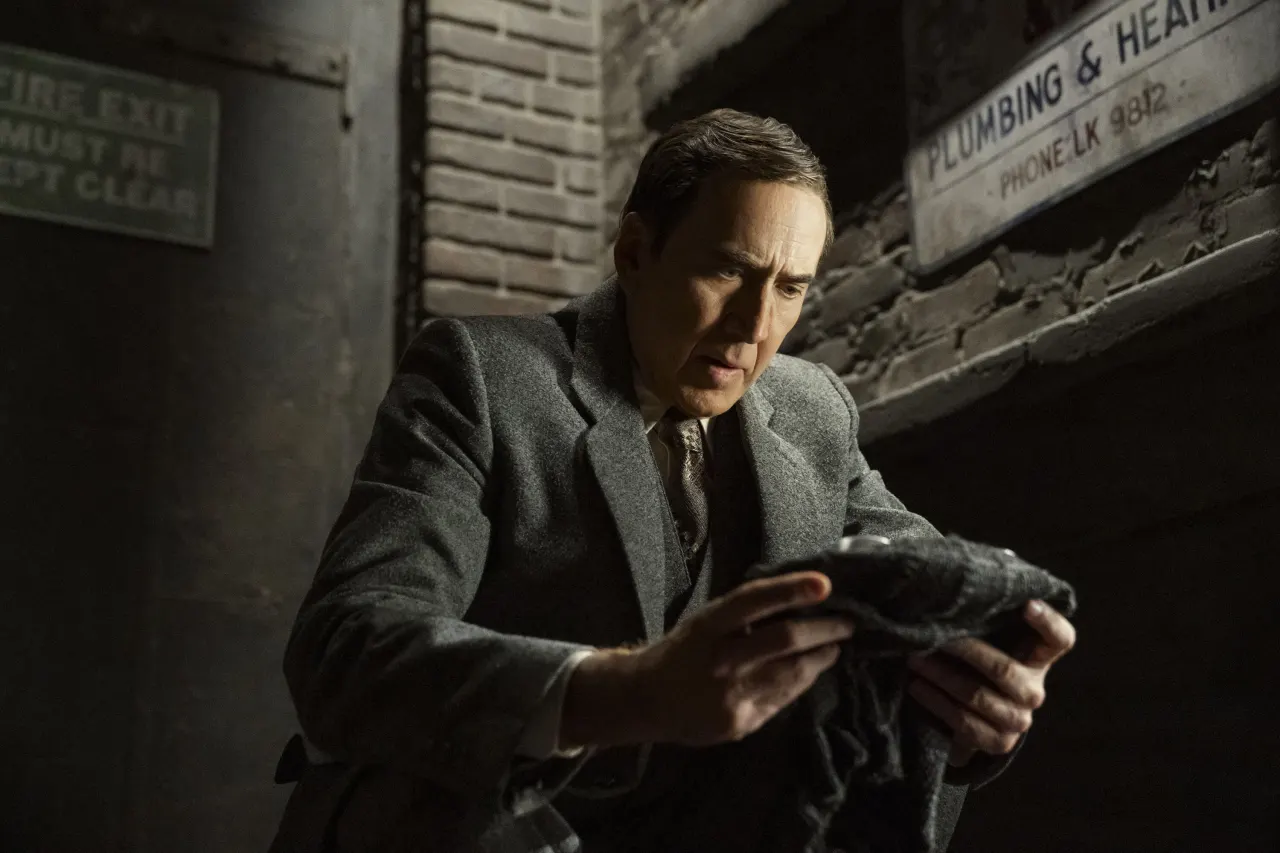
Prime Video has confirmed it will not renew "Spider-Noir," the Nicolas Cage-led superhero drama, for a second season, despite the show earning 11 Emmy nominations, the most of any Prime Video series in 2026. The cancellation ends the run of the first series to reach screen under Amazon MGM Studios' multi-title partnership with Sony Pictures Television, though the wider collaboration continues, with several new projects in development and one said to be nearing a series order. The decision appears rooted in a mismatch between the show's high production costs, including filming both colour and black-and-white versions, and viewership that was solid but did not sustain momentum, with estimates suggesting the season cost around $400 million to make.
Spider-Noir scored a 92% critics' rating and 90% audience score on Rotten Tomatoes and launched at No.2 on Nielsen's US Top 10 for original series, drawing 851 million minutes viewed in its first week and 2.6 billion over its first six weeks, before dropping off daily rankings faster than other Prime Video hits such as Reacher. The series, based on the Marvel comic Spider-Man Noir, starred Cage as 1930s New York private investigator Ben Reilly alongside a cast including Lamorne Morris and Brendan Gleeson, and was developed with the Spider-Man: Into the Spider-Verse team of Phil Lord, Christopher Miller and Amy Pascal. Season one told a largely complete story, meaning fans are left with few unresolved threads despite the cancellation.
- Prime Video cancels "Spider-Noir" despite 11 Emmy nominations.
- High production costs outweighed solid but unsustained viewership.
- Amazon-Sony TV partnership continues with other projects in development.
New here? Start with this
Prime Video is an Amazon-owned streaming service, and it has cancelled "Spider-Noir" after just one series, even though the show was widely praised by critics and picked up 11 Emmy nominations. The series starred Nicolas Cage as Ben Reilly, a 1930s New York detective with Spider-Man-style powers, and was based on a Marvel comic. It was made under a new partnership between Amazon MGM Studios and Sony Pictures Television, and was the first show from that deal to actually air.
The decision matters because it highlights the tension in streaming between critical acclaim and commercial viability. "Spider-Noir" was expensive to produce, partly because episodes were shot in both colour and black-and-white, and while it drew respectable viewing figures at launch, interest dropped off faster than other recent Prime Video hits. That combination of high cost and fading audience numbers appears to have driven the cancellation, despite the show's reviews.
The wider Amazon-Sony partnership is not affected and continues with other projects in development, so the story is really about the fate of one show rather than the collaboration itself. Key figures involved in "Spider-Noir" included Phil Lord, Christopher Miller and Amy Pascal, known for the "Spider-Verse" animated films, alongside showrunners Oren Uziel and Steve Lightfoot.
Both sides, in good faith
The strongest fair case each way — we don't pick a winner.
The case for
A critically acclaimed series earning 11 Emmy nominations and achieving 90% audience approval on Rotten Tomatoes represents exactly the prestige content that justifies a streaming service's investment. With 2.6 billion minutes viewed in its opening six weeks and a narratively complete story that satisfies viewers rather than frustrates them with cliffhangers, the show demonstrated both quality and substantial audience engagement. Cancelling due to viewership momentum declining overlooks that prestige series often build audiences gradually through awards recognition and awards season buzz, which can drive future international sales and establish brand value. The creative partnership with the acclaimed Spider-Verse team deserves preservation for its long-term brand value.
The case against
A $400 million production cost for a single season demands proportionate returns that the viewership data does not justify. Whilst initial engagement was substantial, the show's notably faster decline in daily rankings compared to other Prime Video successes suggests audience interest was not sustaining, making a second season at comparable cost unlikely to reverse this trajectory. Streaming services operate under different economic constraints than traditional broadcasters and must allocate resources efficiently across their entire slate to maximise overall returns. Cancelling a costly show with demonstrably declining momentum, regardless of critical acclaim, represents sound financial stewardship rather than artistic failure.
Full account
Spider-Noir, the noir-tinged superhero drama that gave Nicolas Cage his first regular television role, has been cancelled after a single eight-episode run, with Amazon confirming there will be no second season. The decision lands awkwardly for the streamer, arriving just as the show heads into Emmy weekend with 11 nominations, the most of any Prime Video title this year, and on the back of strong reviews, including a 92% critics' score and a 90% audience score on Rotten Tomatoes. Set during the Great Depression, the series cast Cage as Ben Reilly, a weary private investigator in 1930s New York who takes on the mantle of the city's sole masked hero while confronting a personal tragedy from his past. It was based on the Marvel Comics character Spider-Man Noir and adapted for television by Oren Uziel.
The series formed part of a wider agreement between Amazon MGM Studios and Sony Pictures Television to mine Sony's Spider-Man-adjacent library, which reportedly encompasses more than 900 associated Marvel characters. Accounts differ slightly on how Spider-Noir fits into that arrangement: one report frames it as the first Marvel-related show to emerge from the partnership, while another notes it was actually the second project ordered under the deal, after a Spider-Man spinoff called Silk was scrapped before ever reaching screens, meaning Spider-Noir became the first to actually air. Both agree, however, that the broader Amazon-Sony collaboration is continuing regardless, with further projects in the works; one account describes a new series as already close to a formal order, while the other simply says a follow-up is expected to be unveiled before long.
Spider-Noir launched on the linear MGM+ channel on 25 May before moving to Prime Video streaming shortly afterwards, with sources giving slightly different dates for that wider rollout, and viewers were offered the novelty of watching in either full colour or black and white. Nielsen figures cited by both reports show the show racking up 2.6 billion viewing minutes across its first six weeks in the US. One account adds further texture to the ratings picture, noting the series opened at number two on Nielsen's weekly chart for original programmes with 851 million minutes watched in its debut week, but that it subsequently fell out of Prime Video's daily top ten more quickly than comparable recent titles such as Off Campus, Reacher and Ride Or Die. That same report suggests the show's respectable but ultimately unspectacular audience retention, set against the considerable expense of shooting parallel colour and monochrome versions, likely tipped the cost-versus-performance calculation against renewal. It also strikes a reassuring note for fans, observing that the first season largely resolved its central story, leaving only minor threads dangling.
The show's ensemble included Lamorne Morris, Li Jun Li, Karen Rodriguez, Abraham Popoola, Jack Huston and Brendan Gleeson, with Uziel and Steve Lightfoot serving as co-showrunners and executive producers. It carried notable creative pedigree from the team behind Spider-Man: Into the Spider-Verse, with Phil Lord and Christopher Miller executive producing through their Lord Miller banner alongside Amy Pascal of Pascal Pictures, plus Aditya Sood, Dan Shear, Cage himself and Pavlina Hatoupis; Fleabag director Harry Bradbeer helmed and executive produced the opening two episodes. Notably, all 11 of the show's Emmy nominations sit in technical and craft categories, spanning production design, cinematography, sound, visual effects, stunt work, prosthetic makeup and original music, rather than in the major writing, directing or acting races, underscoring that the industry recognition centred on the production's craftsmanship even as the series struggled to justify its budget commercially.
Where outlets differ
One account calls Spider-Noir the first Marvel-related series out of the Amazon-Sony deal, while the other clarifies it was the second ordered (after Silk, which was scrapped) but the first to actually premiere.
The reports give slightly different dates for the show's move from MGM+ to global Prime Video streaming (one says the day after its 25 May debut, the other specifies 27 May).
Only one source provides detailed ratings context beyond the six-week total — the show's number two debut and 851 million first-week minutes — and its observation that the series fell out of the daily top ten faster than shows like Off Campus, Reacher and Ride Or Die.
That same source explicitly links the cancellation to a cost-versus-performance calculation driven by the expense of filming both colour and black-and-white versions, whereas the other report does not speculate on the reasoning and instead emphasises the show's Emmy haul and list of nominated categories.
One account notes a next project from the Amazon-Sony partnership is 'expected to be announced soon,' while the other says a project is already 'nearing a series order,' suggesting differing levels of certainty about how advanced the next show is.