Prison staff asked to warn of any prison unrest due to delays in releases
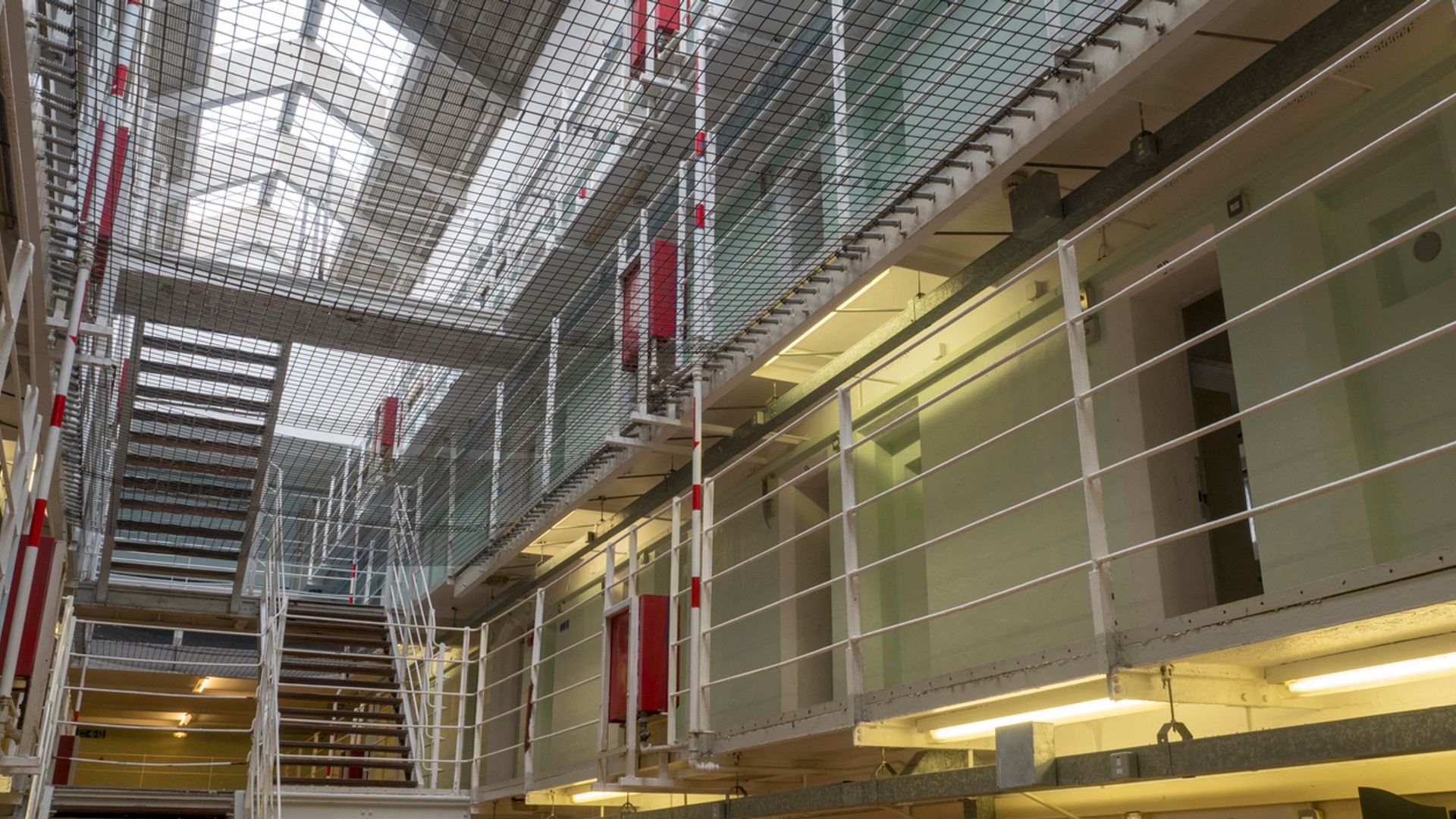
The government has asked prison staff to report any emerging “stability issues” after pausing planned early prisoner releases, amid concern that disappointment and uncertainty could trigger unrest in jails. The decision highlights the tension between prioritising public safety and managing severe prison overcrowding.
The reforms had been due to begin on 2 September and could have released up to 7,000 prisoners in 10 stages. Under the Sentencing Act’s proposed model, many prisoners would have been released after serving a third of standard sentences under community supervision, while some serious offenders could have become eligible after half rather than two-thirds; men’s prisons are operating at 97% capacity, with about 2,000 spaces available.
In short
- Early-release plans were paused amid safety concerns.
- Staff were asked to flag potential prison unrest.
- Prisons remain near capacity despite the pause.
Steelman: both sides, in good faith
The strongest fair case each way — we don't pick a winner.
The case for
The case for early release centres on pragmatic prison management: with men's prisons at 97% capacity and fewer than 2,000 spaces available, overcrowding poses genuine risks to security, staff safety, and humane conditions. The proposed scheme was structured responsibly, releasing most prisoners only after serving one-third of their sentences under community supervision, whilst serious offenders would serve half their terms before release. Early release under such supervision actually maintains public protection whilst addressing an unsustainable system capacity crisis.
The case against
The case for caution emphasises that public confidence in the justice system depends on sentences reflecting proportionate punishment and genuine risk management, not administrative convenience. Releasing prisoners earlier, even under supervision, creates legitimate public concern about victim safety and community wellbeing. The government's own request for warnings of potential prison unrest suggests serious doubts about whether the scheme adequately safeguards public protection. Sustainable solutions require addressing root causes of prison population growth rather than simply releasing more prisoners to ease overcrowding.
Explained simply
Britain's prisons are severely overcrowded, with men's facilities operating at 97 per cent capacity and fewer than 2,000 empty spaces. The government proposed early release reforms to reduce overcrowding by releasing thousands of prisoners after they had served only a third of their sentences, under community supervision. These reforms were scheduled to begin in September.
Under the proposed scheme, eligible prisoners would be released having served a third of their standard sentence rather than two-thirds. Serious offenders would become eligible after serving half their sentence instead of two-thirds. The scheme could have released up to 7,000 prisoners in stages, significantly reducing the prison population.
Such early release schemes represent a difficult balance between practical prison management and public confidence in the justice system. Policymakers must weigh the urgent need to reduce overcrowding against concerns about public safety and whether sentences are being served appropriately.