World news and discussion on TalkFuse.
Private parking firms accused of ‘misusing’ legal system by clogging up courts to chase down motorists
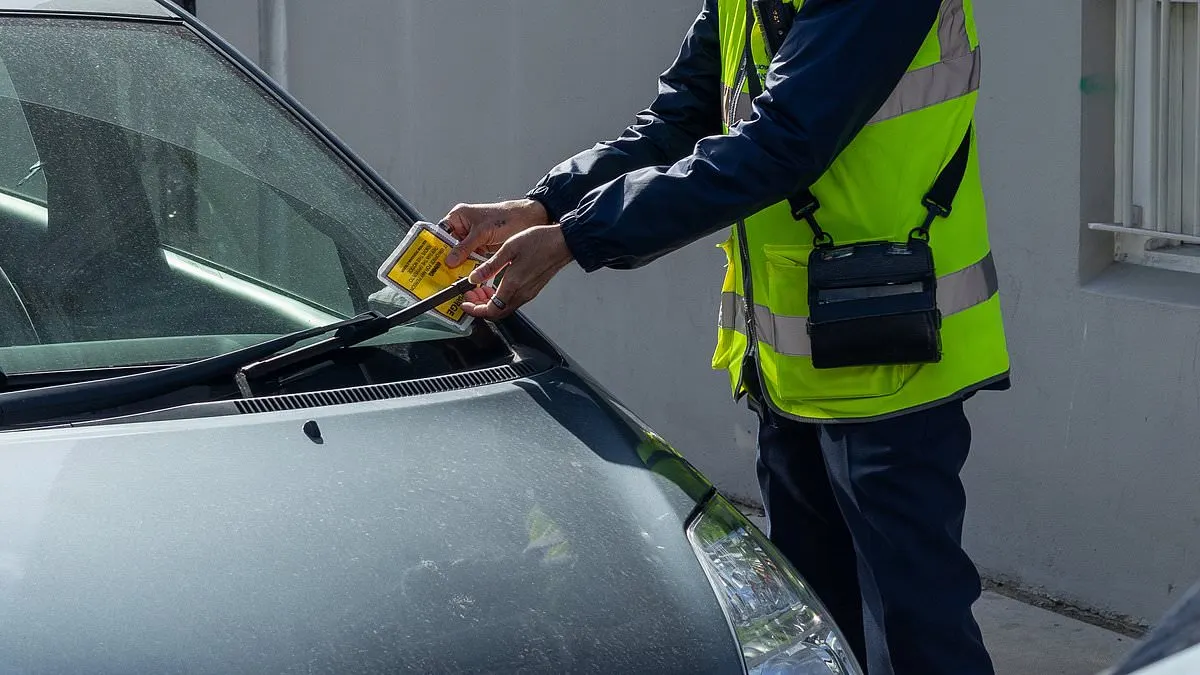
Private parking companies are facing criticism for taking more motorists to court, with new Ministry of Justice figures linking parking recovery claims to a sharp rise in small claims. The AA says pursuing charges through the courts is disproportionate and adds pressure to an already strained system.
Overall claims rose 11 per cent between April and June compared with the same period in 2025, while claims of £500 or less increased by 21 per cent. Private operators issue more than 16 million parking charges a year; the RAC reported a 17 per cent annual rise to a record 16.9 million tickets. New rules give drivers time to find a space and leave, and remove charges for some honest mistakes, but motoring groups want the maximum charge capped at £50.
In short
- Parking claims are linked to rising small claims.
- Claims of £500 or less rose 21 per cent.
- Motoring groups want a £50 cap on charges.
Steelman: both sides, in good faith
The strongest fair case each way — we don't pick a winner.
The case for
Private parking firms can argue that court claims are a necessary last resort when motorists do not pay charges issued under clear, properly displayed terms. Enforcing those terms may deter abuse, help keep parking spaces available and recover legitimate costs, while new rules offering time to park and excusing some mistakes address fairness concerns. The rise in claims may reflect the large number of charges issued rather than misuse of the courts.
The case against
Critics can argue that pursuing large numbers of relatively small parking charges through litigation is disproportionate, particularly when it adds to pressure on an already strained small-claims system. Drivers may face charges for minor errors or circumstances beyond their control, and the scale of ticketing strengthens the case for a lower cap and more accessible ways to resolve disputes. On this view, court action should be reserved for cases where a charge is clearly fair and other routes have failed.
Explained simply
Private parking companies manage car parks on private land, such as those at shops and hospitals. They can issue a parking charge if a driver breaks the site’s terms, for example by overstaying or failing to pay. These charges are usually pursued as a civil debt rather than a criminal fine.
If a charge is disputed or left unpaid, a company may seek payment through the small claims court, which handles lower-value disputes. The Ministry of Justice figures track claims across the system, while motoring organisations say the increase in parking cases can add to the courts’ workload. Drivers and companies may disagree over whether a charge was properly issued or is reasonable.
New rules give drivers time to park and leave and remove charges for some genuine mistakes. Motoring groups want a £50 limit on the maximum charge; the rules and proposed cap matter to drivers facing a bill and to the courts handling disputes.