Nikon disqualifies AI-generated microscopy video from competition winner
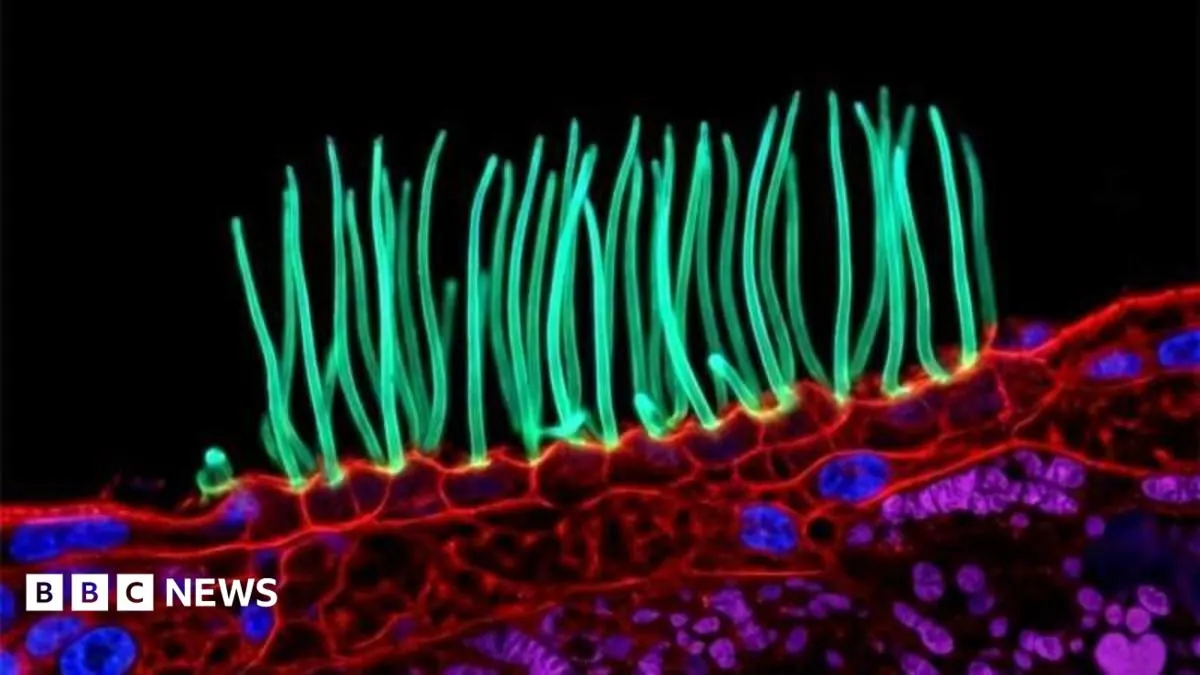
The winner of Nikon's prestigious Small World In Motion microscopy photography competition has been disqualified after an investigation found the winning video was created using generative AI, which violates the contest rules. The disqualification comes after concerns raised by scientists, including former competition judges, who questioned the authenticity of the entry and prompted Nikon to re-evaluate the submission.
The winning entry came from Dr Ning Xu of Tsinghua University in China, who submitted a video showing cilia (hair-like structures) moving in the airway of a child with the respiratory condition PCD. Dr Robert Hirst, a leading PCD expert from the University of Leicester with 20 years of experience diagnosing the condition, said the cellular structures and cilia in the video bore no resemblance to those found in actual PCD patients, and he recognised the video as fabricated immediately. Nikon's Small World In Motion contest, which has run for 15 years, now plans to review its rules and procedures regarding generative AI use.
- Nikon disqualified the Small World In Motion competition winner for using generative AI.
- The winning video of PCD cilia was deemed fabricated by microscopy experts.
- The 15-year-old contest will now review its AI rules and procedures.
New here? Start with this
Nikon's Small World In Motion is a long-running photography competition that celebrates exceptional microscopy images and videos from around the world. The contest has been running for 15 years and attracts submissions from scientists and researchers showcasing genuine discoveries and natural phenomena at microscopic scales. Winning entries are prestigious achievements in the scientific and imaging communities.
Generative artificial intelligence is technology that can create new images or videos based on patterns learned from existing data, rather than capturing real phenomena with a camera or microscope. Nikon's competition rules explicitly prohibit the use of generative AI because the contest is meant to showcase real scientific observation and the photographer's ability to capture genuine biological structures and processes. Using AI to generate entries undermines the authenticity that makes such competitions scientifically and professionally valuable.
The distinction between real and artificially generated microscopy is particularly important in scientific contexts, where accuracy and genuine observation form the foundation of research and medical understanding. When scientists rely on microscopy images or videos to understand disease conditions or biological processes, they need confidence that what they are seeing reflects actual biological structures. This is why scientific communities maintain strict rules about submission authenticity in competitions and publications.
Read the full article at the source →
Originally published by BBC Technology as “Prize-winning image which sparked backlash was AI-generated, Nikon rules”.