Activists exclude pro-Israel Jewish groups from Cable Street anniversary march
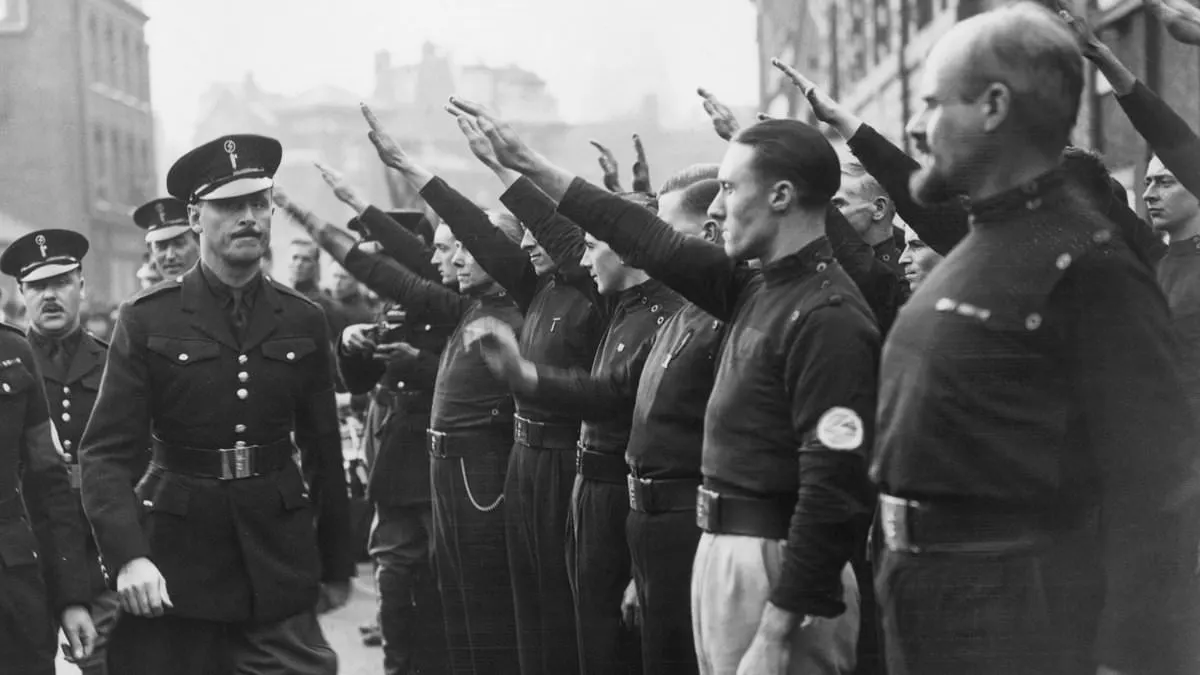
Activists have told pro-Israel Jewish groups they are not welcome at a march marking 90 years since the Battle of Cable Street, where East End residents opposed Oswald Mosley’s fascist movement. The dispute has drawn attention to competing views over who should represent the anti-fascist legacy of the event and how it relates to contemporary arguments about Israel and anti-Zionism.
Jewish Anti-Zionist Action and allied left-wing organisations are behind the campaign; the group says there can be no anti-fascism without anti-Zionism. Its spokesperson, Talia Woodin, criticised the Board of Deputies of British Jews, which is holding a festival of Jewish culture, citing its 1936 advice to Jewish Chronicle readers to avoid Cable Street. Police said disorder was not expected, though disagreements between groups remained possible.
- Pro-Israel groups were told they were not welcome at the anniversary march.
- The event marks 90 years since the Battle of Cable Street.
- Activists dispute the Board of Deputies’ role in the commemoration.
New here? Start with this
The Battle of Cable Street was a key moment in British anti-fascist history when residents of London's East End confronted Oswald Mosley's fascist movement in 1936. The event is still remembered as a significant moment of ordinary people standing against fascism.
A dispute has arisen over who should be involved in marking the 90th anniversary march. Some left-wing activists, including Jewish Anti-Zionist Action, are excluding pro-Israel Jewish groups, saying that anti-fascism must include opposition to Zionism, the movement supporting a Jewish state in Israel. Other Jewish organisations, including the Board of Deputies of British Jews, hold different views and want to participate in marking the 1936 event.
The row reflects disagreements about how to interpret anti-fascist history and whose voices represent it. It also shows differing perspectives within Jewish communities on Israel and Zionism, matters that divide people globally and have become connected to how communities remember their histories.
Both sides, in good faith
The strongest fair case each way — we don't pick a winner.
The case for
Those supporting the exclusion contend that anti-Zionism is integral to genuine anti-fascism, as they view the occupation of Palestinian territory as fundamentally incompatible with the anti-authoritarian values that Cable Street commemorates. They argue that participating alongside groups supportive of Israeli state policies would undermine solidarity with those they consider to face systematic oppression, and that the march should reflect consistent anti-fascist principles.
The case against
Those opposing the exclusion argue that political tests based on views about Israel contradict the inclusive and pluralistic principles that anti-fascism should defend. They contend that Jewish communities deserve political diversity and the right to participate in their own historical commemorations regardless of individual stances on Israeli policy, and that such exclusions amount to a form of discrimination that weakens rather than strengthens anti-fascist movements.
Read the full article at the source →
Originally published by Daily Mail as “Pro-Israel groups ‘are not welcome’ at march to remember blackshirts battle”.