Entertainment news and discussion on TalkFuse.
Producers Ross Kauffman, Sarah Sarandos, Scott Veltri Board ‘They Were Good Dogs,’ Lily Blavin Exposé On Beagles Used For Research
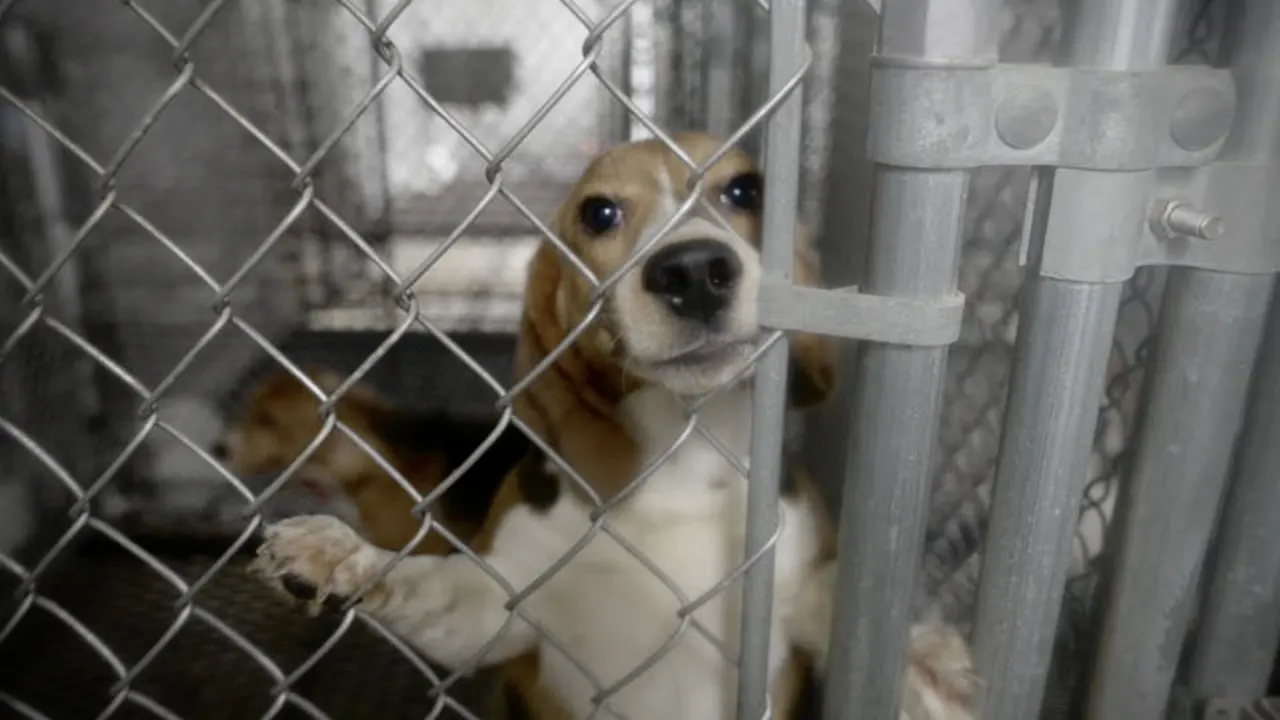
Oscar-winning producers Ross Kauffman and Sarah Sarandos have joined the production team for "They Were Good Dogs," a documentary exposing the breeding and testing of beagles in pharmaceutical and chemical research facilities. Directed by Lily Blavin in her feature directorial debut, the film results from six years of investigation into practices that kill an estimated 70,000 beagles annually. The project matters because most people are unaware of this hidden industry, making public exposure potentially crucial for systemic change.
The documentary features exclusive undercover footage, whistleblower testimony, and unprecedented access to animal rescue activists. A pivotal moment documented in the film shows activists descending on Ridglan Farms in Wisconsin, resulting in a tense standoff with law enforcement that culminated in Blavin negotiating the rescue of all 2,100 beagles from the facility. The film also includes testimony from a whistleblower inside a major laboratory that has never been previously infiltrated, providing rare insider perspective on the testing industry.
In short
- Oscar-winning producers backing documentary on beagle laboratory testing practices
- Approximately 70,000 beagles killed annually in pharmaceutical and chemical research
- 2,100 beagles rescued from Wisconsin breeding facility during documentary filming
Steelman: both sides, in good faith
The strongest fair case each way — we don't pick a winner.
The case for
Pharmaceutical regulations require animal testing because sophisticated alternatives cannot yet fully predict human responses to novel substances; defenders argue this protects public safety whilst responsible oversight and strict protocols minimise animal suffering. They emphasise that animal models have been crucial to developing life-saving medicines and that current alternatives, whilst improving, remain scientifically incomplete in replicating living organism complexity. Until regulators accept non-animal methods as sufficient safeguards, they contend that rigorous, ethically-conducted animal testing remains necessary for human wellbeing.
The case against
Opponents contend that pharmaceutical animal testing causes avoidable suffering to sentient beings when viable alternatives now exist. They highlight advances in human tissue models, organ-on-chip systems, and computational biology that can replicate human responses more accurately than animal models whilst eliminating animal suffering. With major companies and regulators increasingly accepting non-animal methods for many applications, critics view large-scale testing as morally indefensible, driven by institutional inertia rather than genuine scientific need.
Explained simply
Beagles are bred for use in research because their size and temperament make them suitable for handling in laboratories. Pharmaceutical and chemical companies use animals to study how products affect living bodies, although rules and practices vary by country and facility. Some beagles are later rehomed, while others are killed during or after testing.
The issue involves researchers and companies that use animals, regulators responsible for overseeing research, and animal welfare groups that oppose or scrutinise the practice. Documentaries and investigations can bring attention to conditions inside breeding and testing facilities, where the public may have little direct access. The debate touches on animal welfare, scientific research and how medicines and chemicals should be tested.
Entertainment Film Health Medicine