World news and discussion on TalkFuse.
PROFESSOR DOUG STOKES: Ending slavery cost Britain far more than it ever profited from the trade. The demand for reparations is simply blackmail
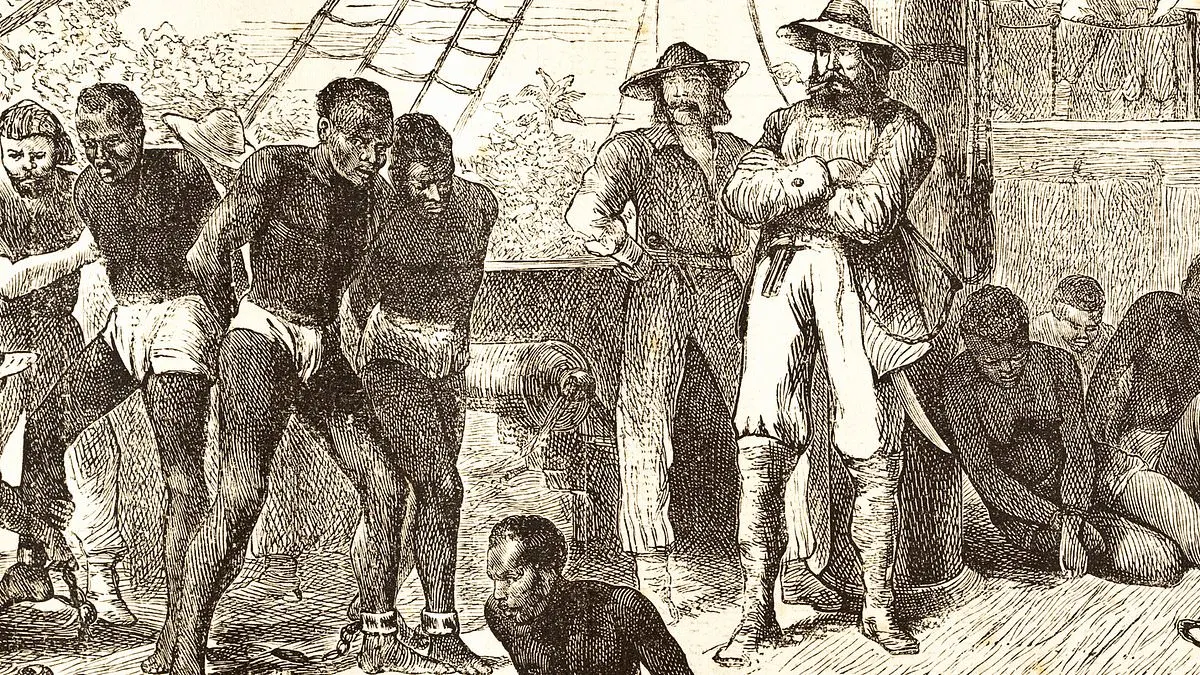
Professor Doug Stokes argues that Britain should not apologise or pay reparations for its role in the transatlantic slave trade, which he says was abhorrent but did not create the country’s overall prosperity. He criticises Green Party spokesperson Princess Antoinette Fernandez’s campaign for compensation and Andy Burnham’s openness to a formal apology.
Stokes cites a University of the West Indies report estimating reparations at £19.7 trillion, more than 14 times the UK Government’s annual budget. He says slavery enriched some British merchants and regions, but argues that industrial innovation and the work of the wider population were the main sources of national wealth; he also points to modern slavery in countries seeking reparations.
In short
- Stokes rejects calls for British slavery reparations.
- A report puts the proposed sum at £19.7 trillion.
- He argues slavery was not the foundation of Britain’s prosperity.
Steelman: both sides, in good faith
The strongest fair case each way — we don't pick a winner.
The case for
Britain’s role in slavery caused grave, lasting harm, and a formal apology or reparations could acknowledge that responsibility and support redress for its enduring consequences. Advocates may argue that the wealth and institutions built during and after slavery cannot be separated neatly from its profits, and that the scale or cost of a claim does not settle the moral question.
The case against
Slavery was abhorrent, but Britain’s overall prosperity had multiple sources, including industrial innovation and the labour of the wider population; its gains from the trade were concentrated among particular merchants and regions. Critics may therefore argue that present-day taxpayers should not be held liable for a vast reparations claim, especially where responsibility, beneficiaries and appropriate remedies are disputed, while still recognising the historical wrong.
Explained simply
The transatlantic slave trade forcibly carried millions of Africans to the Americas, where they and their descendants were enslaved. Britain took part in the trade and later abolished it: Parliament outlawed British participation in the trade in 1807 and slavery in most of the British Empire in 1833.
Reparations are payments or other measures intended to address harm caused by past injustice. Calls for reparations related to slavery include proposals for compensation to affected communities and countries; estimates of the sums involved vary, and the figures can be disputed.
The debate also concerns how slavery shaped Britain’s wealth and what responsibility the state has today. Historians and economists examine both the profits made by people and industries connected to slavery and the wider causes of Britain’s industrial growth.