Culture news and discussion on TalkFuse.
Progressive praise for Trump as Warren backs push to curb defense contractor CEO payouts
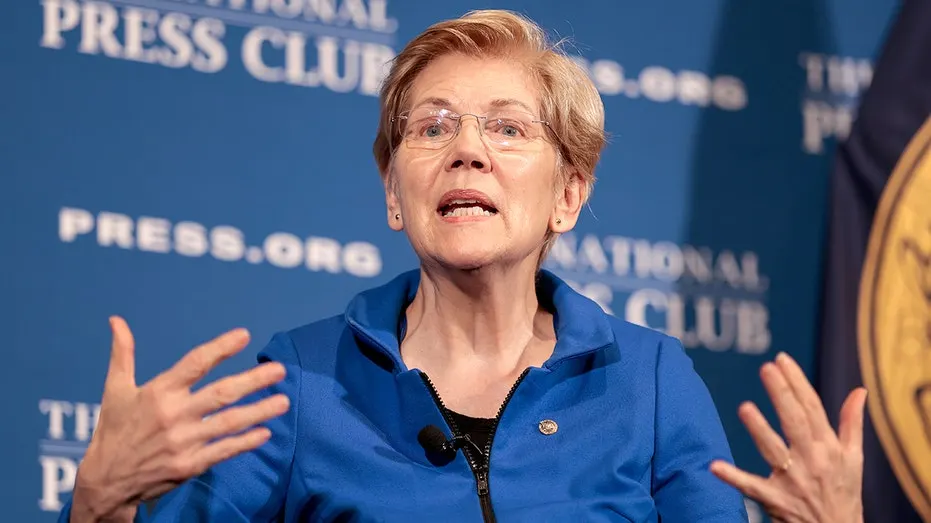
Senator Elizabeth Warren has credited a Trump administration policy with curbing stock buybacks by major US defense contractors, saying the change has redirected roughly $2 billion away from shareholder payouts. Her comments came as the Progressive senator offered rare praise for a Trump-era measure, amid a wider push to rein in defense contractor executive pay, at a time when President Trump is also pressing arms manufacturers to speed up munitions production following the war with Iran, which exposed weaknesses in US supply chains.
The report notes that Warren has separately raised concerns about potential conflicts of interest involving Deputy Defense Secretary Stephen Feinberg, tied to his former firm Cerberus Capital Management, as well as the rising costs of the conflict with Iran. Trump has been meeting with key defense contractors at the White House to push for faster missile and munitions output, with the Pentagon reportedly seeking to buy ten times more missiles to replenish depleted stockpiles and maintain readiness amid concerns over China.
In short
- Warren praises Trump policy for cutting defense buybacks by $2 billion
- Trump presses contractors to boost munitions output after Iran war
- Warren flags Feinberg's alleged conflicts of interest over Cerberus ties
Steelman: both sides, in good faith
The strongest fair case each way — we don't pick a winner.
The case for
Defence contractors are heavily dependent on taxpayer funding and serve the public interest in national security. Restricting stock buybacks and executive compensation redirects capital toward productive investment in military capacity rather than shareholder enrichment. This ensures defence industry leaders are incentivized to deliver genuine military readiness rather than gaming stock prices, representing responsible stewardship of public resources.
The case against
Shareholders own these companies and have legitimate claims to profits and returns on investment. Excessive government regulation of corporate governance and pay infringes on property rights and market efficiency; if the government is dissatisfied with contractor performance, it should negotiate better contracts or seek alternatives rather than micromanaging internal decisions. Arbitrary restrictions on compensation and capital allocation may discourage talent and competitiveness, ultimately undermining American defence capabilities.
Explained simply
US defence contractors are private companies that make weapons, equipment and supplies for the military. The federal government is a major customer, and decisions about contracts and production can affect both national security and the companies’ profits.
Stock buybacks are when a company uses money to buy its own shares, often benefiting shareholders. Executive pay, company spending and potential conflicts of interest are recurring subjects of debate because these firms receive large sums from the government.
The US relies on defence contractors to produce missiles and munitions, while keeping enough in reserve for future needs. The war with Iran has drawn attention to the limits of supply chains and stockpiles, as officials also consider the need to maintain readiness amid concerns about China.
Art Business Celebrity Companies Culture Entertainment Markets World