Projectile sinks Indian-flagged ship off Yemen coast
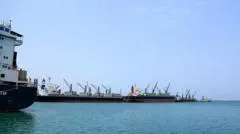
An Indian-flagged vessel, the MSV Faize Noore Oliya, sank off the coast of Yemen after being struck by a projectile, though all 14 crew members aboard were safely rescued. The incident is the latest in a series of attacks on shipping in the Red Sea, a route some tankers have used since Iran blocked the Strait of Hormuz, and highlights the growing danger to commercial vessels navigating the region.
India's Shipping Minister Sarbananda Sonowal condemned the "unprovoked attack" and pledged measures to protect seafarers, while the country's foreign ministry called the wider pattern of attacks on shipping "deeply worrisome". Of the 14 people rescued, 13 were Indian nationals. Yemen's internationally recognised government blamed Iran-backed Houthi rebels for using an explosive-laden boat, though the Houthis have not commented. The attack comes amid heightened regional tensions, with the Houthis having declared a blockade of Saudi Red Sea ports on 20 July, even as US officials suggest a deal to reopen the Strait of Hormuz with Iran could be close.
In short
- Indian-flagged ship sunk by projectile off Yemen; all 14 crew rescued
- Yemen's government blames Iran-backed Houthi rebels for the attack
- Comes amid wider Red Sea shipping attacks and Strait of Hormuz tensions
Steelman: both sides, in good faith
The strongest fair case each way — we don't pick a winner.
The case for
Commercial vessels conducting lawful international trade must be secure from attack. The assault on the MSV Faize Noore Oliya endangered innocent seafarers and disrupted a vital global route; striking merchant ships engaged in ordinary commerce cannot be justified as proportionate response to regional grievances. The Houthis' pattern of attacks warrants international condemnation and coordinated protection of maritime freedom, which underpins global trade and prosperity.
The case against
The Houthis' actions occur within a regional conflict where they perceive foreign military intervention, Saudi-led strikes, and allied support for opposing forces as profound provocations. Their maritime actions represent an asymmetric response available to them, not unprovoked aggression; they constitute political leverage against states they believe have conducted military action against Yemen. Characterising these attacks solely through disrupted commerce obscures the humanitarian crisis in Yemen and the Houthis' own articulation of defensive resistance.
Explained simply
The Red Sea is a major shipping route linking the Indian Ocean with the Suez Canal and Europe. Ships carrying fuel and other goods use it to avoid longer journeys around Africa, but conflict in the region has made passage more dangerous.
Yemen lies on the Red Sea’s southern coast. The country’s internationally recognised government is at war with the Houthi movement, an armed group that controls much of the north and is backed by Iran; the Houthis have attacked ships in the region, though responsibility for this incident has not been confirmed by them.
The Strait of Hormuz, between Iran and Oman, is another vital route for oil and other cargo. Disruption there can push ships towards alternative routes, while attacks in the Red Sea raise risks and costs for crews and companies moving goods between Asia, the Middle East and Europe.