Prosecutors drop Khalid Sheikh Mohammed confession appeal to protect 2028 trial for alleged 9/11 mastermind
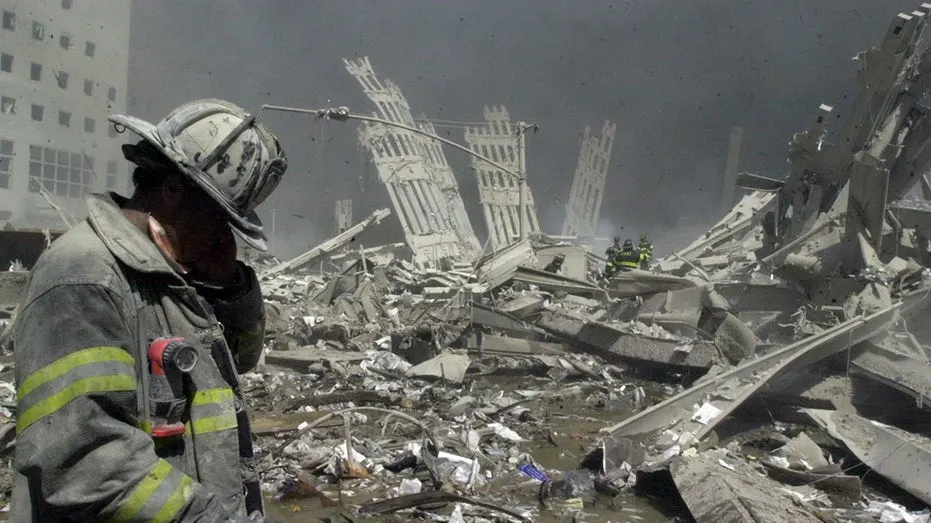
Military prosecutors have decided not to appeal a judge's ruling that threw out a 2007 confession by Khalid Sheikh Mohammed, the alleged mastermind of the 9/11 attacks, in order to protect the trial date already set for June 2028. The confession, obtained from FBI interviews at Guantanamo Bay, was suppressed by Lt. Col. Michael Schrama, who cited "severe coercion" and noted Mohammed had no access to a lawyer at the time. Prosecutors feared that pursuing an appeal, which could take years, would further delay proceedings that have already been repeatedly postponed, leaving victims' families waiting even longer for a resolution.
The decision, disclosed in a letter sent on the Friday before the 25th anniversary of the attacks that killed nearly 3,000 people, means Mohammed's FBI statements cannot be used at his trial. He and three alleged co-conspirators — Walid bin Attash, Mustafa al-Hawsawi and Ammar al-Baluchi — are due to stand trial in June 2028. The case has been mired in years of legal wrangling, including a 2024 plea deal with the Biden administration that would have spared the defendants the death penalty, which was later revoked amid public outcry. Separately, some 9/11 victims' families are pressing the Trump administration to declassify documents concerning Saudi Arabia's alleged role in the attacks.
In short
- Prosecutors won't appeal ruling suppressing KSM's 2007 confession
- Move aims to preserve June 2028 trial date
- Confession thrown out over coercion, lack of legal counsel
Steelman: both sides, in good faith
The strongest fair case each way — we don't pick a winner.
The case for
Dropping the appeal protects the June 2028 trial date and avoids another lengthy delay in a case that has already kept victims’ families waiting for decades. Prosecutors can argue that securing a timely trial and resolution matters more than pursuing statements a judge found were obtained under severe coercion and without access to a lawyer.
The case against
Abandoning the appeal means the prosecution loses potentially significant evidence and gives up a chance to challenge a ruling that could affect how the case is tried. Those who favour appealing can argue that a careful legal review is important in a capital case, where the defendants and the public have a strong interest in a rigorous and reliable process, even if that risks delaying the trial.
Explained simply
Khalid Sheikh Mohammed and three other men are facing military trial at Guantanamo Bay over their alleged roles in the 11 September 2001 attacks, which killed nearly 3,000 people. Mohammed is accused of planning the attacks; the others are Walid bin Attash, Mustafa al-Hawsawi and Ammar al-Baluchi.
The case has been delayed for years as judges consider how evidence was obtained and whether it can be used. Mohammed’s 2007 statements to FBI investigators followed earlier questioning while he was held by the CIA, and the defence argued they were tainted by coercion and made without a lawyer present. The case also involves a dispute over whether the defendants could face the death penalty, while some victims’ families are seeking the release of records about Saudi Arabia’s alleged links to the attacks.