Puerto Rico Is Rationing Water. It Could’ve Avoided It by Harvesting Rainwater
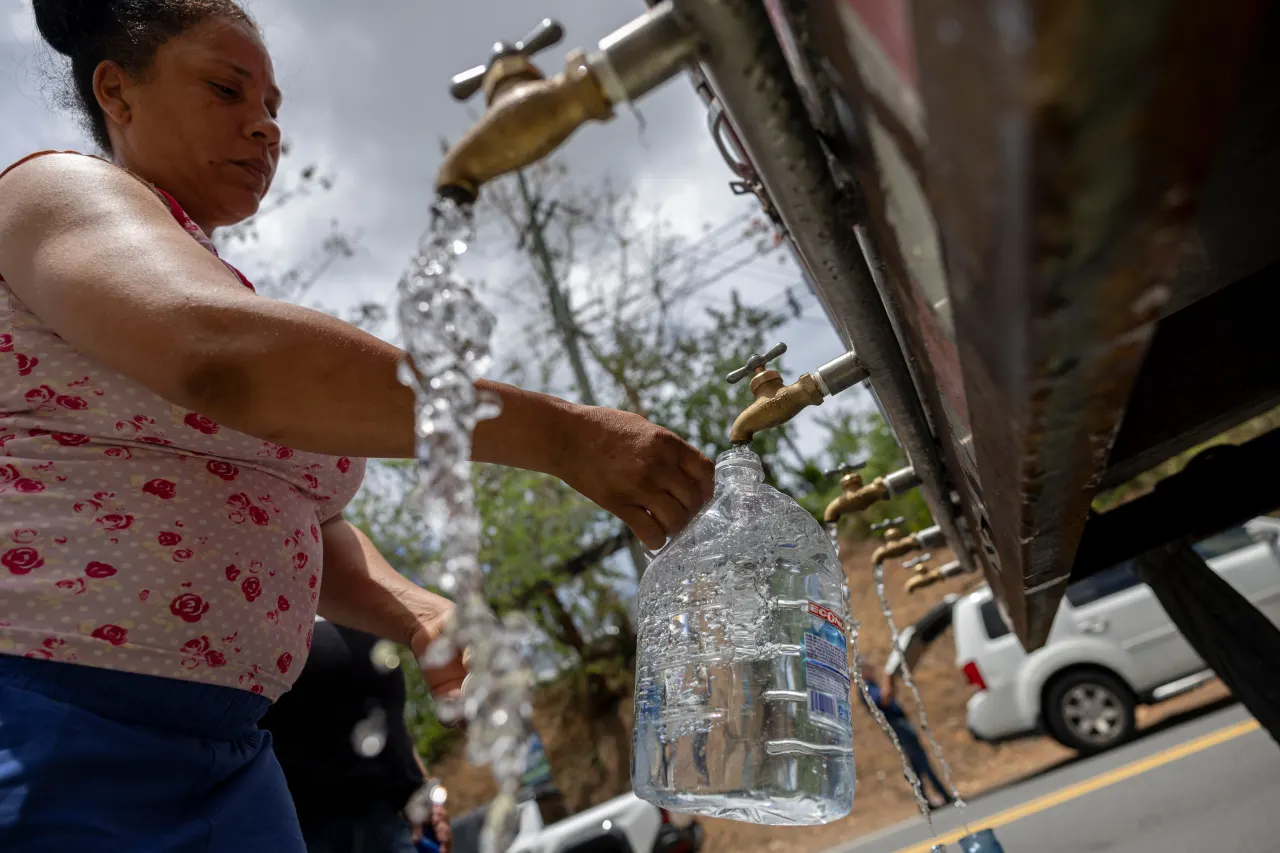
Puerto Rico is rationing water after its driest July on record, with 180,000 households in the north-east facing two-day shut-offs and many families already experiencing unreliable supplies for more than 100 days. The article argues that the crisis reflects not only drought but also poor water management and ageing infrastructure, particularly extensive leakage, while rainwater harvesting could provide a quicker, decentralised source of emergency supply.
Puerto Rico receives 30 to 169 inches of rain annually, yet it has not widely adopted rainwater collection systems or required them in building codes. Architect Fernando Abruña estimates that one million households collecting rainwater could capture 30 billion gallons a year, compared with residential use of just over 72 billion gallons; meanwhile, the water authority reportedly loses about 60% of drinking water through leaks. Other island communities, including the US Virgin Islands and Barbados, use cistern requirements or similar measures more extensively.
In short
- Drought has intensified Puerto Rico’s existing water-system failures.
- Leaking infrastructure wastes about 60% of drinking water.
- Rainwater harvesting could strengthen emergency water supplies.
Steelman: both sides, in good faith
The strongest fair case each way — we don't pick a winner.
The case for
Puerto Rico receives substantial annual rainfall, and rainwater harvesting could provide meaningful supplementary supply—one million households capturing 30 billion gallons yearly represents substantial potential. The approach is relatively quick and affordable to implement, has succeeded in other Caribbean islands, and empowers household resilience whilst reducing pressure on failing infrastructure. Waiting for full systemic repair need not preclude this practical, decentralised mitigation.
The case against
Rainwater harvesting could meet only around 40 per cent of residential water demand and requires costly retrofitting across millions of households. The real crisis stems from the water authority losing 60 per cent of supply through leaks and systemic mismanagement; presenting rainwater collection as a solution risks diverting attention and resources from essential infrastructure repair. Household-level measures cannot substitute for fixing the fundamental problems of ageing pipes and institutional failure.
Explained simply
Puerto Rico is a Caribbean island where water supplies depend on rainfall, reservoirs and a network of pipes run by the public water authority. Drought can reduce the amount available, while leaks in ageing pipes mean some treated water is lost before it reaches homes.
Rainwater harvesting means collecting and storing rain from roofs for later use. Some Caribbean neighbours, including the US Virgin Islands and Barbados, make greater use of household cisterns, but Puerto Rico has not widely required or adopted them.
The debate is about how to make water supplies more reliable as dry spells strain the system. Household storage could add a local source of water, while repairs to leaking pipes could help more treated water reach residents.