World news and discussion on TalkFuse.
Punk rock mecca just miles from dystopian Skid Row hellhole becomes ‘zero street homeless’ city
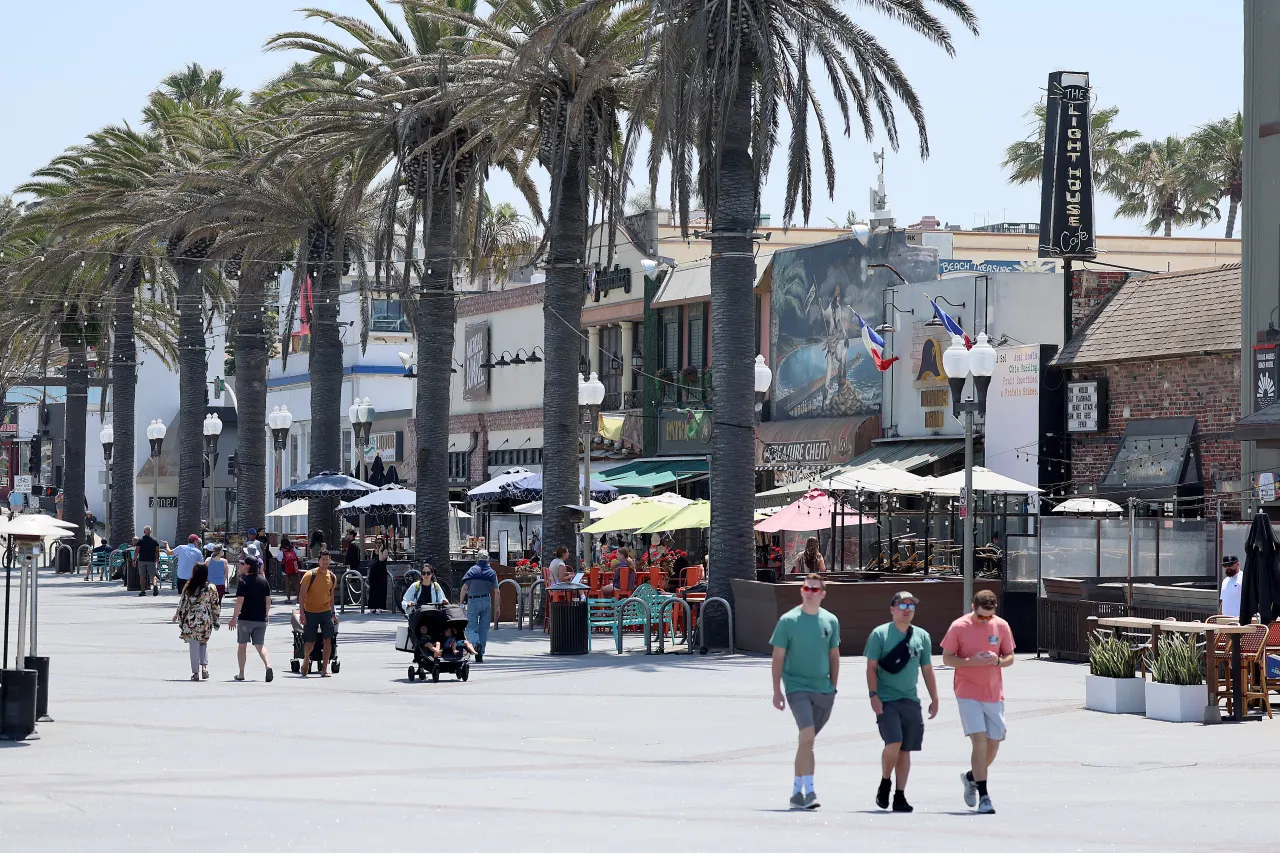
Hermosa Beach, a coastal city in California’s South Bay, has reached “Functional Zero Street Homelessness” after two years of outreach and housing efforts. The milestone means the city is moving more people into interim or permanent housing than are becoming homeless, while keeping the typical time spent on the streets below a set threshold.
The city recorded 11 active street homelessness cases, with 11 people entering housing and eight new cases between March and August 2026. Median time on the streets fell to 49 days from 189 days in the six-month period ending June 2025. Of 26 people confirmed to have exited street homelessness between January 2025 and September 2026, 10 moved into permanent housing, seven reunited with family and nine entered shelters, shared housing or care facilities.
In short
- Hermosa Beach met the regional Functional Zero homelessness benchmark.
- It had 11 active street cases and 11 housing exits from March to August 2026.
- Median time on the streets fell from 189 days to 49.
Explained simply
Hermosa Beach is a small coastal city in California’s South Bay, near Los Angeles. Its “functional zero” measure tracks whether people living on the streets are being connected to housing faster than new cases arise, and how long people typically remain without shelter.
The count can still include people sleeping outdoors: the term describes a measure of progress, not an end to homelessness. The figures reflect different routes off the streets, including permanent housing, family reunions, shelters and care facilities.
The issue matters because nearby Los Angeles has a much larger homelessness crisis, while smaller cities are also trying to respond to people without stable housing. Hermosa Beach’s approach and figures offer one example of how local efforts are assessed.