Putin has two years left to fight, says Ukraine’s top spy chief
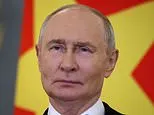
Ukraine's foreign intelligence chief, Lieutenant General Oleh Ivashchenko, has said Russia has at most two years of capacity left to continue fighting, with heavy troop losses, low morale and economic strain likely to erode Vladimir Putin's ability to sustain the war by 2028. The assessment matters because it offers a rare official Ukrainian projection of when Moscow's war effort might become unsustainable, though it also underlines that significant further bloodshed is expected before then.
Ivashchenko told The Times that Russia recruits around 1,000-1,200 soldiers daily but is suffering casualties of over 1,400 a day, roughly 60% of them fatal, a pace Ukraine estimates could add another 765,800 casualties over 18 months. He also pointed to economic pressures, including labour shortages, a growing budget deficit and banking sector problems, compounded by Ukrainian drone strikes that have reportedly disabled around 40% of Russia's oil-refining capacity. The comments came as Russian drone strikes on shopping centres in Ukrainian cities, including one in Pavlohrad that killed five and wounded 67, drew condemnation from President Volodymyr Zelensky.
In short
- Ukraine's spy chief says Russia can sustain war until roughly 2028
- Russia reportedly losing over 1,400 soldiers daily, straining recruitment
- Comments followed deadly Russian drone strike on Pavlohrad shopping mall
Steelman: both sides, in good faith
The strongest fair case each way — we don't pick a winner.
The case for
Those who find the assessment credible argue it aligns with observable trends: rising Russian casualty rates, reliance on ever-costlier incentives to attract recruits, and tangible economic strain such as a widening budget deficit and refinery damage from Ukrainian strikes. They contend that Ukraine's intelligence services have every incentive to monitor Russian capacity precisely, since their own strategy depends on accurate assessments, and that treating this projection seriously helps Western partners calibrate the scale and duration of support needed to see the war through to a sustainable end.
The case against
Sceptics caution that Ukrainian officials have an evident interest in projecting optimism, since forecasts of Russian collapse help sustain Western funding, weapons deliveries and domestic morale at a difficult stage of the war. They point out that similar predictions of imminent Russian exhaustion have circulated since 2022 without materialising, that precise casualty and capacity figures are inherently difficult for any outside party to verify, and that placing confidence in a fixed timetable risks fostering complacency or premature strategic decisions if Moscow proves more resilient than forecast.
Explained simply
The war followed Russia’s full-scale invasion of Ukraine in February 2022, after years of conflict between the two countries. Russia is led by President Vladimir Putin; Ukraine’s president, Volodymyr Zelensky, leads the country’s government and wartime response.
Both countries have suffered heavy military losses, while Ukraine has also faced attacks on its cities and infrastructure. Russia’s larger population and resources have helped it continue fighting, but the war has also put pressure on its economy, including its workforce and public finances.
How long each side can sustain the war matters for Ukraine’s security and for the wider region. Estimates of Russia’s ability to keep fighting depend on uncertain factors such as recruitment, casualties, economic conditions and outside support for Ukraine.