Putin throws Trump midterm lifeline as Russian tyrant agrees to ‘immediately supply US with 300,000 tons of diesel’
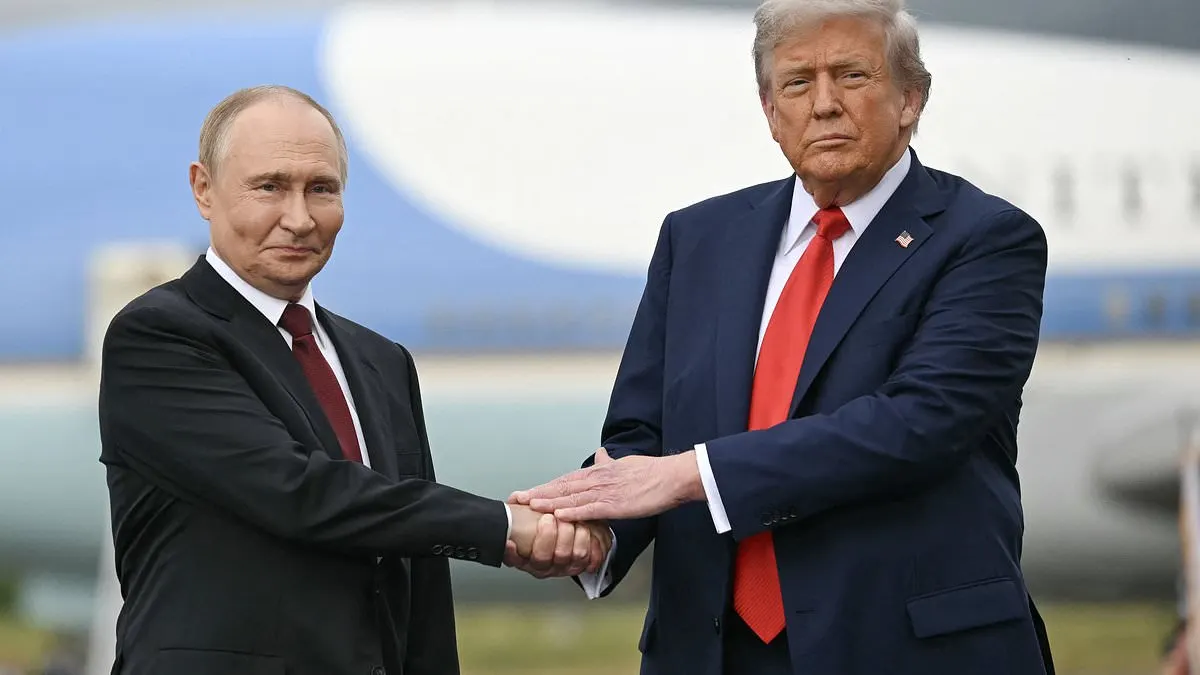
Donald Trump says Vladimir Putin has agreed to supply the United States and global markets with diesel, while Washington temporarily eases sanctions to enable shipments. The announcement comes as US fuel costs rise ahead of November’s midterm elections, but Ukraine’s president condemned the deal, arguing that allowing Russian oil sales would help fund the war.
Trump said Russia would immediately provide more than 300,000 tonnes, followed by 500,000 tonnes in November and one million tonnes thereafter, with up to three million more later. The first shipment is about 2.2 million barrels, less than two hours of global diesel demand; US diesel averaged $6.28 a gallon, up from $3.68 a year earlier. The article links the supply plan to damage from Ukrainian strikes on Russian refineries and Trump’s reported pressure on Kyiv to stop those attacks.
- Trump announced a Russian diesel supply deal and temporary sanctions relief.
- The initial shipment is small beside global demand.
- Ukraine says the deal could prolong Russia’s war.
New here? Start with this
Russia, under President Putin, invaded Ukraine in 2022, prompting the United States and other countries to impose economic sanctions on Russia to pressure it to stop the war. The sanctions restrict American purchases of Russian oil and fuel, affecting global energy supplies and prices worldwide.
Diesel prices in the United States have risen significantly over the past year, increasing costs for drivers and businesses that depend on fuel. Midterm elections in the US are scheduled for November, and fuel prices typically influence voters' assessments of the economy and the government's performance.
Ukraine is fighting the Russian invasion and has carried out military strikes on Russian oil facilities as part of its military strategy. Some observers are concerned that relaxing sanctions on Russian fuel sales could fund the war effort, whilst others believe increased fuel supply would help American consumers and stabilise global energy markets.
Both sides, in good faith
The strongest fair case each way — we don't pick a winner.
The case for
Supporters argue that elevated fuel prices significantly strain American families and global economies heading into winter and the midterm elections. They contend that accepting Russian diesel supplies with temporarily eased sanctions represents pragmatic diplomacy—difficult but necessary—to provide material economic relief to consumers, and that diversifying energy sources, however unconventional, serves legitimate national interest during constrained supply periods.
The case against
Opponents maintain that easing sanctions directly finances Russia's ongoing war in Ukraine and regional aggression, making the geopolitical cost unacceptable regardless of supply volume. They note the shipment is negligible relative to global demand, argue that pressuring Ukraine to cease strikes undermines the defensive nation's legitimate interests, and contend Russia's historical record of violating agreements renders such arrangements fundamentally unreliable.