Ukraine restarts strikes on Russian oil sites amid ceasefire dispute
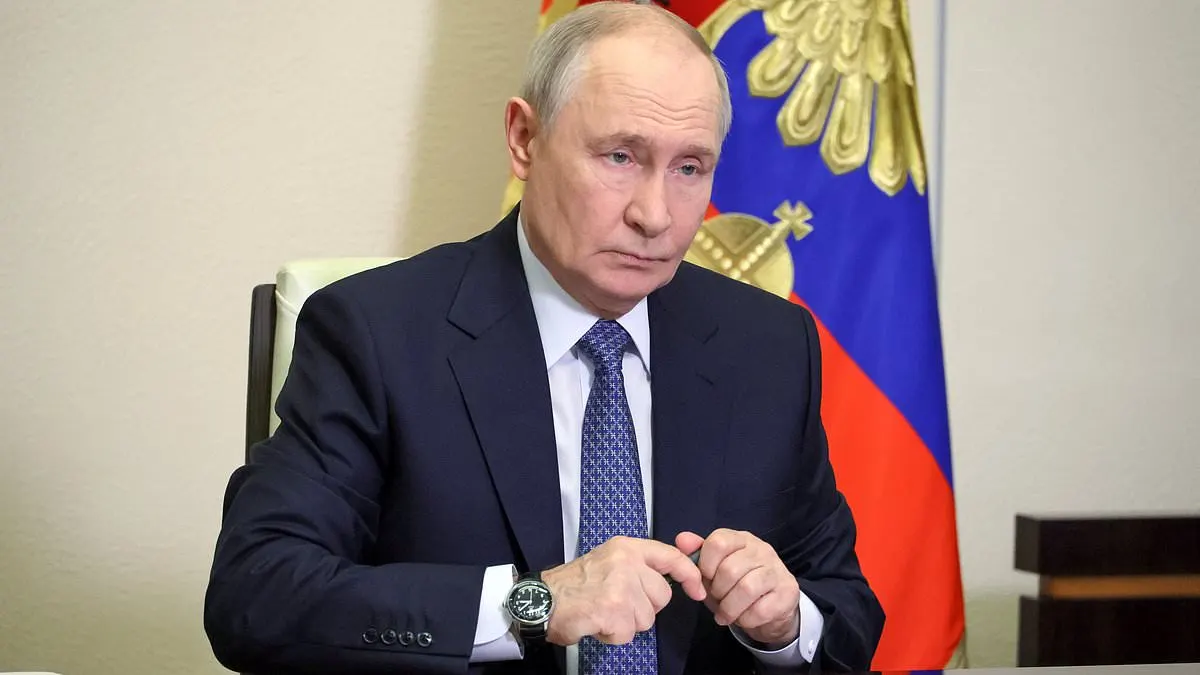
Ukraine resumed attacks on Russian oil facilities after President Volodymyr Zelensky accused Donald Trump of betraying Ukraine through a deal to buy Russian diesel. The dispute comes amid worsening US-Ukraine relations and competing claims over a ceasefire on strikes against energy infrastructure.
A Ukrainian strike on a refinery in Russia’s Ryazan region caused a large fire, though authorities reported no casualties and temporarily closed schools. Trump said Russia and Ukraine had agreed to halt energy infrastructure strikes, but Zelensky said the ceasefire was news to him; he later offered to stop attacks on Russian oil sites if Moscow stopped bombing Ukrainian energy infrastructure. Ukraine says Russia continued strikes on its gas and power facilities, while Zelensky has also raised concerns about reduced access to US missile alerts and disruption to Starlink.
- Ukraine has resumed strikes on Russian oil facilities.
- Zelensky criticised Trump’s Russian diesel deal.
- Both sides dispute whether an energy ceasefire is in effect.
New here? Start with this
Ukraine and Russia have fought a full-scale war since Russia’s invasion in 2022. Both have attacked energy facilities, including power stations, gas sites and oil refineries, which supply fuel and electricity and can support military operations.
Volodymyr Zelensky leads Ukraine, while Donald Trump is the US president and Vladimir Putin leads Russia. US support matters to Ukraine’s defence, so disagreements between Washington and Kyiv can affect the help Ukraine receives.
Ceasefires are agreements to pause fighting, but the two sides may dispute what was agreed or whether it is being followed. Attacks on energy sites also affect civilians by disrupting heating, electricity and fuel supplies.
Both sides, in good faith
The strongest fair case each way — we don't pick a winner.
The case for
Ukraine can argue that strikes on Russian oil facilities are a way to impose costs on Moscow’s war effort and press for reciprocal restraint, especially if Russian attacks on Ukrainian energy infrastructure continue. Zelensky’s offer to halt those strikes if Russia stops bombing Ukrainian energy sites presents the policy as conditional self-defence and a route towards a mutual ceasefire.
The case against
Critics can argue that renewed attacks on oil facilities risk escalating the conflict and harming civilians through fires, disruption and possible wider effects on energy supplies. They may also see unilateral strikes as undermining efforts to secure a ceasefire, and favour suspending them while the parties clarify the terms and pursue reciprocal restraint.
Americas Europe Government Politics World
Read the full article at the source →
Originally published by Daily Mail as “Putin vows revenge after Zelensky resumes attacks on refineries following fury over Trump’s ‘betrayal’ – as Ukraine ‘runs out of Patriot interceptors’”.