Putin warns Russians they must be ‘prepared for anything’ as he hints at escalation of his war
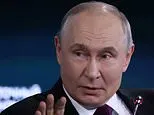
President Vladimir Putin has warned Russians they must be "prepared for anything," hinting at a further escalation of the war in Ukraine, as he addressed the Eastern Economic Forum in Vladivostok. Speaking after nearly four years of conflict, he offered no prospect of an imminent end to the war, ruled out peace talks, and accused Ukrainian President Volodymyr Zelensky of "state terrorism," insisting Moscow does not "negotiate with terrorists."
Putin's comments came amid a difficult summer for Russia, with nightly Ukrainian drone strikes hitting oil refineries and retail warehouses, causing fuel queues, while Russian forces have retaliated by targeting Ukrainian food depots and civilians. Russia's Defence Ministry said over 43,000 Ukrainian drones were intercepted between June and August, and Zelensky's government believes Moscow is preparing another mobilisation following this month's legislative elections, a claim Putin dismissed as an "information attack." The warning follows separate accusations from Germany, which blamed Russia for a drone attack on Leipzig/Halle Airport and sabotage incidents at energy infrastructure, and comes days after Putin renewed threats against Britain over its supply of missile blueprints to Ukraine.
In short
- Putin tells Russians to be "prepared for anything" amid war
- He ruled out peace talks, accused Zelensky of "state terrorism"
- Comes amid Ukrainian drone strikes and rising Russia-Germany tensions
Steelman: both sides, in good faith
The strongest fair case each way — we don't pick a winner.
The case for
Supporters of a tougher Russian stance could argue that, with Ukrainian strikes damaging infrastructure and Russia facing what it describes as external threats, the government has a duty to prepare the public and maintain pressure rather than signal weakness. They might say refusing talks while labelling attacks on civilians terrorism reflects a belief that negotiations cannot succeed without security guarantees and a change in Ukraine’s conduct.
The case against
Critics could argue that warning people to expect further escalation while ruling out talks risks prolonging a war that has already brought heavy harm to civilians and disruption to both countries. They may see the refusal to negotiate as closing off a route to reduce violence, and the rhetoric as making compromise harder while Russia’s own attacks and alleged sabotage deepen international tensions.
Explained simply
Russia’s full-scale invasion of Ukraine began in February 2022, after years of conflict between the two countries. Vladimir Putin leads Russia, while Volodymyr Zelensky is Ukraine’s president; both governments shape military decisions and any possible negotiations.
The war has involved attacks on military and civilian sites, including strikes by drones. Russia and Ukraine each accuse the other of causing harm, and Russia has faced claims from European countries over incidents affecting infrastructure. The conflict matters beyond the battlefield because it affects civilians, energy supplies and relations between Russia and other countries.
Europe Government Politics World