Putin’s undersea threat to Britain: UK is ‘woefully’ short of ways to stop cable attacks that could spark chaos, experts warn after Moscow’s ‘secret weapon’ sabotage plot is foiled
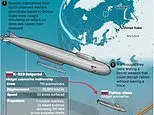
Security experts have warned that Britain lacks sufficient military capability to protect undersea cables in its waters from potential Russian attack, following a foiled attempt by Moscow to test a covert sabotage technology. The incident, involving submersibles from Russia's GUGI undersea warfare directorate, was intercepted by a joint UK, Norwegian and US operation that tracked and confronted the vessels before they withdrew. The episode has intensified concerns that Russia is escalating a "shadow war" against Europe, with critical infrastructure increasingly seen as a target.
Journalist and security expert Philip Ingram said the UK is "woefully short" of the power needed to stop a determined Russian attack, despite Moscow retaining what he called its most professional military capability in its submarine fleet. Chatham House associate fellow Keir Giles warned that subsea cable interference is just one option among many available to Russia, citing a pattern of assassinations, Novichok and Polonium-210 poisonings, suspected sabotage, and unexplained drone activity over military sites across the UK, Ireland, Germany, Denmark and Sweden. Both experts called for a tougher Western response, including greater sanctions and support for Ukraine, warning that without a change in approach civilian casualties from such incidents are "more or less inevitable".
In short
- UK "woefully" lacks capability to protect undersea cables from Russia
- Nato allies foiled a Russian submersible cable-sabotage exercise
- Experts warn Russia's "shadow war" against Europe is escalating
Steelman: both sides, in good faith
The strongest fair case each way — we don't pick a winner.
The case for
Undersea cables carry communications and other services on which Britain depends, so a determined attack could cause serious disruption. The reported operation shows that detecting and confronting covert activity requires sustained capability and cooperation; investing in patrols, surveillance and deterrence could reduce the risk and reassure the public and allies.
The case against
The incident was intercepted without reported damage, and the account does not establish that Britain could not respond effectively to an actual attack. Expanding military protection and imposing tougher sanctions carry costs and could heighten tensions, while cables are difficult to guard comprehensively; a proportionate approach could prioritise resilience, repairs and intelligence sharing alongside existing deterrence.
Explained simply
Undersea cables carry much of the data and communications that connect Britain to other countries. Damage to them could disrupt internet and other services, although the effects would depend on which cables were affected and how quickly they could be repaired.
Russia’s GUGI is a military directorate focused on undersea operations, including the use of specialised vessels and submersibles. Britain and its allies monitor activity in the surrounding waters, while security experts have raised questions about how well the UK could protect cables from deliberate interference.
The concern is part of a wider debate about the security of infrastructure that is vital to daily life. Governments must weigh how to deter and investigate possible attacks while maintaining reliable services and avoiding unnecessary escalation.