Business news and discussion on TalkFuse.
Putting skills at the centre of workforce decisions
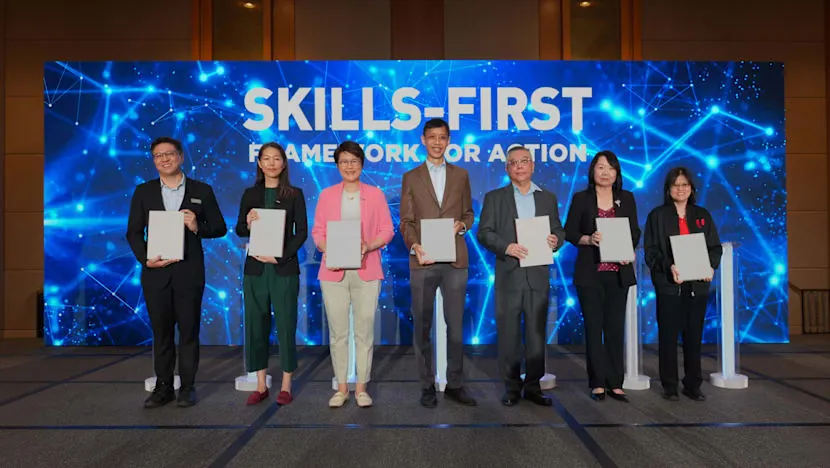
Singapore has launched the Skills-First Framework for Action to help employers and workers make workforce decisions based more on demonstrated abilities, alongside qualifications and experience. The framework matters as artificial intelligence, automation and changing business models alter jobs and the skills they require, and aims to turn Singapore’s lifelong learning efforts into practical career and workplace changes.
The Centre for Skills-First Practices launched the framework on 19 October, proposing 12 pilot ideas across three shifts: making skills-first decisions routine, building them into workplace systems and developing the expertise to sustain them. Examples include regular career reviews, a pathway to help companies redesign work, training managers to assess skills, improved labour-market information and an observatory to track adoption. HSC Pipeline Engineering illustrates the approach: Nelson Lai developed technical skills without a traditional engineering background, leading the company to create a hybrid project coordinator-engineer role for him.
In short
- Singapore has launched a framework to put demonstrated skills at the centre of workforce decisions.
- It proposes 12 pilot ideas, including career reviews and skills-based job redesign.
- HSC created a hybrid engineering role after Nelson Lai developed relevant technical skills.
Steelman: both sides, in good faith
The strongest fair case each way — we don't pick a winner.
The case for
A skills-first approach could help employers recognise what people can actually do, including abilities gained through work or training outside traditional qualifications. As technology changes job requirements, regular skills reviews and clearer development pathways may help workers adapt and allow firms to fill roles more effectively.
The case against
Qualifications and experience can provide useful, consistent signals of knowledge and competence, while assessing skills directly may be difficult to do fairly across applicants and employers. Making the approach routine could add administrative burdens or lead to inconsistent judgements, so changes should be tested carefully and should not undervalue established credentials.