Health news and discussion on TalkFuse.
Quaaludes Might Be Back. The Iron Law of Prohibition Never Left.
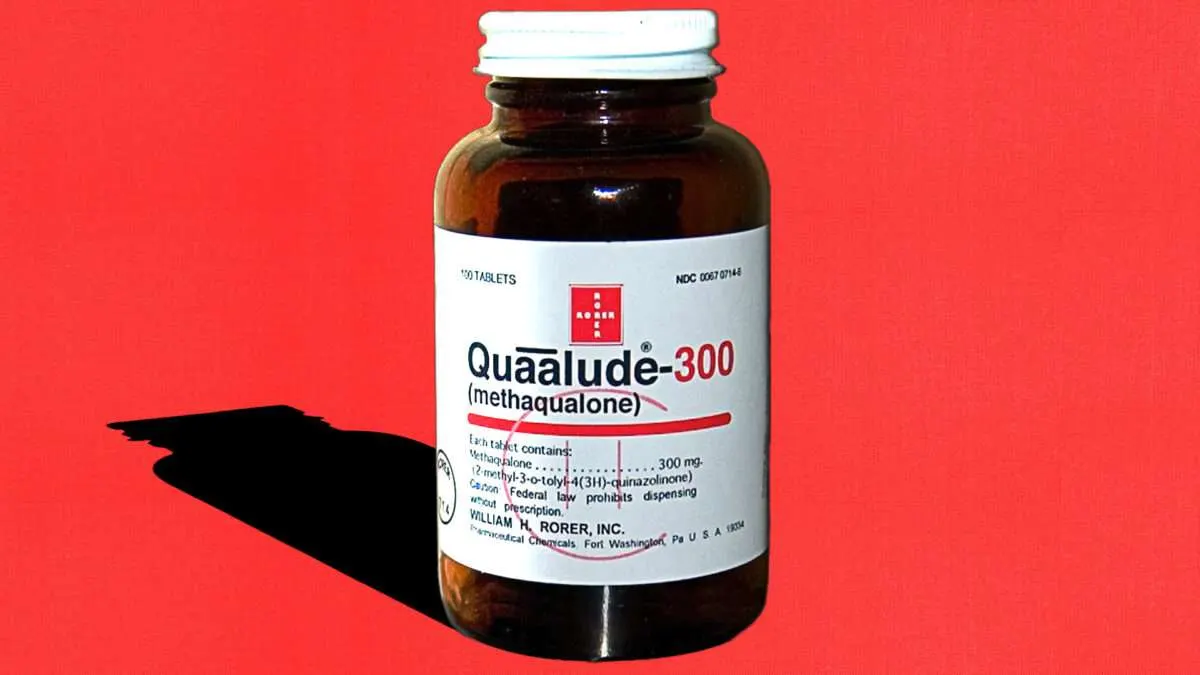
Reports suggest methaqualone, sold as Quaalude, may be returning in limited use in the United States, decades after it disappeared from the market. The article argues that its history shows how prohibition can suppress a medicine without eliminating demand, while potentially shifting supply into illicit channels.
Methaqualone was marketed from the 1960s as a sleeping pill and became popular recreationally for its relaxing and euphoric effects. Misuse, dependence and overdose concerns led to tighter controls: production quotas fell from 58 million tablets in 1978 to 7.5 million in 1983, and the last US manufacturer stopped production that year. Congress moved it to Schedule I in 1984, despite federal officials recognising medical uses; the supplied article text ends while discussing a court’s later observation about that contradiction.
In short
- Reports indicate Quaalude use may be returning on a limited scale.
- US production ended in 1983 as controls tightened.
- Congress placed methaqualone in Schedule I in 1984.
Steelman: both sides, in good faith
The strongest fair case each way — we don't pick a winner.
The case for
The case for strict prohibition is that methaqualone’s relaxing effects made it attractive for recreational use, while misuse, dependence and overdose raised serious risks. Tight controls and the end of legal production could therefore be defended as measures to reduce harm and prevent a medicine with a troubling safety record from being widely available.
The case against
The case against prohibition is that removing legal supply does not necessarily remove demand; it may instead push use into illicit markets, where products and risks are harder to monitor. Methaqualone also had recognised medical uses, so placing it in the most restrictive category could be seen as sacrificing access to treatment without resolving the underlying demand.