Politics news and discussion on TalkFuse.
Quacks Vote To Approve Duck Bills in D.C. and Denver
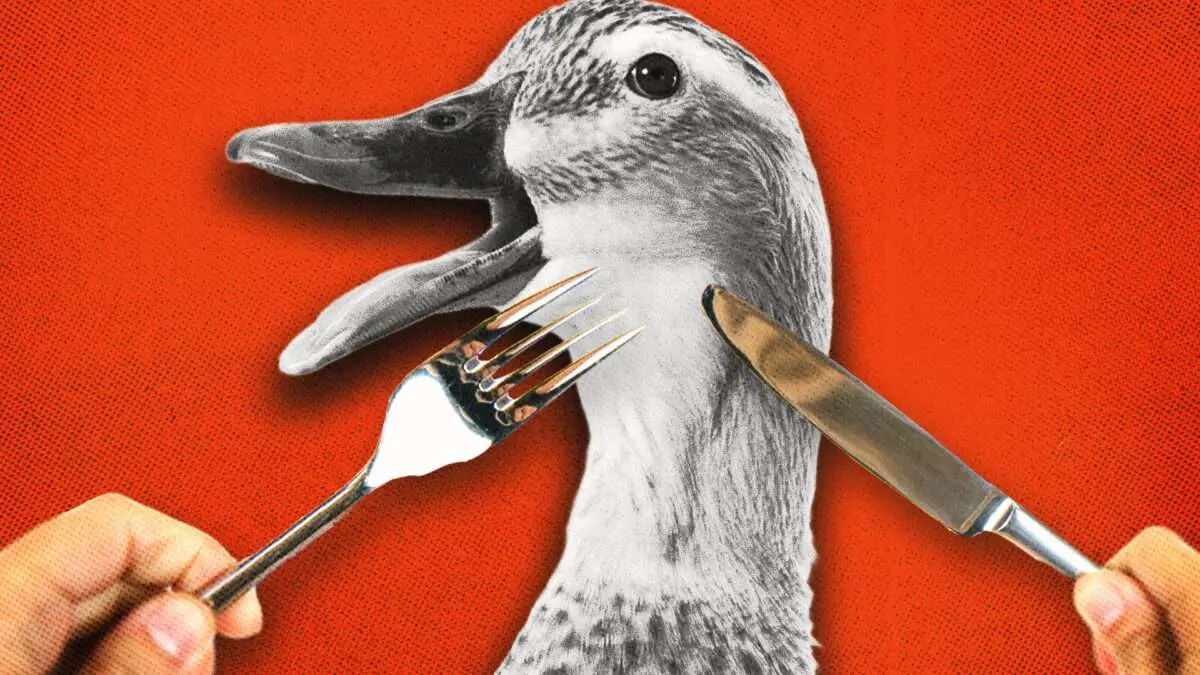
Voters in Washington, D.C., and Denver approved measures banning the sale and production of foie gras, a dish made from the livers of ducks and geese. The votes mark a win for animal welfare campaigners, though the article argues their case relied on misleading claims about how the birds are fed and on appeals to resentment of wealthy diners.
The measures, Initiative 86 in D.C. and Ordinance 311 in Denver, were backed by Pro-Animal Future, which spent about $400,000 on the D.C. campaign. Foie gras production involves feeding birds over roughly 12 to 15 days; the article cites research disputing claims that the process causes pain or liver damage. D.C. estimates enforcement will cost $314,000 over four fiscal years and require an extra inspector, while Denver has estimated no fiscal impact. Both bans are due to take effect on 1 July next year, but legal challenges could delay them.
In short
- D.C. and Denver voters approved foie gras bans.
- D.C. estimates enforcement will cost $314,000 over four years.
- Legal challenges could delay the bans’ planned start next July.
Steelman: both sides, in good faith
The strongest fair case each way — we don't pick a winner.
The case for
Supporters argue that foie gras production deliberately enlarges birds’ livers through repeated feeding, raising serious animal-welfare concerns even if the degree of pain or lasting harm remains disputed. They see a sales ban as a reasonable way for voters to prevent a practice they consider inhumane, and believe public policy need not wait for complete scientific certainty where animals bear the potential cost.
The case against
Opponents argue that the case for a ban has overstated what is known about feeding methods and harm, while research cited in the article challenges claims of pain or liver damage. They contend that restricting a food product on contested evidence is disproportionate, particularly when enforcement carries public costs, and that policy should not be driven by hostility towards affluent consumers.
Explained simply
Foie gras is a food made from the enlarged livers of ducks or geese. It is produced by feeding the birds more food than they would normally eat over a short period, a practice that animal welfare campaigners say harms them; producers and some researchers dispute claims about the effects.
Pro-Animal Future campaigned for the two measures. The votes have brought the debate over animal welfare, food production and local regulation to Washington, D.C., and Denver, where the bans are due to take effect next July, although legal challenges could delay them.