World news and discussion on TalkFuse.
Quarry owner left with £3million bill after rogue recycling firm dumped 50ft mountains of waste on his land
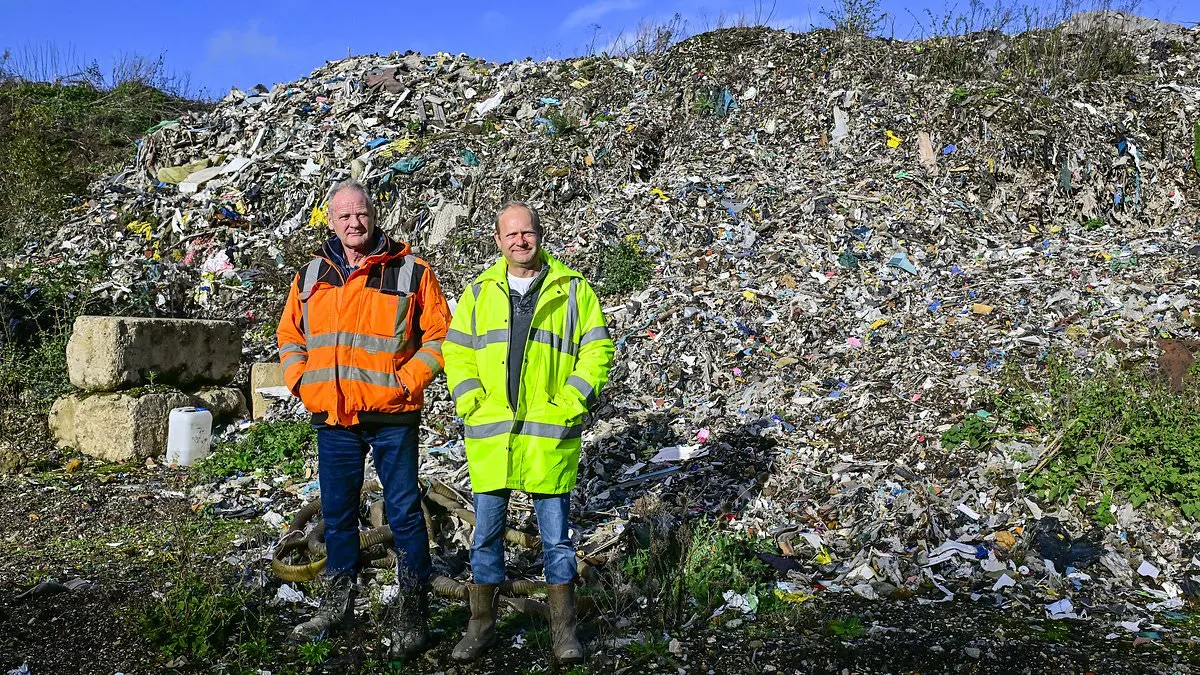
Quarry owner Paul Wilkes faces an estimated £3 million bill to clear 28,500 tonnes of waste left on his family firm’s land by Hillier Recycling. The case raises questions about how the Environment Agency handled repeated reports of permit breaches, while the agency has ordered Wilkes to clear the site or face prosecution.
Wilkes leased the disused quarry near Corfe Mullen, Dorset, for inert waste, but says Hillier began dumping household rubbish about a year later. The company continued operating until September 2022, despite more than 20 agency visits between 2015 and 2022; it later went into liquidation. The waste included plastics, electrical items and potentially hazardous petroleum hydrocarbons, and an environmental consultant said the permits should have been suspended earlier. Three men pleaded guilty to offences connected with the site and are due to be sentenced.
In short
- Hillier Recycling left 28,500 tonnes of waste at a Dorset quarry.
- The owner estimates clearance will cost £3 million.
- The Environment Agency faces criticism over its handling of permit breaches.
Steelman: both sides, in good faith
The strongest fair case each way — we don't pick a winner.
The case for
The Environment Agency can argue that the legal duty to clear waste rests with the landowner, and that requiring Wilkes to act is necessary to address potential hazards and prevent further environmental harm. It may also say that site visits and enforcement must follow evidence and due process, while the guilty pleas show that criminal accountability is being pursued.
The case against
Wilkes and his supporters can argue that he leased the quarry for permitted inert waste and should not bear a £3 million clean-up cost after a recycling firm allegedly dumped household and potentially hazardous waste there. Repeated reports and more than 20 agency visits over several years raise a serious question about whether stronger action could have stopped the dumping sooner and limited the damage.
Explained simply
A disused quarry can be used to store or process waste, but operators need environmental permits that set out what materials they may accept and how they must handle them. Inert waste, such as soil or rubble, is less likely to break down or cause pollution than mixed household rubbish, which can contain plastics, electrical goods and hazardous substances.
Paul Wilkes leased the Dorset quarry to Hillier Recycling for inert waste. The Environment Agency regulates permitted waste sites and can inspect them and take enforcement action; Hillier continued operating until 2022 and later went into liquidation. Three men have admitted offences connected with the site.
The waste remains on land belonging to Wilkes’s family business, and the agency has ordered him to clear it. The estimated cost is £3 million, raising questions about how responsibility for clean-up is handled when a waste operator goes out of business, and how regulators respond to repeated reports of permit breaches.