Queen guitarist Brian May pours cold water on prospect of band doing Abba Voyage-style virtual show because it would require AI driven by the ‘massive evil’ of data centres
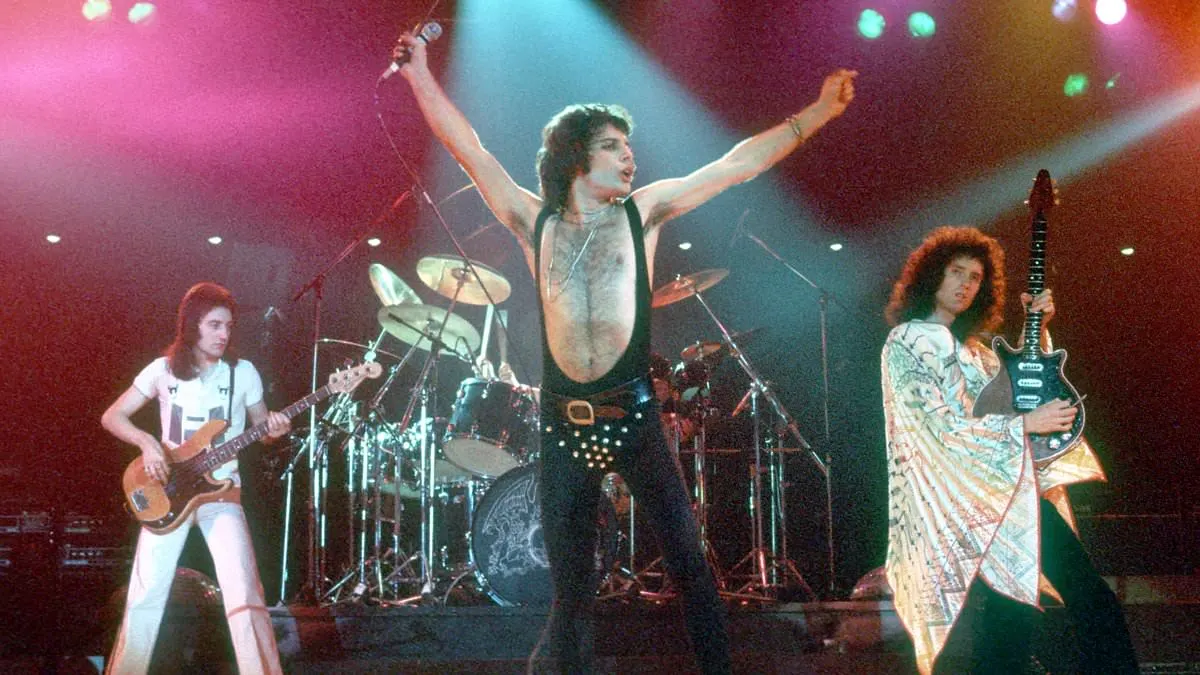
Sir Brian May has ruled out Queen performing as a virtual show similar to ABBA Voyage due to concerns about AI technology and data centres. The 79-year-old guitarist and his bandmate Roger Taylor had considered creating a digital recreation of the original Queen line-up with a virtual Freddie Mercury to let fans experience the band at their peak, but May has now withdrawn from the idea.
May told Absolute Radio that data centres represent a "massive evil" and expressed alarm at their environmental impact, noting that cooling facilities require 50 to 150 million litres of water annually. The band had explored the concept after seeing the Eagles' Sphere show in Las Vegas, but May's ethical reservations about AI and resource consumption mean the project is unlikely to proceed.
- Brian May rejects virtual Queen show over AI environmental and ethical concerns.
- The project would have mimicked ABBA Voyage's successful digital avatar concerts.
- Data centres require enormous water usage and cause significant societal harm.
New here? Start with this
ABBA Voyage is a digital concert experience in London that uses technology to create lifelike performances. Other major artists have explored similar virtual shows, including the Eagles' Sphere in Las Vegas. These experiences appeal to artists because they allow performances without touring physically, whilst giving fans a chance to experience musicians as they were at their creative peak.
Queen had been considering creating a comparable virtual show featuring digital recreations of the band's classic line-up, including the late frontman Freddie Mercury. Guitarist Sir Brian May and bandmate Roger Taylor had explored the concept seriously, inspired by the success of projects like ABBA Voyage and the Eagles' Sphere. Such a show would require advanced artificial intelligence technology to create the lifelike performances.
However, May has decided against the idea due to environmental concerns. Data centres that power AI systems require enormous quantities of water for cooling, consuming between 50 and 150 million litres per year. May views the ecological impact as ethically unacceptable and has withdrawn his support for Queen's virtual show project.
Both sides, in good faith
The strongest fair case each way — we don't pick a winner.
The case for
A virtual show could offer meaningful cultural value by allowing new generations to experience Queen at their creative peak and honouring Freddie Mercury's legacy through innovation, following audience demand demonstrated by similar projects' success. Whilst data centre consumption is real, the environmental impact must be weighed against the broader benefits of technological advancement, and a single entertainment project's footprint, though notable, represents a fraction of global resource use compared to essential industries; renewable energy solutions and offsetting could substantially mitigate environmental cost.
The case against
Data centres genuinely consume vast resources—millions of litres of water annually alongside significant energy usage—and allocating these to non-essential entertainment raises serious ethical questions about resource prioritisation when archival footage and live recordings already provide access to the band's artistry. Creating artificial reconstructions of deceased performers through AI technology establishes concerning precedents and normalises using intensive resources for applications of debatable necessity, particularly when such reservations reflect broader legitimate concerns about ensuring technological development serves genuine human needs rather than entertainment convenience.