World news and discussion on TalkFuse.
Quelle surprise! Burnham reveals Brexit surrender deal is just the start of his bid to cosy up to the EU – as Nandy is accused of trying to hijack Remembrance Day
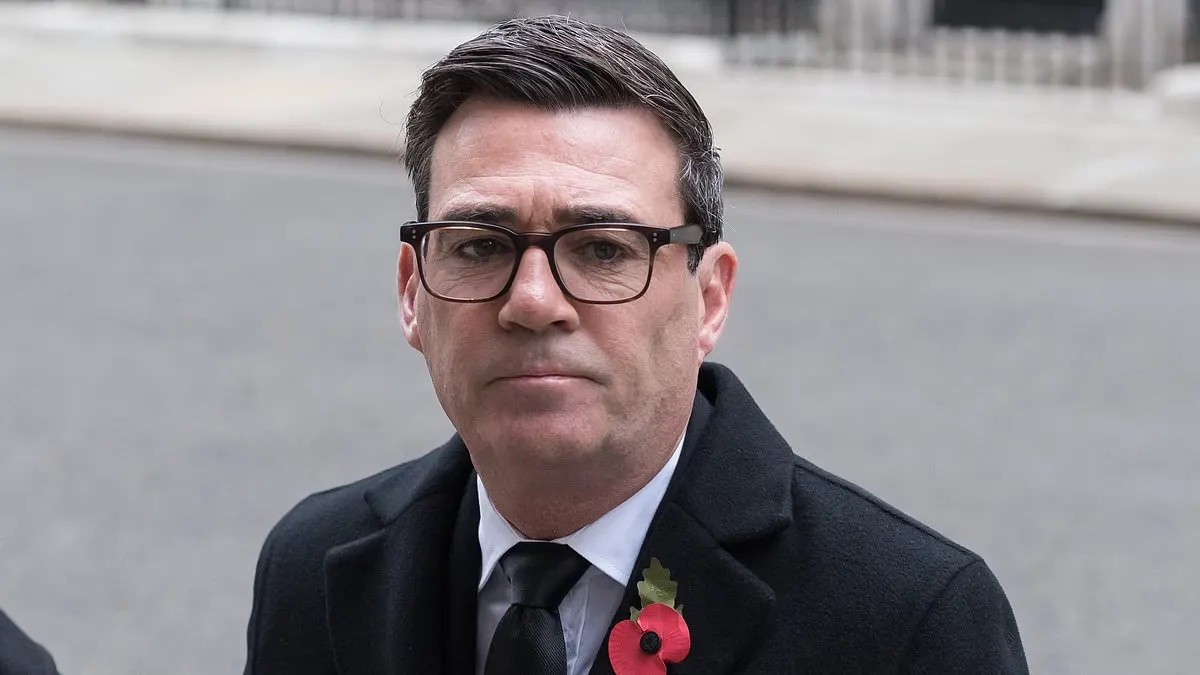
Prime Minister Andy Burnham said a forthcoming EU deal should be the start of closer relations with Europe, prompting criticism from Brexit supporters who said he had no mandate to pursue that course. The row also widened after Culture Secretary Lisa Nandy was accused of linking Remembrance Sunday to the Brexit reset; she denied making a political point.
The deal, due to be unveiled at a summit on 20 November, is intended to reduce red tape on food trade and ease pressure on supermarket prices. Burnham also cited potential benefits for growth, security and tackling illegal migration, while acknowledging closer ties would involve trade-offs. Former EU negotiator Michel Barnier said the UK could not choose only some EU freedoms and would have to accept free movement for closer ties.
In short
- Burnham says the EU deal could lead to closer ties.
- Critics say he lacks a mandate to pursue that ambition.
- Barnier says closer ties would require accepting free movement.
Steelman: both sides, in good faith
The strongest fair case each way — we don't pick a winner.
The case for
Supporters of closer UK-EU ties can argue that reducing food-trade barriers may ease costs and that cooperation could also help with growth, security and migration. They may see the forthcoming deal as a practical first step, with any further alignment judged on its benefits and trade-offs.
The case against
Critics can argue that a deal intended to deepen relations risks widening into a broader shift towards EU rules and obligations, including free movement, without a clear public mandate. They may also question whether the expected economic and security gains justify those trade-offs, and object to invoking Remembrance Sunday in political debate, though Nandy denies doing so.
Explained simply
Brexit is the UK’s departure from the European Union, completed in 2020. Since then, the UK and EU have negotiated how to manage trade and other shared issues. The EU’s single market has common rules for goods and services, while free movement allows people to live and work across member countries.
Andy Burnham is the UK prime minister, and Lisa Nandy is the culture secretary. Michel Barnier was the EU’s chief negotiator during the Brexit talks. The proposed deal concerns practical cooperation, including food trade; debate about closer ties also raises questions about the trade-offs the UK might face and who should decide them.
Remembrance Sunday is a national day of remembrance for people who have died in conflicts, marked by ceremonies including a service at the Cenotaph in London. Its place in the argument has drawn attention to how political debate can intersect with public commemorations.
Europe Government Politics UK World