QUENTIN LETTS: Dame Emily, dazzlingly dimpled, gurgled that ‘Germany is and always has been a key ally’. Eh?
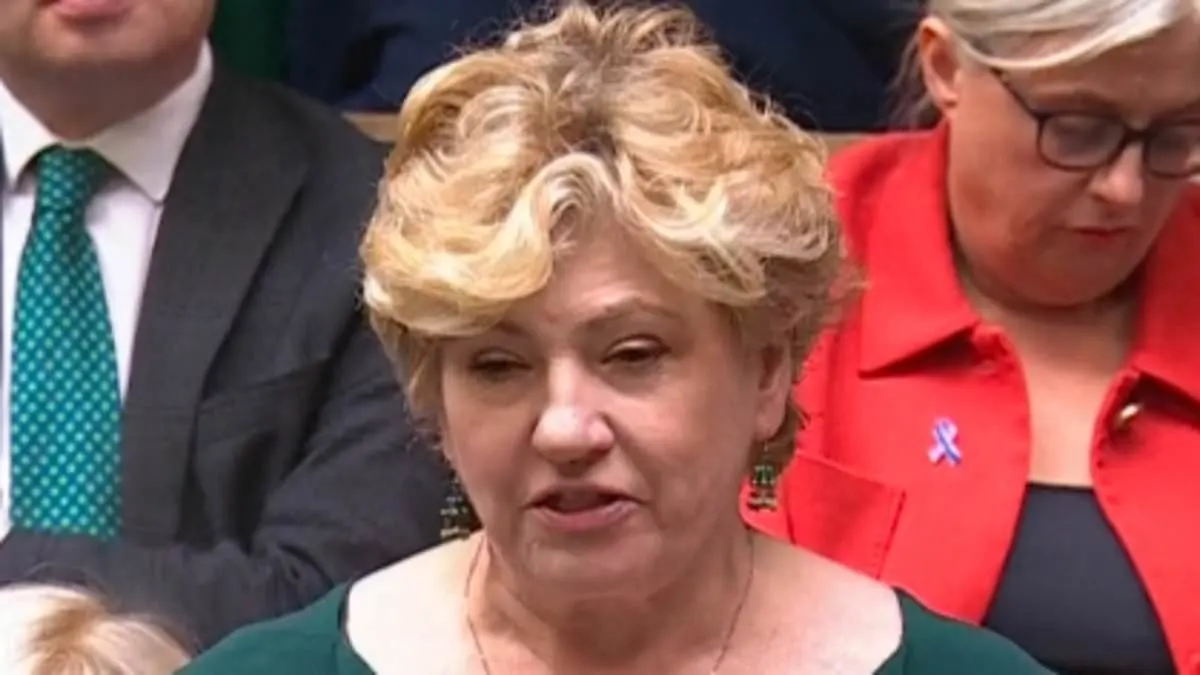
Seven German politicians joined a meeting of the Commons Foreign Affairs Committee under arrangements in the Kensington Treaty, prompting columnist Quentin Letts to question whether the visit gave unelected foreign politicians an inappropriate place in Parliament. The delegation was led by Armin Laschet, a senior German politician, and met six British MPs; committee chair Emily Thornberry welcomed the gathering as historic.
The discussion touched on Brexit, defence and relations between Britain and Germany, with the visitors expressing sharply different views. One Alternative for Germany politician praised Brexit and argued Germany should leave the EU, while other delegates regretted Brexit or called for closer alignment with EU rules. Letts’s account is an opinion piece, and its descriptions and judgements reflect his critical perspective.
- Seven German politicians attended a Commons committee meeting under the Kensington Treaty.
- Delegates disagreed over Brexit, EU ties and defence.
- Quentin Letts criticised their role in the parliamentary hearing.
New here? Start with this
The Kensington Treaty is an agreement between Britain and Germany intended to strengthen their relationship, including through political and parliamentary contact. The Commons Foreign Affairs Committee is made up of MPs who examine the UK’s foreign policy and question ministers.
Armin Laschet led the German delegation, which included politicians from different parties, while Labour MP Emily Thornberry chaired the committee. Their discussion covered Brexit, defence and ties between the two countries; the delegates held differing views on Britain’s departure from the EU and on how closely Germany should follow EU rules.
The meeting matters because it raises questions about how international cooperation works in Parliament and how elected representatives engage with politicians from abroad. The headline comes from a critical opinion column, so its characterisations reflect the writer’s view.
Both sides, in good faith
The strongest fair case each way — we don't pick a winner.
The case for
The Kensington Treaty provides a formal basis for British and German parliamentarians to meet, and such exchanges can strengthen understanding on shared concerns including defence, security and trade. Welcoming elected German representatives into a committee discussion may help MPs hear differing perspectives directly and build relationships with a key ally.
The case against
Even when a visit is formally arranged, critics may question whether foreign politicians should take part in a Commons committee meeting, where parliamentary access and accountability carry particular importance. They may also argue that the meeting risks signalling support for closer alignment with EU rules or giving a platform to views that British voters did not choose to represent them.