World news and discussion on TalkFuse.
QUENTIN LETTS: Into the dentist’s chair we go, the drill going WHEEEE as PM restarts the Brexit civil war
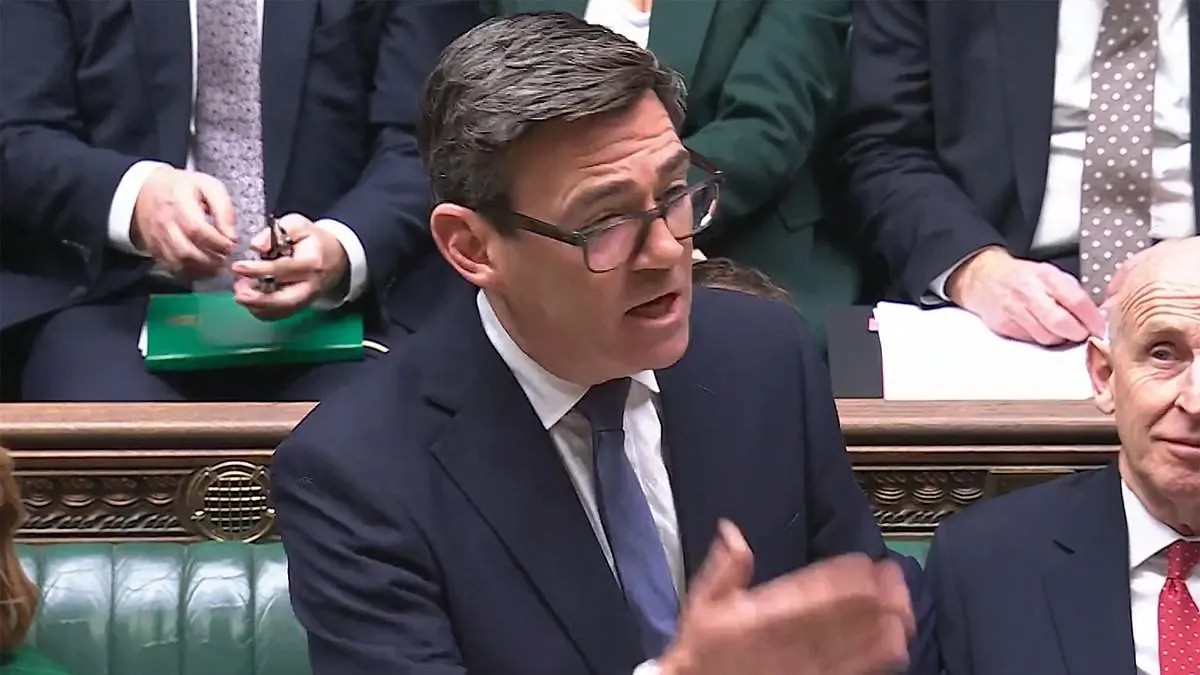
Andy Burnham used a Commons debate on the Government’s proposed EU deal to argue for closer ties with Europe, prompting renewed disagreement over Brexit. The article presents this as a politically motivated revival of a divisive debate, while questioning whether the proposed concessions are justified.
Burnham criticised Conservative divisions over Europe and said accepting EU rules could help the economy, while also noting that Britain was growing faster than other G7 economies. He said rejoining the EU would require a referendum but that he was not preparing to rerun the vote. Labour MP Graham Stringer accused him of breaking a promise not to reopen the debate and warned it could weaken trust in Parliament; the article also describes Rachel Reeves returning to the Commons after leaving high office.
In short
- Andy Burnham argued for closer ties with the EU in the Commons.
- His comments revived divisions over Brexit within Labour and Parliament.
- Critics questioned the proposed concessions and the case for reopening debate.
Steelman: both sides, in good faith
The strongest fair case each way — we don't pick a winner.
The case for
Closer ties with the EU could reduce trade friction and support economic growth, so considering shared rules may be worthwhile even if rejoining is not proposed. Burnham’s argument is that discussing practical cooperation need not mean repeating the referendum, and that Parliament should be able to assess whether the benefits justify concessions.
The case against
Reopening arguments over Europe risks reviving a divisive debate and weakening public trust, particularly if voters believe politicians are revisiting a settled decision. Critics can argue that adopting EU rules may limit Britain’s freedom to set its own policies, and that any significant change should be made transparently with a clear public mandate.
Explained simply
Brexit is the name given to the UK’s departure from the European Union, which was confirmed in a 2016 referendum and completed in 2020. Since then, politicians have disagreed over how closely Britain should work with the EU and whether closer ties would help trade and the wider economy.
Andy Burnham is the Labour mayor of Greater Manchester and a former MP; Graham Stringer is a Labour MP. Their disagreement reflects a wider question for Labour: how to discuss the effects of Brexit without appearing to reopen the referendum decision, which remains a politically sensitive issue.
The Government’s proposed EU deal would shape practical ties between Britain and the bloc. The debate matters because changes to those ties can affect businesses and the economy, while arguments about Brexit can also influence public trust and divisions within political parties.