Badenoch calls for 3% defence budget to counter Russian threat
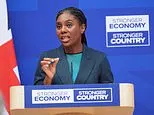
Writing in the Daily Mail, columnist Quentin Letts offers a sketch-style account of Kemi Badenoch's speech on defence spending, delivered at London Scottish House in Westminster on 3 September 2026. The Conservative leader warned that conflict with Russia is a real and present danger rather than hypothetical, and argued Britain must raise defence spending to 3 per cent of GDP, funded by cutting welfare, including housing benefit and the Motability car scheme. The piece frames her remarks as a pointed rebuke of Labour's domestic spending priorities, including transport subsidies championed by figures such as Andy Burnham.
Badenoch contrasted UK preparedness unfavourably with allies, noting Poland is expanding its army to 300,000 troops, Germany is targeting 3.5 per cent defence spending by 2035, and Greece has already reached that level. She also referenced welfare abuses within the Motability scheme and fielded hostile questions from BBC and Financial Times journalists during the event. The article is written in Letts's characteristically theatrical, opinionated style, blending reportage of the speech with wry observations about the venue's wartime memorabilia and the shadow chancellor Andrew Griffith's introduction.
In short
- Badenoch says war with Russia is a real, current threat
- Tories would fund 3% GDP defence spend via welfare cuts
- UK defence spending compared unfavourably to Poland, Germany, Greece
Steelman: both sides, in good faith
The strongest fair case each way — we don't pick a winner.
The case for
Supporters could argue that Russia’s threat warrants a faster increase in defence spending, and that aiming for 3 per cent of GDP would help Britain rebuild readiness while keeping pace with allies. They may see welfare reductions, including tighter controls on schemes such as Motability, as a way to fund security without raising taxes or borrowing further.
The case against
Critics could argue that a fixed 3 per cent target and welfare cuts would impose substantial costs on people who rely on housing benefit or disability support, while the security gains and spending priorities remain uncertain. They may favour assessing specific military needs and funding them through a broader mix of choices, rather than reducing domestic support to meet a headline figure.
Explained simply
Kemi Badenoch leads the Conservative Party, while Labour is the governing party. Defence spending pays for the armed forces and equipment; it is often discussed as a share of gross domestic product (GDP), the value of goods and services produced in the UK.
The debate centres on how much the UK should spend on defence and how to pay for it. Badenoch has linked higher spending to cuts in welfare, which includes support such as housing benefit and the Motability scheme, while Labour has other spending priorities, including transport.
The issue matters because the UK and its allies are weighing how to prepare for security risks, including tensions with Russia. Comparisons with countries such as Poland, Germany and Greece form part of the discussion about the level of defence spending and military readiness.
Americas Entertainment Europe Film World
Read the full article at the source →
Originally published by Daily Mail as “QUENTIN LETTS: Kemi presented war with Russia as an inevitability: ‘We cannot defend ourselves by capping bus fares,’ she murmured, delivering a savage message to Andy Burnham in her snooker commentator voice”.