Tugendhat warns Labour not to sideline defence for domestic concerns
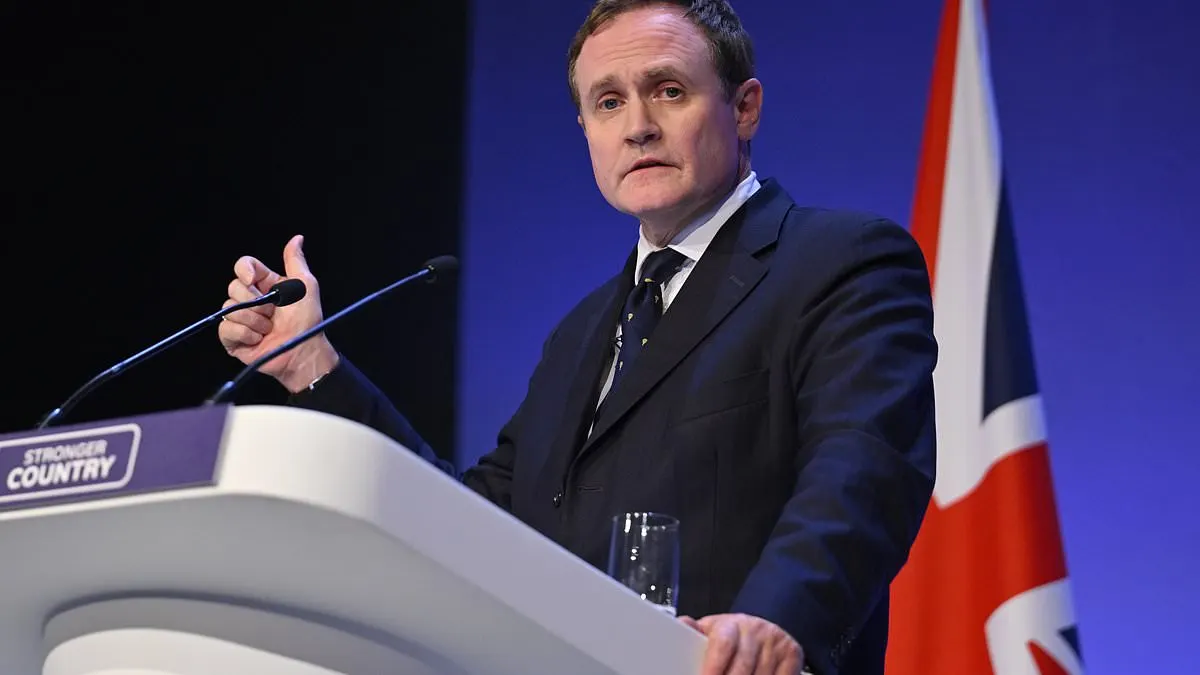
The article describes a Conservative conference session focused on defence, where speakers warned about the Russian and Iranian threats and criticised the Government’s approach to national security. A downed Iranian Shahed drone displayed above the stage gave the warnings a stark visual focus, while the speakers argued that military preparedness should not be sidelined by domestic concerns.
Historian Niall Ferguson said Britain should take the risk of wider conflict seriously and singled out Birmingham as being within missile range from Kaliningrad. Shadow Foreign Secretary Tom Tugendhat contrasted the drone with the Prime Minister’s reported focus on buses, while Shadow Defence Secretary James Cartlidge argued that “hope” and “vibes” could not stop missiles. The conference also covered welfare spending and fashion, including complaints that tourist tax was affecting luxury shopping.
- Conservative speakers warned of growing national security threats.
- A downed Iranian drone hung above the conference stage.
- Tugendhat criticised the Prime Minister’s reported focus on buses.
New here? Start with this
Russia and Iran pose increasing security threats to Britain and its European allies, particularly following Russia's invasion of Ukraine and ongoing Middle East tensions. These developments have sparked debate about how well-prepared Britain is to defend itself against potential military risks.
The Conservative Party's shadow foreign secretary Tom Tugendhat and shadow defence secretary James Cartlidge have argued that the Labour Government is prioritising domestic concerns over defence spending and military readiness. They contend that defence and national security should not be sidelined during a period of heightened international threats.
This disagreement reflects a fundamental challenge for government: how to balance spending on defence with investment in public services when resources are limited. The debate will influence how Britain approaches national security planning and resource allocation in future years.
Both sides, in good faith
The strongest fair case each way — we don't pick a winner.
The case for
Britain faces demonstrable threats from hostile regimes with proven capability to strike; the Shahed drone is not theoretical but physical evidence of real danger. Military readiness requires sustained investment and modernisation, not as militarism but as responsible stewardship. History shows that credible deterrence prevents conflict while unpreparedness invites aggression. A secure nation underpins all other prosperity and wellbeing; if national security is compromised, domestic concerns become secondary.
The case against
Britain can afford both defence and functional public services—the question is priorities and proportions, not either/or choices. Millions face immediate, measurable hardship: NHS waiting lists, child poverty, crumbling infrastructure. These create real suffering today, not theoretical risks. A healthy society with opportunity and functioning services is itself more secure and resilient; strategic choices about spending are possible without abandoning deterrence, and neglecting public wellbeing for ever-expanding defence budgets is a political choice, not an inevitability.
Americas Elections Politics World
Read the full article at the source →
Originally published by Daily Mail as “QUENTIN LETTS: Mr Tugendhat regretted our new PM cared only about buses. That, he said, pointing to the drone above, ain’t no bus”.