Victims feel betrayed after convicted Sheffield rapist flees to Pakistan on bail
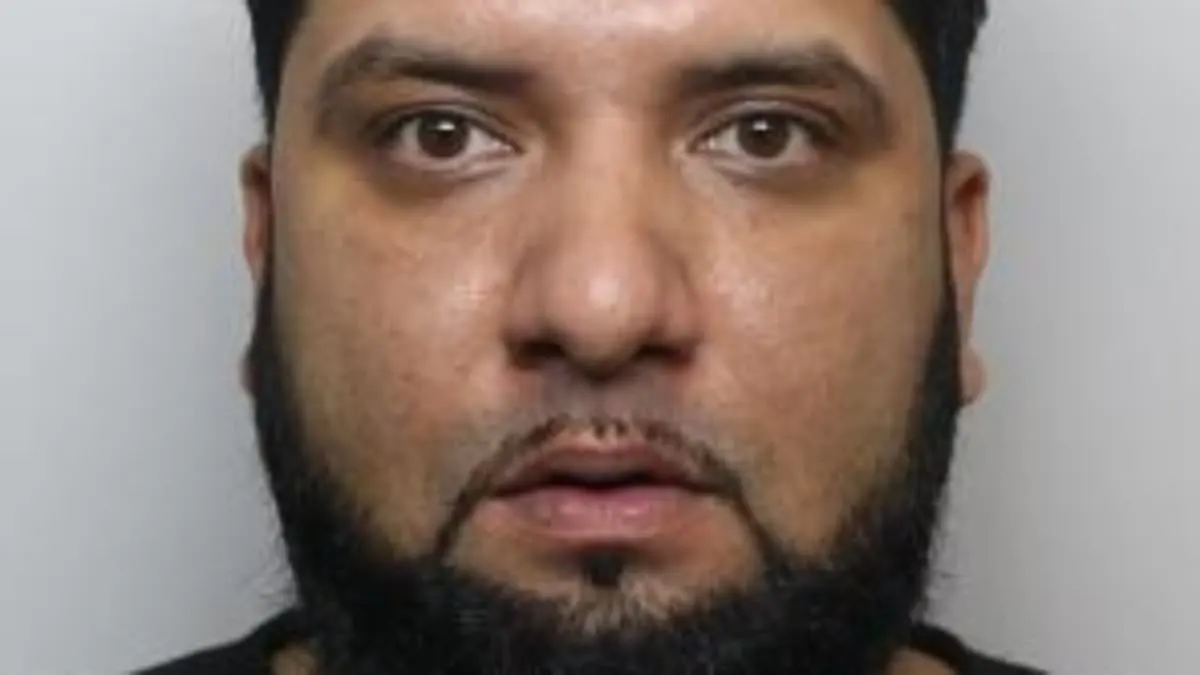
Amar Ilyas, a serial rapist convicted of 20 sexual offences including 13 counts of rape against five girls, fled to Pakistan in July 2025 whilst on bail before being sentenced in his absence to a minimum of 27 years in jail. He had been permitted to retain his passport whilst awaiting trial, reportedly on human rights grounds, leading three of his victims to feel "betrayed" by the justice system's failure to prevent his escape. The case has highlighted serious concerns about bail decisions, particularly as prisons are described as "alarmingly full" and dangerous offenders are being granted bail routinely to tackle overcrowding.
Ilyas was convicted of abusing five girls, three of whom were aged 13 or under at the time of the historical offences, which occurred in Sheffield in the 2000s. Judge Peter Hampton urged authorities to use "all means" to bring him back to the UK following his conviction. His two younger brothers, Kamar (39) and Kamran (38), were separately jailed for 10 and three years respectively for related sexual offences as part of Operation Stovewood, a £90 million investigation into grooming and sexual abuse in Rotherham between 1997 and 2013. The National Crime Agency stated it is making efforts to locate Ilyas, whilst the government said bail restrictions remain a matter for the independent judiciary.
- Serial rapist fled to Pakistan after being allowed to keep passport "for human rights".
- Convicted in absence of 20 sexual offences; sentenced to minimum 27 years in jail.
- Victims report feeling betrayed; concerns raised over dangerous offenders being granted bail.
New here? Start with this
The case concerns sexual abuse in Sheffield in the 2000s, when five girls were targeted; three were aged 13 or younger. Amar Ilyas was convicted of 20 sexual offences, including 13 rapes, and his brothers were also convicted of related offences investigated as part of Operation Stovewood, which examined abuse in Rotherham between 1997 and 2013.
In England and Wales, bail allows a person accused of a crime to remain out of custody while a case proceeds, sometimes subject to conditions. Decisions about bail and restrictions such as surrendering a passport are made by the courts, which must weigh public safety and the rights of the accused.
The case has drawn attention to how courts assess the risk that someone on bail may flee, and to wider pressure on prisons. It also raises questions about how the justice system can protect victims and pursue people convicted of serious crimes who are outside the country.
Both sides, in good faith
The strongest fair case each way — we don't pick a winner.
The case for
A man convicted of raping children was allowed to remain free on bail and subsequently fled to Pakistan, leaving his victims betrayed by a system that failed to protect them. Remanding dangerous offenders in custody when flight risk is evident must take priority over human rights principles that have been wrongly invoked to shield the guilty; judges bear responsibility for individual decisions that endanger victims.
The case against
Judges must operate within established legal frameworks designed to protect individual rights, and these principles must be applied consistently even in difficult cases. Prison overcrowding is a genuine systemic crisis that significantly constrains judicial options; rather than blaming individual judges for decisions made within legal constraints, society should address the root causes that force courts into such constrained positions.
Read the full article at the source →
Originally published by Daily Mail as “Women abused by serial rapist ‘betrayed’ after he fled to Pakistan while on bail when he was allowed to keep his passport ‘for human rights reasons’”.