Race, illness, injury, repeat – REDs and why men are suffering in silence
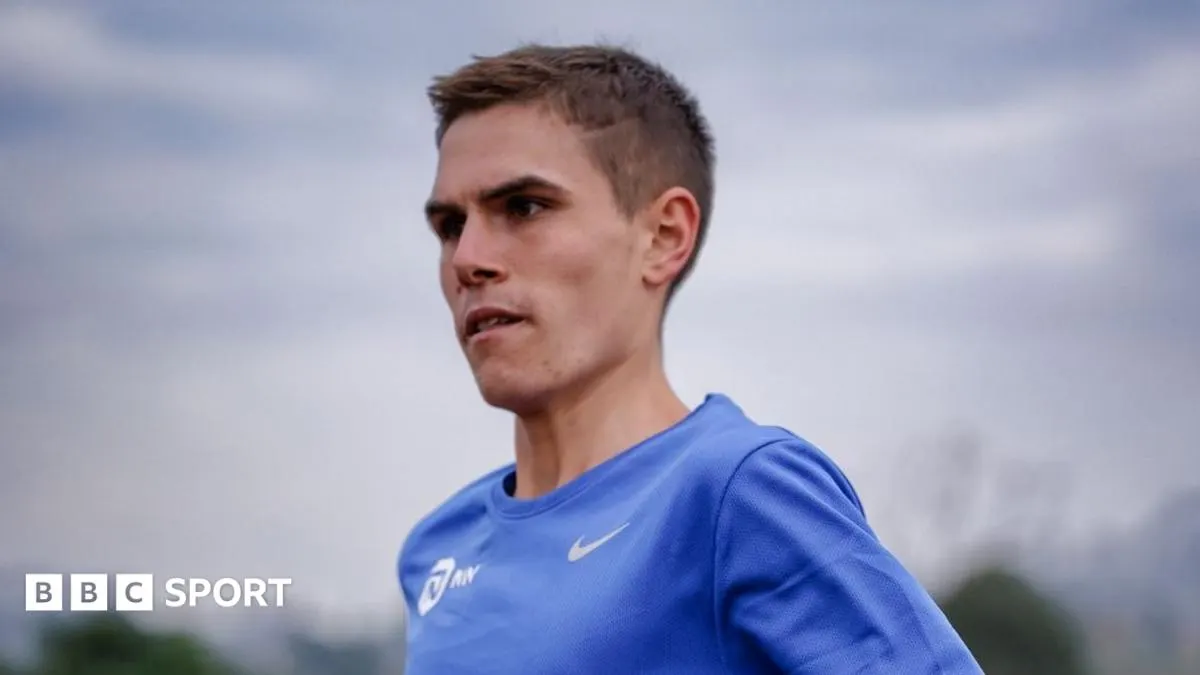
British long-distance runner Jake Smith developed relative energy deficiency in sport (REDs) while pursuing a demanding training regime alongside disordered eating. After repeated illness and injuries, including two stress fractures in four months, he sought help; doctors warned his brittle bones could end his career. His experience highlights how REDs can affect men as well as women, yet may be missed because signs in men are less obvious and stigma can deter them from speaking up.
REDs occurs when an athlete does not take in enough energy to support their training and bodily functions. It can cause fatigue, disrupted sleep, low mood and bone injuries, and may lead to longer-term problems such as osteoporosis, cardiovascular disease and fertility issues. In women, periods may stop; in men, testosterone and libido can fall. A meta-analysis published last year reported low energy availability in 44.2% of female athletes and 49.4% of male athletes, while the belief that being lighter improves performance is one factor linked to the problem.
- Jake Smith’s REDs caused repeated injuries and threatened his running career.
- Men can be affected, but signs may be harder to spot.
- Research found low energy availability in nearly half of male athletes.
New here? Start with this
Relative energy deficiency in sport, known as REDs, happens when an athlete’s food intake does not provide enough energy for both training and the body’s everyday needs. It can affect health and performance, and may be linked to fatigue, low mood, repeated illness and injuries such as stress fractures.
The signs can differ between people. In women, menstrual periods may stop; in men, testosterone and sex drive may fall. Jake Smith is a British long-distance runner whose experience of illness and repeated injuries led him to seek medical help.
REDs can affect athletes of any gender, but less obvious signs in men and stigma around discussing health may make it harder to recognise. Research has reported low energy availability among both female and male athletes, and the belief that being lighter improves performance is one factor associated with the problem.