Politics news and discussion on TalkFuse.
Security Council ballot tests support for UN chief candidate Grynspan
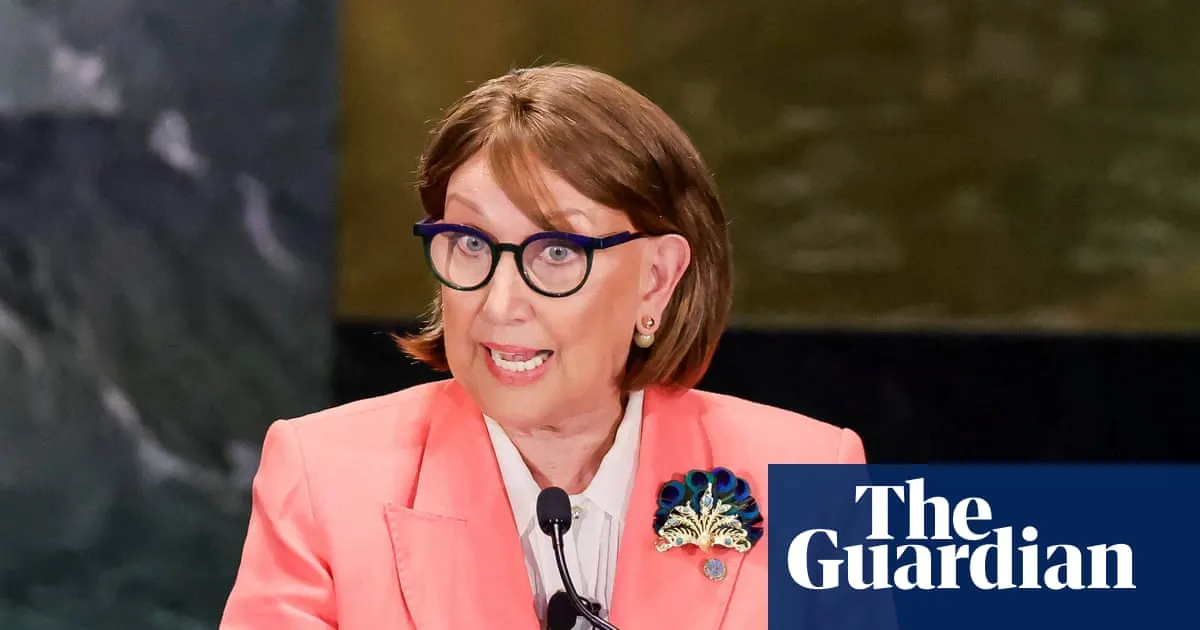
A UN Security Council ballot could show whether major powers will block Rebeca Grynspan, the Costa Rican frontrunner to succeed António Guterres as secretary general. A veto would expose divisions among the world’s powers and renew debate over the influence of the council’s five permanent members.
Grynspan has led seven of eight secret straw polls since 30 July, though Russia and the US are thought to oppose her. Candidates need at least nine votes and no veto to be recommended to the General Assembly; Friday’s ballot separates votes by the permanent five from those of the 10 elected members. The UAE’s Lana Nusseibeh, backed by the US and Russia, has received seven “encourage” votes in two polls, amid opposition linked to regional diplomacy and calls from 68 British MPs for the UK prime minister to veto her.
In short
- A key UN ballot could reveal whether Grynspan faces a veto.
- Candidates need nine votes and no permanent-member veto.
- Nusseibeh’s UAE bid faces political and regional opposition.
Steelman: both sides, in good faith
The strongest fair case each way — we don't pick a winner.
The case for
The permanent members’ veto can be defended as a safeguard that makes a secretary general acceptable to the powers most able to shape the UN’s work. If Grynspan lacks the support of key members, a veto could signal that appointing her risks leaving the organisation less able to secure their cooperation; the ballot also gives elected members’ views a distinct place in the process.
The case against
A veto can allow one or two powerful states to override broad support among the council and limit the choice available to the wider UN membership. If Grynspan’s lead in the straw polls reflects substantial backing, blocking her could appear to privilege the preferences of permanent members over the organisation’s wider membership and weaken confidence in the appointment process.
Explained simply
The UN secretary general is the organisation’s chief official, serving a five-year term and helping guide its work on issues such as conflict and humanitarian crises. António Guterres is due to be succeeded in 2027, and the Security Council must recommend a candidate to the General Assembly, where all UN member states take part in the appointment.
The council has 15 members: five permanent members—China, France, Russia, the UK and the US—and 10 elected members. A candidate needs at least nine votes and must avoid a veto from any permanent member, giving those five countries a decisive role.
Rebeca Grynspan, a Costa Rican economist and former vice-president, is among the candidates. Lana Nusseibeh of the United Arab Emirates is another; the contest has drawn attention to how regional relationships and the permanent members’ positions can shape the choice.
Elections Geopolitics Politics World
Read the full article at the source →
Originally published by The Guardian as “Race to be next UN secretary general exposes divisions among world powers”.