World news and discussion on TalkFuse.
Race to save hundreds trapped in hydro tunnels after Nepal flash flood disaster as terrifying new videos emerge and death toll passes 900 with 4,250 missing
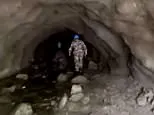
Rescuers in Nepal worked through the night to reach hundreds of workers feared trapped inside collapsed hydropower tunnels, days after a catastrophic flash flood tore through the Nepal-Tibet border region. The disaster, triggered by a glacier collapse on Wednesday, sent a torrent of ice, rock, mud and debris crashing down the Himalayas, killing more than 900 people and leaving 4,250 still missing. The scale of the destruction has overwhelmed local authorities, with many recovered bodies buried in shallow graves as they began decomposing in humid conditions.
Officials say 933 people remain missing across 24 hydropower projects in the flood zone, of which 12 have been completely destroyed, while 279 workers have so far been rescued. At sites such as Upper Trishuli 3A, soldiers pumped air into mud-choked tunnels and descended by rope calling out for survivors, often met with silence. A former energy minister coordinating the rescue estimated around 300 workers remain trapped across six to eight tunnels, warning survival chances depend on unknown conditions inside; specialist teams from India, China and South Korea are assisting, with a Chinese team recovering one body some 300 metres into the Upper Trishuli-1 tunnel.
In short
- Nepal flood death toll passes 900, with 4,250 still missing
- Hundreds of workers believed trapped in blocked hydropower tunnels
- International rescue teams from India, China, South Korea assisting
Explained simply
Nepal is a mountainous country where rivers fed by snow and glaciers are used to generate electricity. Hydropower projects often involve large workforces and tunnels cut into steep terrain, including in remote areas near the border with Tibet, a region governed by China.
A sudden collapse of ice and rock can send water and debris rushing down mountain valleys, damaging roads, power stations and the tunnels beneath them. When tunnels fill with mud or collapse, workers may be cut off from rescuers, and the extent of the damage can make it difficult to know who is inside or whether routes remain passable.
Rescue efforts can involve Nepal’s soldiers and emergency services, alongside specialist teams from neighbouring countries. The number of people unaccounted for and the condition of damaged tunnels shape the scale and difficulty of the search.