RAF base chemical contamination worst in UK, report says
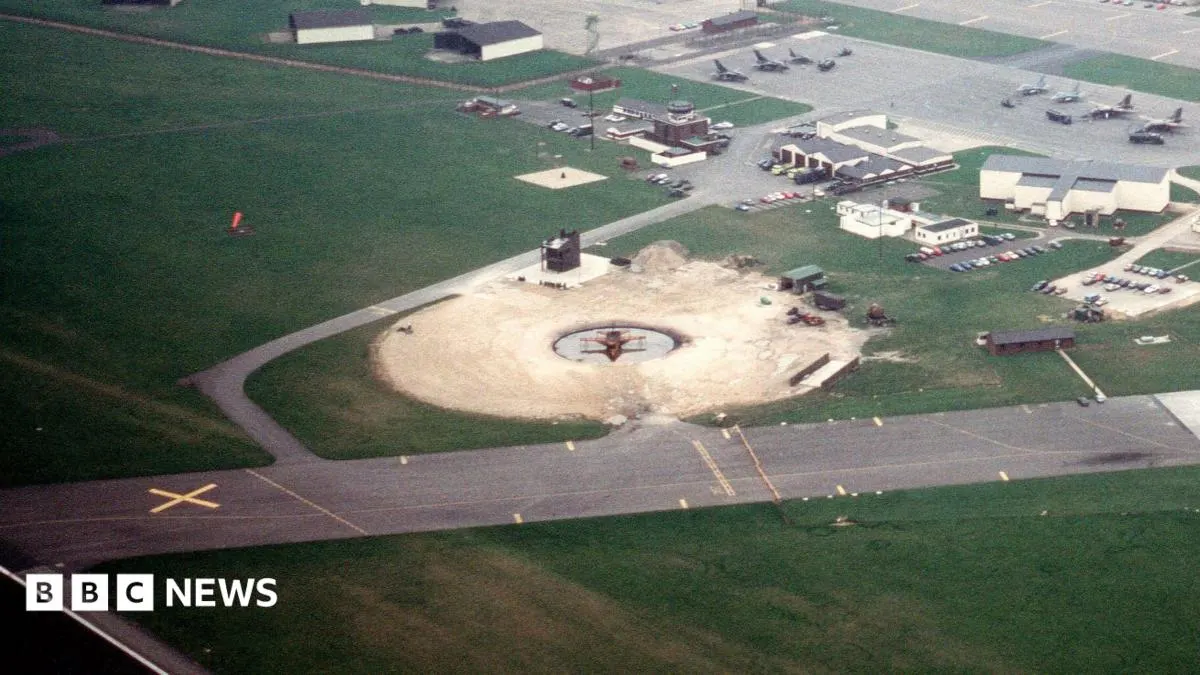
A report found PFAS contamination at the former RAF Upper Heyford base at levels described as the worst identified in the UK. The finding matters because the site is earmarked for 9,000 homes, while residents and campaigners have raised concerns about pollution reaching nearby waterways and the safety of existing developments.
The report identified the former firefighting practice pond as the most significant ongoing source, and another investigation found widespread contamination in ground and surface water, with all samples exceeding environmental standards. Independent testing found elevated PFAS in more than a dozen streams; results from a primary school site also exceeded safe levels under environmental quality standards. Developer Dorchester Living says residential soil samples showed the area was safe for use and proposes further phased investigation and remediation, but those additional results have not been published.
In short
- Report says PFAS contamination at Upper Heyford is the UK’s worst identified.
- Tests found widespread contamination in water at the former base.
- Developer says more investigation and possible remediation are planned.
Steelman: both sides, in good faith
The strongest fair case each way — we don't pick a winner.
The case for
The contamination findings warrant caution because PFAS can persist in the environment, and testing found elevated levels in water and at a school site, while the former firefighting pond remains a significant source. Residents and campaigners can reasonably argue that plans for 9,000 homes should proceed only with transparent, comprehensive testing and effective remediation, especially before relying on unpublished results.
The case against
The reported contamination does not by itself establish that the planned homes or existing developments are unsafe: the developer says residential soil samples indicated the area was safe for use. A phased programme of further investigation and remediation could be a proportionate way to address risks across a large site, provided decisions are guided by the results and appropriate standards.
Explained simply
PFAS are a group of long-lasting chemicals used in products such as firefighting foams. They can persist in soil and water, so contamination may remain after the original use has ended.
The former RAF Upper Heyford airbase in Oxfordshire is being redeveloped, with plans for about 9,000 homes. The report points to an old firefighting pond as a major source of pollution, while separate tests found PFAS in nearby water and at a primary school site.
Dorchester Living, the developer, says tests of residential soil found the area safe for use and proposes further investigation and clean-up in stages. The findings matter to people living near the site and to future residents, as well as to decisions about protecting local waterways; the proposed further results have not been published.