World news and discussion on TalkFuse.
RAF ‘hiding aircraft to protect them from drone threats’ after recent terror incidents at bases
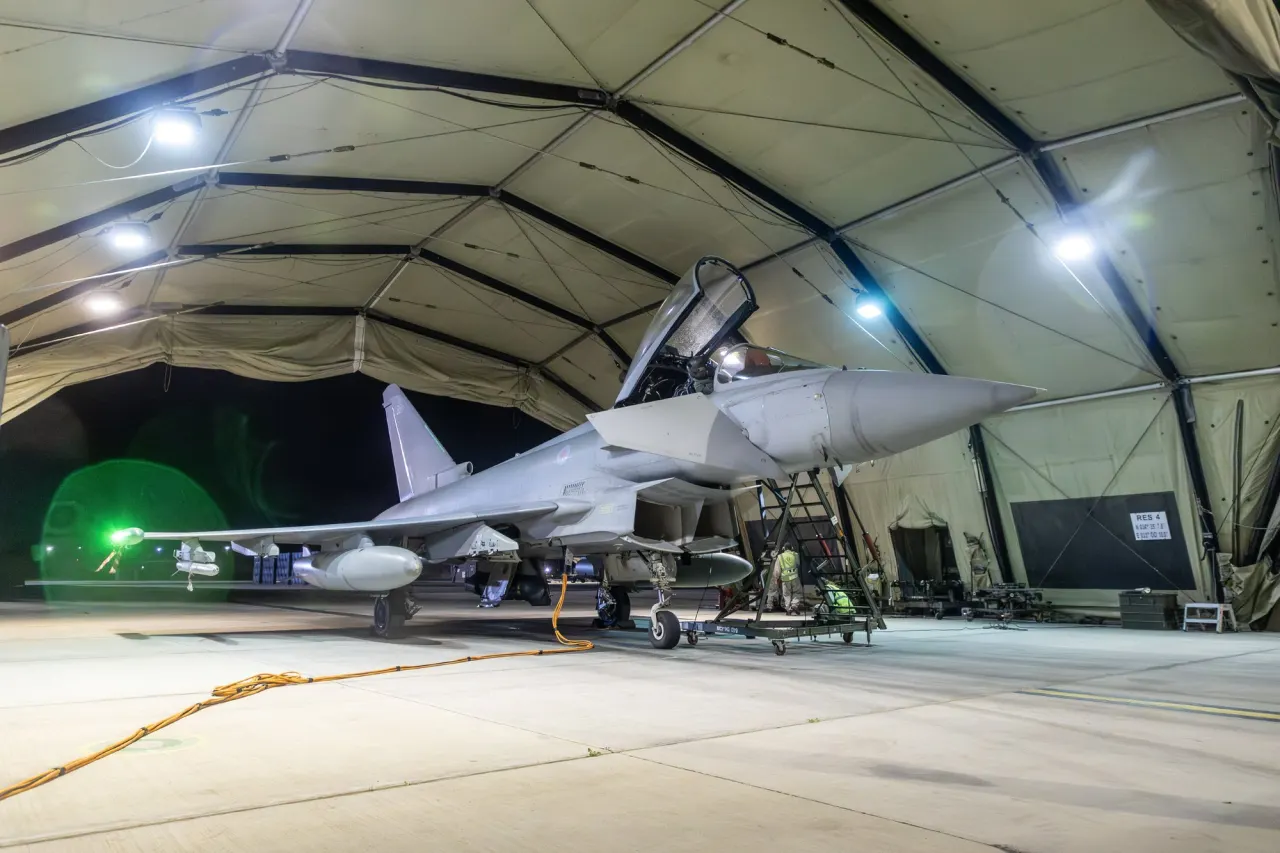
The RAF is strengthening protection for aircraft after repeated security incidents involving drones and suspicious activity near British air bases. It plans to keep fighter jets, tankers and other aircraft overnight in hangars or hardened shelters, and use anti-drone netting where secure infrastructure is unavailable.
Recent incidents include two drone alerts at RAF Lakenheath since 2024, five arrests after suspicious activity near RAF Fairford in September, and two Latvian nationals arrested over an alleged breach at RAF Molesworth in October. Air Chief Marshal Sir Harv Smyth says the RAF is also practising dispersing aircraft across sites from Prestwick to Boscombe Down, making them harder to target; a March exercise tested responses to simulated cyber-attacks and missile threats, though few findings were made public.
In short
- RAF aircraft will be sheltered overnight amid drone concerns.
- Netting may protect aircraft parked without hardened shelters.
- The RAF is practising dispersal across sites around the UK.
Steelman: both sides, in good faith
The strongest fair case each way — we don't pick a winner.
The case for
Keeping aircraft in hangars or hardened shelters and dispersing them across sites could reduce their exposure to drones, sabotage and other attacks, helping protect personnel and preserve the RAF’s ability to respond in a crisis. Supporters could argue that recent alerts and alleged breaches justify practical precautions, even when the full details of security exercises cannot be made public.
The case against
Critics could argue that moving aircraft and installing netting may be costly or operationally disruptive, while offering limited protection if threats evolve or target other parts of an air base. They may also question whether the public can assess the measures’ effectiveness when little is disclosed about exercises and findings, and favour clearer evidence that the response is proportionate to the incidents reported.
Explained simply
The Royal Air Force (RAF) operates military aircraft from bases across Britain, including fighter jets and aircraft that refuel others in flight. These bases support training and operations, and their aircraft and equipment are considered important to national defence.
Drones can be used to watch or disrupt activity near military sites, while people entering a base without permission can raise security concerns. Recent alerts and arrests have brought attention to how well aircraft are protected when parked on the ground.
The RAF’s options include putting aircraft in hangars or reinforced shelters, using netting against drones, and spreading aircraft across different locations. These measures matter because aircraft gathered at a base may be easier to find or target, while dispersal can make protection and coordination more demanding.