Technology news and discussion on TalkFuse.
RAF’s next-generation jet could be’ last crewed fighter we ever build’ as Air Chief Marshal admits AI is set to transform military aviation
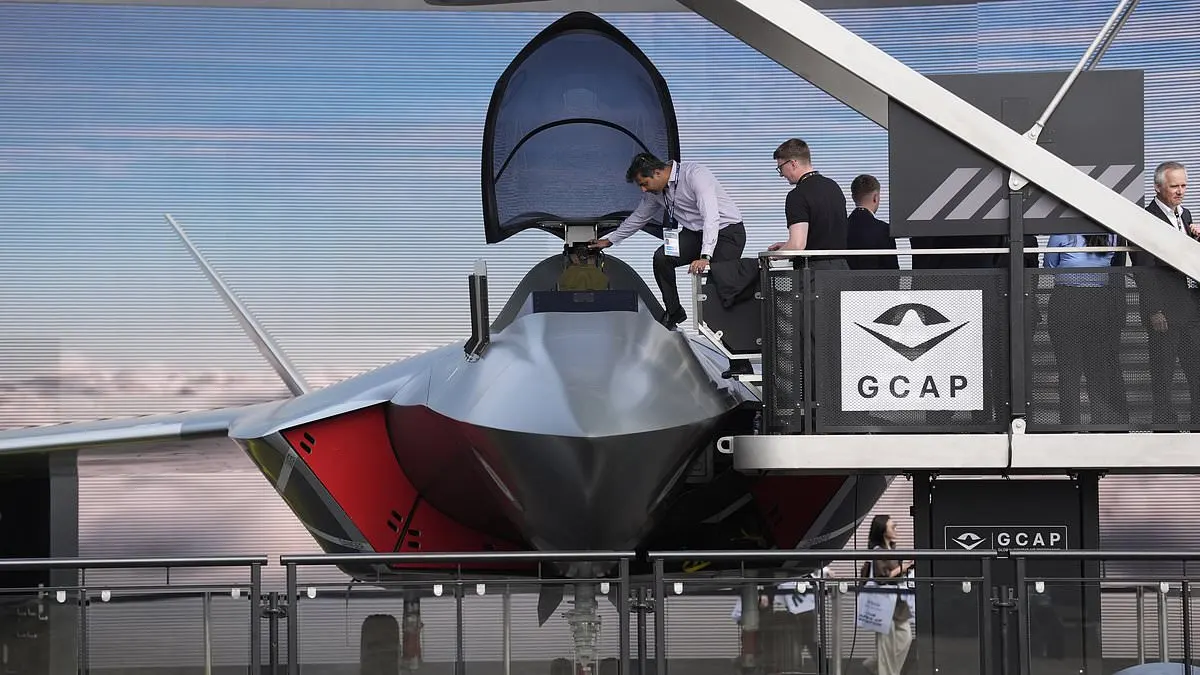
Air Chief Marshal Sir Harv Smyth said the sixth-generation fighter being developed by Britain, Italy and Japan could be the last crewed fighter the countries build, as AI and uncrewed aircraft reshape military aviation. He said these technologies could take on dangerous tasks, while stressing that they should support human judgement and accountability.
The Global Combat Air Programme, informally called Tempest, is intended to deliver a stealth aircraft by 2035; the UK signed a £4.6 billion design contract in July. It is being developed by Edgewing, a joint venture involving BAE Systems, Leonardo and Japan Aircraft Industrial Enhancement Company. Smyth also said uncrewed fighter jets will begin flying in UK airspace next year, and that around 300 RAF trainees graduate each month.
In short
- RAF chief says GCAP could be Britain’s last crewed fighter.
- The UK, Italy and Japan aim to deliver it by 2035.
- Smyth says AI should support human judgement and accountability.
Steelman: both sides, in good faith
The strongest fair case each way — we don't pick a winner.
The case for
A final crewed fighter programme could preserve human judgement and accountability while giving pilots a capable platform to direct AI and uncrewed aircraft in complex operations. Investing in Tempest may also sustain British, Italian and Japanese aerospace expertise and provide a credible defence capability as military technology changes.
The case against
Committing billions to a crewed aircraft that may be the last of its kind risks locking resources into a costly platform just as autonomous systems could offer cheaper ways to take on dangerous missions. Given the pace of AI development, critics could argue that more investment in adaptable uncrewed aircraft and safeguards for human oversight would better prepare air forces for future needs.