Rare damselfly spotted by restored chalk river
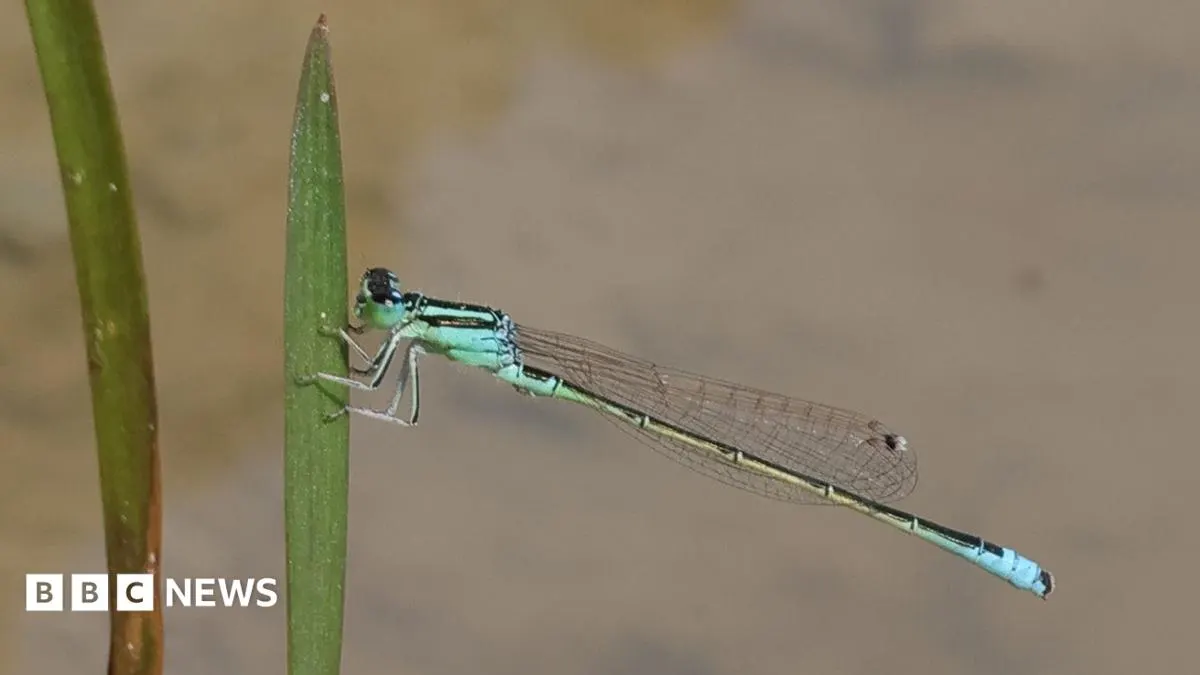
An endangered scarce blue-tailed damselfly has been recorded in wetlands beside the River Ash near Hertford, following restoration of a stretch of the chalk river. The sighting offers a sign that creating and restoring habitats can help wildlife facing growing pressure.
The 4.3-mile (7km) stretch at Easneye Estate was returned to its original course last year, after a seven-year project that also created gravel beds and wetlands. The damselfly was recorded at two nearby monitoring sites in late summer. A recent British Dragonfly Society assessment classified it as Endangered; eight dragonfly and damselfly species now have that status, twice as many as in 2008. River monitoring also found more invertebrates, while brown trout have begun spawning on the new gravel beds.
In short
- Endangered damselfly recorded beside the restored River Ash.
- Seven-year project restored 4.3 miles of chalk river.
- Eight dragonfly and damselfly species are now classed as endangered.
Explained simply
The River Ash is a chalk stream, a type of river fed by groundwater that usually runs clear over a bed of chalk and gravel. These rivers support varied wildlife, but changes to river channels, water quality and surrounding habitats can put pressure on the species that depend on them.
The scarce blue-tailed damselfly is a small flying insect whose numbers have declined, and it is classified as Endangered in Britain. The British Dragonfly Society assesses the conservation status of dragonflies and damselflies; its recent assessment found that eight species are now Endangered, twice the number recorded in 2008.
River restoration can involve returning a river to a more natural course and creating features such as wetlands and gravel beds. These provide habitat for insects and fish, including brown trout, and monitoring can help show how wildlife responds over time.