Technology news and discussion on TalkFuse.
Ray-Ban’s latest smart glasses offer modest upgrades at premium prices
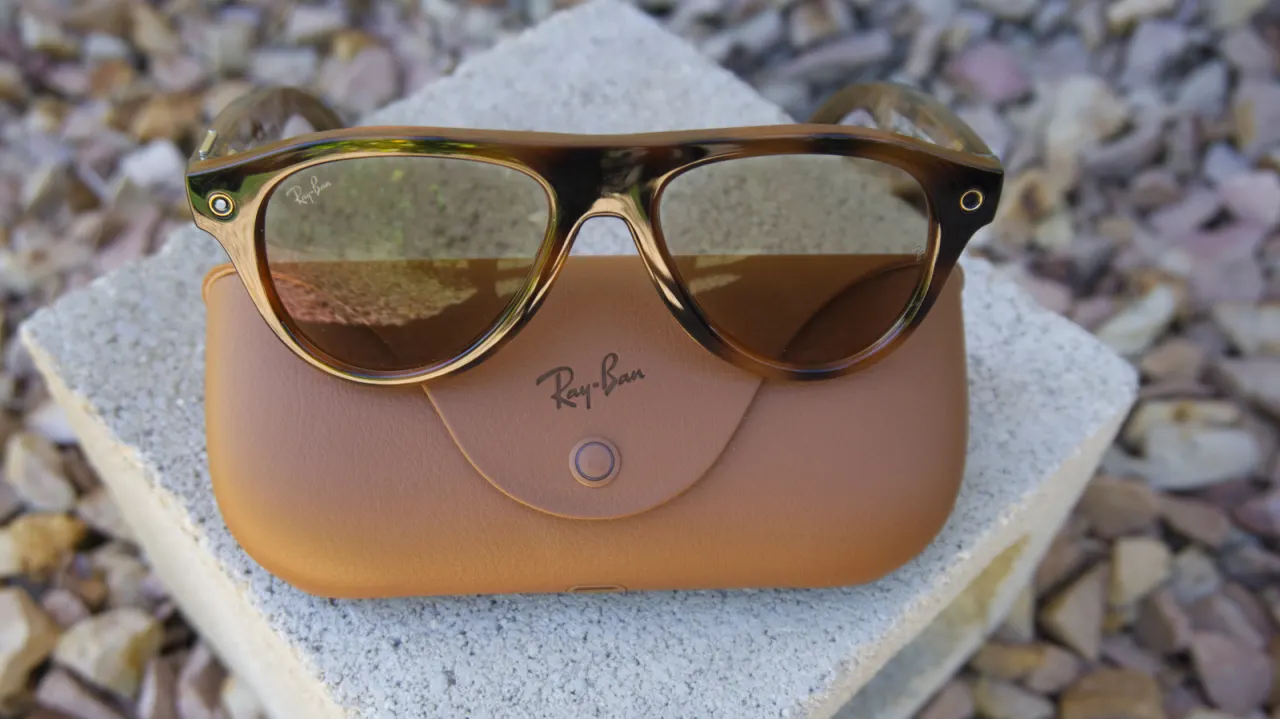
Meta’s third-generation Ray-Ban smart glasses add a few refinements, but the review finds them hard to recommend as the default choice at $449. They remain Meta’s most premium smart glasses without a display, yet the modest upgrades and higher prices for some styles may make the new models poor value for many buyers.
Gen 3 adds a customisable action button, an extra microphone and claimed battery life of up to nine hours, about an hour longer than Gen 2; the charging case is rated for another 50 hours. The reviewer got around six hours of continuous audio playback and found call audio clearer, but noted that the oversized Aviator frames slipped and need professional adjustment. Aviator and Zena styles start at $529, while the Wayfarer is slimmer than before.
In short
- Gen 3 offers small upgrades at a $449 starting price.
- Aviator and Zena frames start at $529.
- Battery life is rated up to nine hours.
Steelman: both sides, in good faith
The strongest fair case each way — we don't pick a winner.
The case for
The higher price may be reasonable for buyers who value the added microphone, customisable button, longer claimed battery life and clearer call audio, especially alongside the charging case and updated Wayfarer design. Premium frames and hands-free smart features can justify paying more for people who will use them regularly and prefer this style.
The case against
The changes appear incremental, and the reviewer’s six hours of continuous audio fell short of the nine-hour claim, which weakens the case for paying a premium. At $449, and from $529 for some styles, fit issues and the need for professional adjustment may make them poor value compared with less expensive alternatives.
Explained simply
Meta makes smart glasses with the eyewear brand Ray-Ban. They combine ordinary-looking glasses with cameras, microphones and speakers, letting wearers take photos, listen to audio and make calls.
The latest models are part of Meta’s third generation, following earlier versions that added similar features. They have no display in the lenses, so they are different from glasses designed to show information in front of the wearer’s eyes.
The key question for buyers is how much the refinements are worth compared with the price. The glasses also raise practical considerations, including fit and how people nearby may feel about being filmed or photographed.
Read the full article at the source →
Originally published by Engadget as “Ray-Ban Meta (Gen 3) review: Minor upgrades that cost too much”.