Business news and discussion on TalkFuse.
Australia raises rates to 4.85% as inflation remains elevated
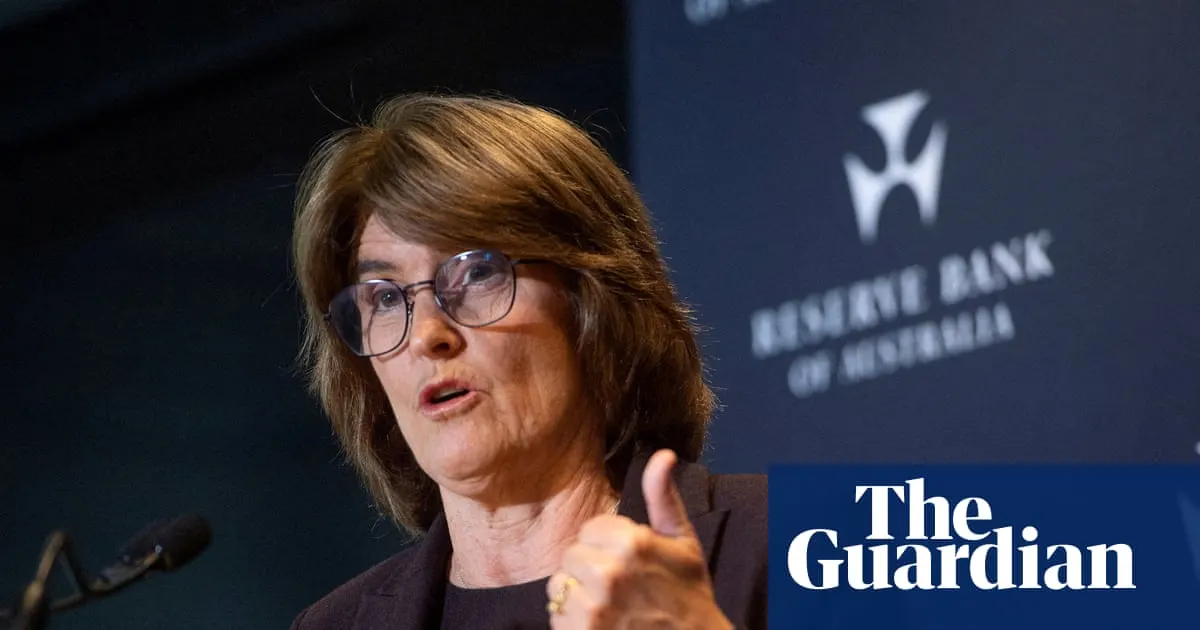
Australia’s Reserve Bank raised its cash rate by 0.25 percentage points to 4.85%, its fifth increase in 2026 and the highest level since 2008. Governor Michele Bullock said the move was needed to bring inflation down, arguing that some hardship now could prevent greater pain later; the decision will add pressure on households with mortgages.
The board was divided, with six members backing the increase and three preferring to hold rates steady. The bank’s statement did not signal an explicit likelihood of further rises, suggesting it may wait to assess the effects of this year’s increases. Inflation reached 4.3% in the year to September and is forecast to fall below 3% only by the end of 2027; economic growth is projected at 1.6% this year and 1.3% in 2027. Canstar estimates a $700,000 mortgage will cost $107 more a month after the latest rise, bringing the year’s total monthly increase to $532.
In short
- Australia’s cash rate rose to 4.85%, an 18-year high.
- The RBA says the increase is needed to curb persistent inflation.
- A $700,000 mortgage will cost about $532 more each month than before this year’s hikes.
Steelman: both sides, in good faith
The strongest fair case each way — we don't pick a winner.
The case for
Raising rates could help bring persistent inflation under control and protect household purchasing power over time. The bank’s view is that accepting some mortgage pressure now may prevent inflation from becoming more entrenched and requiring even harsher action later.
The case against
Further rate rises add to substantial mortgage costs and could squeeze household spending while economic growth is already projected to slow. With inflation expected to ease only gradually and the board divided, holding rates steady to assess the effects of earlier increases could avoid imposing extra hardship before its necessity is clear.
Explained simply
Australia’s Reserve Bank sets the cash rate, which influences the interest rates banks charge borrowers and pay savers. It raises rates to make borrowing more expensive and spending less attractive, which can help slow price rises.
The bank’s board weighs inflation against the effects of higher rates on households and businesses. Governor Michele Bullock leads the bank, while mortgage holders may face higher repayments when lenders pass on rate increases.
Inflation measures how quickly prices rise across the economy. The Reserve Bank aims to keep it within a target range, while also considering economic growth and employment.
Business Economy Software Technology
Read the full article at the source →
Originally published by The Guardian as “RBA interest rates: Bullock says ‘some pain now’ will prevent worse pain later as Reserve Bank hikes rates for fifth time”.