Politics news and discussion on TalkFuse.
Sinn Féin draft revises policy on gender recognition for 16- and 17-year-olds
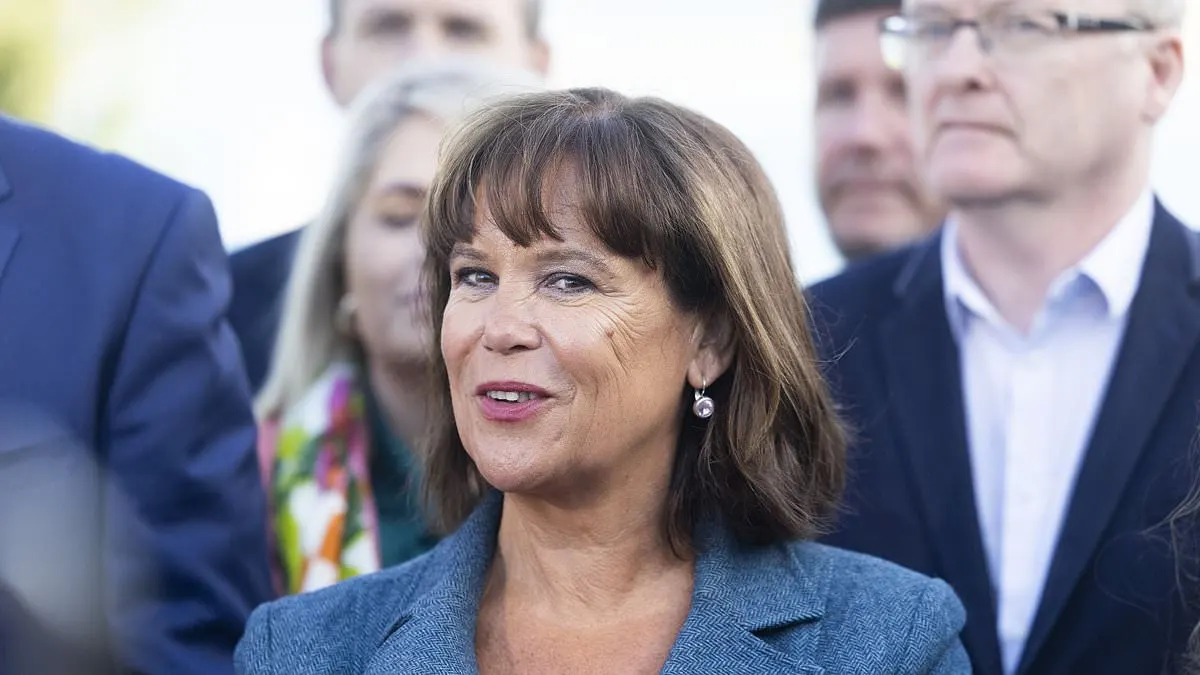
Sinn Féin has circulated a draft gender identity policy to its TDs and Senators, setting out how the party wants representatives to address questions about sex and gender. It seeks to balance inclusion and respect for trans people with practical questions in areas such as healthcare, sport, schools and single-sex spaces.
The draft advises members answering “What is a woman?” to say: “Like most people, I see a woman as an adult female. There are also trans women.” It supports legal recognition for non-binary people and recognises existing gender recognition law. It also reverses the party’s previous policy of allowing 16- and 17-year-olds to legally change their gender without a court order; decisions about children’s healthcare are described as requiring safeguarding, parental involvement and clinical assessment.
In short
- Sinn Féin circulated a draft gender identity policy.
- It gives members a suggested answer to “What is a woman?”
- The draft reverses the party’s policy on legal gender change at 16 or 17.
Steelman: both sides, in good faith
The strongest fair case each way — we don't pick a winner.
The case for
Supporters of the revision may argue that clear, careful language and review of rules affecting healthcare, sport and single-sex spaces can address practical concerns while still recognising trans and non-binary people. They may see safeguarding, parental involvement and clinical assessment for minors as prudent protections, and the change on legal recognition as a reasonable response to the complexity of decisions affecting young people.
The case against
Critics may argue that defining women as adult females, while adding that trans women exist, risks treating trans women as an exception and weakening their recognition in everyday life and policy. They may also view reversing legal recognition for 16- and 17-year-olds as a setback to young people’s autonomy and dignity, particularly where court involvement could make recognition harder to obtain.
Explained simply
Sinn Féin is an Irish political party represented in the Dáil, where its elected members are called TDs, and in the Seanad, whose members are Senators. Its draft policy is intended to guide how those representatives discuss sex and gender and approach questions that arise in public services and everyday life.
Gender recognition laws allow a person’s gender to be legally recognised, while rules for people under 18 raise questions about who should be involved in decisions and what safeguards are needed. The debate matters to trans and non-binary people, families and institutions such as schools, healthcare services and sports bodies, which may need to balance inclusion with practical rules.
Read the full article at the source →
Originally published by Daily Mail as “Read Sinn Féin’s gender identity strategy in FULL, including how its members should answer the ‘What is a woman’ question word for word… plus the party’s about-face on allowing children to change gender”.