Ready player one? Why the games arcade is having a rebirth
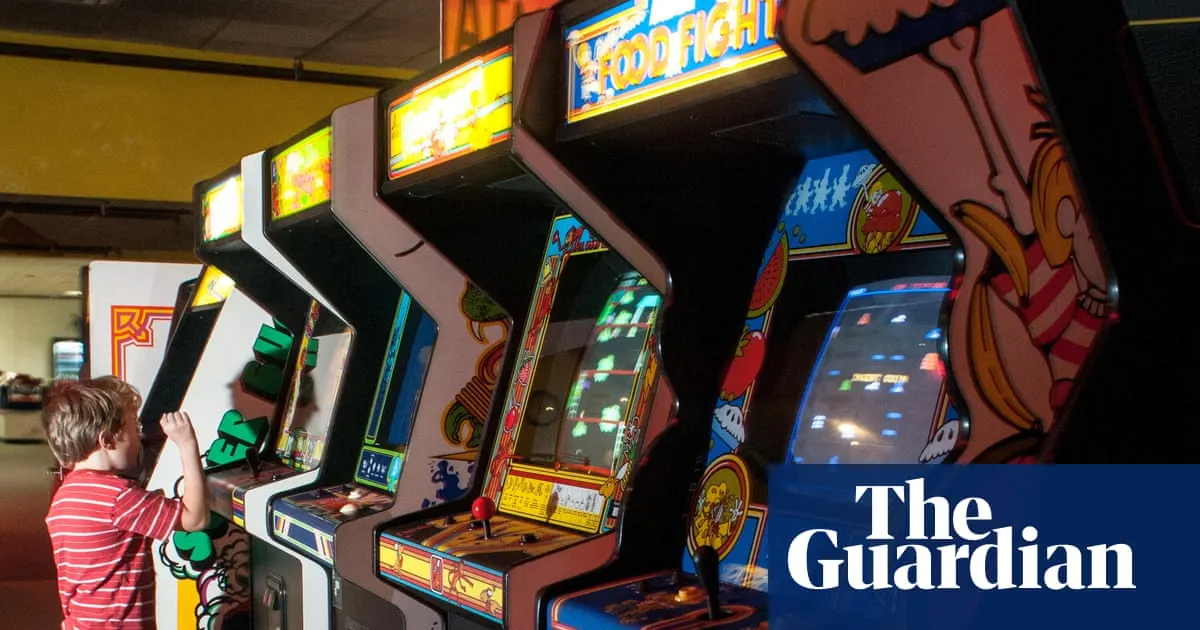
Players and game makers are showing renewed interest in shorter, self-contained games shaped by arcade design, after years of major publishers pursuing sprawling titles that demand ongoing time and spending. The article argues that this shift could support a new kind of independent arcade: a curated social space for playing games, rather than simply a bar with retro machines.
Examples include the air-combat game Ace Combat 8 and the 2D fighter Marvel Tōkon: Fighting Souls, alongside the driving game Star Wars Galactic Racer. Games journalist Will Freeman says gaming cafés and bars show there is a sustainable market for out-of-home play, though he does not describe it as a boom. London’s NQ Japan is preparing to open with imported Japanese arcade cabinets, while interest in retro consoles and physical media suggests people will pay for experiences they cannot get from sleek devices alone.
- Players are warming to focused, arcade-inspired games.
- Independent arcades could offer curated, social play.
- NQ Japan is preparing to open in Soho.
New here? Start with this
Arcade games are designed for short, self-contained sessions, often with clear goals and quick matches. That contrasts with many large modern games, which can ask players to spend long periods exploring and return regularly for new content.
Game makers including Ace Combat 8 and Marvel Tōkon: Fighting Souls are drawing on arcade-style play, while cafés and bars already offer places to play outside the home. London venue NQ Japan is preparing to open with Japanese arcade machines, as some players show interest in physical games and social experiences.
The question is whether these trends can support independent arcades built around a selected range of games and shared play. Their prospects matter to game makers and venue owners seeking audiences beyond home consoles and online services.
Both sides, in good faith
The strongest fair case each way — we don't pick a winner.
The case for
A renewed interest in focused, self-contained games could answer fatigue with sprawling titles that demand long-term commitment, while making games easier to enjoy together in person. A curated arcade could offer something home consoles and phones cannot: distinctive machines, a social setting and a reason to discover games beyond the mainstream.
The case against
The examples suggest renewed interest, but do not yet establish that independent arcades can attract enough regular customers to be sustainable; existing gaming cafés and bars show a market, not necessarily a boom. Imported cabinets and retro appeal may draw enthusiasts, but high costs and competition from convenient home gaming could make a dedicated arcade difficult to keep viable.