Technology news and discussion on TalkFuse.
Reanimated AI Greta Garbo stars again … in a ball-bearing advert
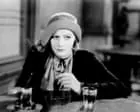
More than a century after her death, Hollywood legend Greta Garbo's likeness has been reanimated using AI technology to star in an advertisement for Swedish industrial company SKF. Her descendants have indicated they would consider allowing an AI version of her to take on film roles in the future, with Craig Reisfield, one of three relatives managing her legacy, describing the technology as "incredible and lifelike" and expressing openness to bringing Garbo back in cinematic form. The development highlights the growing use of AI in filmmaking and the technological advances that allow such recreations to move beyond the "uncanny valley" effect.
The 99-second advertisement was created using text prompts fed into AI models from China's Seedream and Google's Nano Banana Pro, rather than by processing actual images of Garbo (to avoid copyright issues). A human actor performed the role whilst the AI-generated likeness was overlaid, with her voice recreated from a recording of an early film. Reisfield was particularly impressed by the technology's capture of Garbo's mannerisms, facial expressions, dress and voice, though the resulting dialogue—including a statement about energy loss to friction that "sounds like Liz Truss"—falls short of MGM's golden-age screenwriting standards. The project connects to Garbo's second film role in 1921, which was a promotional film for SKF.
In short
- AI recreation of Greta Garbo stars in ball-bearing company advert using advanced text-prompt technology
- Relatives open to AI version taking on actual film roles in future productions
- Technology captures mannerisms and voice convincingly, moving beyond typical AI rendering limitations
Steelman: both sides, in good faith
The strongest fair case each way — we don't pick a winner.
The case for
Garbo's descendants, as lawful custodians of her likeness, have explicitly approved the project and welcomed the technology as an exciting creative achievement. The connection to her genuine 1921 promotional film for SKF creates meaningful historical continuity rather than arbitrary exploitation. No copyrighted images were misused, proper consent was obtained from those with legitimate authority, and the technology represents a remarkable advance that could preserve and extend her artistic legacy in ways audiences find compelling and moving.
The case against
Reanimating a deceased person's likeness raises fundamental ethical questions about dignity and consent that family permission alone cannot fully resolve. Garbo herself cannot approve or object, and the descendants' commercial interests may diverge from what she would genuinely have chosen. This establishes a troubling precedent whereby the deceased become commodified assets available for corporate profit, blurring the meaningful distinction between preserving someone's authentic work and fabricating new performances under their name. The concern transcends legality: whether we ought to treat the dead as raw material for commercial purposes.
Explained simply
Greta Garbo was one of Hollywood's most celebrated film stars of the early twentieth century, renowned for her distinctive beauty and acting talent. She died decades ago, and her legacy and image rights are now managed by her descendants. Recent advances in artificial intelligence have made it technically possible to digitally recreate the likenesses of deceased public figures.
The emergence of technology that can convincingly recreate a person's appearance, movements and voice raises questions about who owns the right to use someone's likeness after they have died. These decisions typically fall to the estates and families of deceased public figures, who must weigh the opportunities and risks of allowing their relatives' images to be used in new productions. Different families and estates may come to different conclusions about whether and how to permit such use.
As the technology has improved and become more realistic, it has moved beyond obvious artificial recreations to versions that can convincingly capture distinctive mannerisms and expressions. Entertainment companies and advertisers are beginning to explore the possibilities this creates for reimagining historical figures in new ways. How rights holders decide to manage these technologies will likely influence broader norms about the use of deceased people's images in entertainment and advertising.