ATM withdrawals rise after government urges households to prepare for emergencies
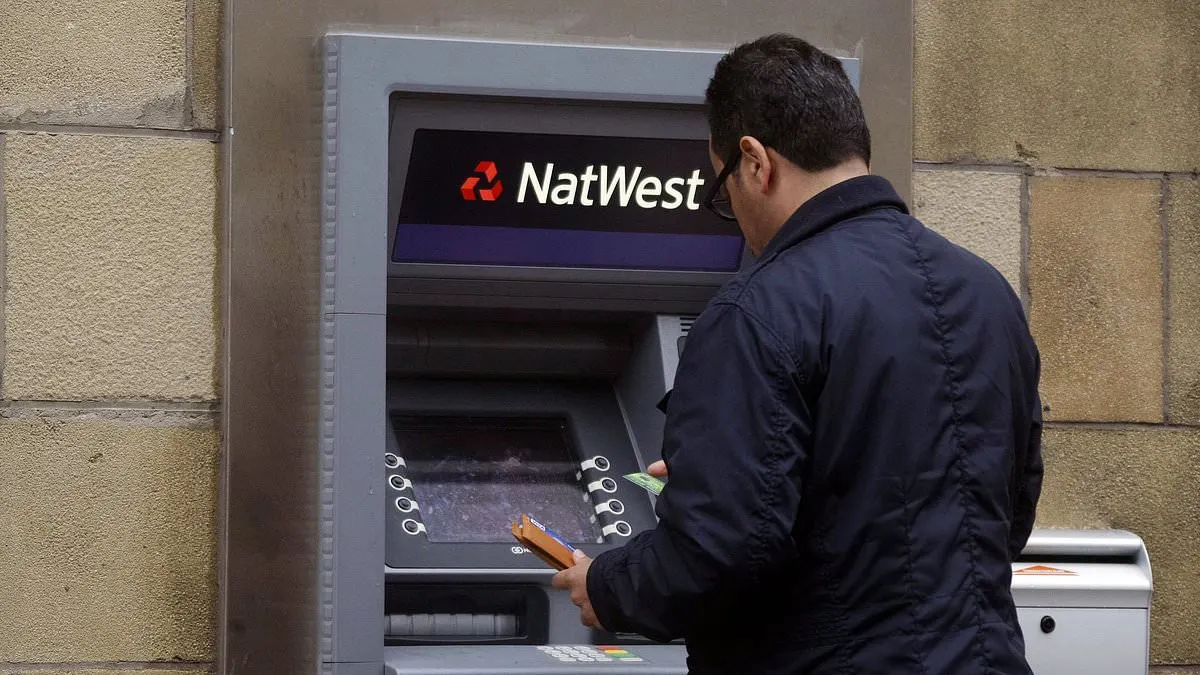
The Government’s “Be Ready” campaign urges households to keep three days of essential supplies in case of emergencies such as war, cyberattacks or natural disasters. ATM withdrawals have risen since the advice was issued, suggesting some people are also keeping cash at home in case electronic payments or cash machines fail.
People withdrew £429 million from ATMs on Wednesday and Thursday, £46 million more than on the same days a week earlier. Saturday’s average withdrawal reached a record £95, according to Link, which has kept records since 2014; figures for Friday and the latest Saturday were not yet available. The campaign has also prompted criticism, with a snap poll finding 49 per cent considered the advice an insulting waste of time and money, while a quarter called it timely and helpful.
In short
- ATM withdrawals rose after the Government’s emergency-preparedness advice.
- £429 million was taken out on Wednesday and Thursday.
- Saturday’s average withdrawal hit a record £95.
Steelman: both sides, in good faith
The strongest fair case each way — we don't pick a winner.
The case for
Keeping some cash alongside essential supplies is a prudent precaution: power cuts, cyberattacks or other emergencies could disrupt card payments and cash machines, leaving households unable to buy necessities. The Government’s advice may help people prepare calmly before a crisis, when access to money and supplies could be harder.
The case against
The advice may impose unnecessary cost and worry, particularly on households already struggling with everyday expenses, while giving little practical benefit if serious disruption does not occur. Critics can also argue that encouraging people to stock up and withdraw cash risks presenting unlikely scenarios as an immediate concern, and that emergency readiness is better addressed through clear, proportionate public planning.
Explained simply
The Government’s Be Ready campaign asks households to have enough food, water and other essentials to manage for three days if normal services are disrupted. It covers possible emergencies such as severe weather, war or cyberattacks, which could affect power, communications and access to shops.
Cash is another way to pay if card systems or cash machines stop working, although it may not be available if ATM networks are affected. Link runs the UK’s main cash machine network and tracks withdrawals. The advice has drawn different reactions, with some people seeing it as useful preparation and others questioning its cost and purpose.
The issue matters because households, businesses and public services rely on electricity and digital payment systems. Keeping some supplies or cash may help people cope with disruption, but the advice does not mean an emergency is expected.
Read the full article at the source →
Originally published by Daily Mail as “Record amount of cash could be withdrawn from ATMS as Labour ministers advise to hoard money at home in case calamity strikes”.