Science news and discussion on TalkFuse.
Record-breaking sightings of rare moth in Essex
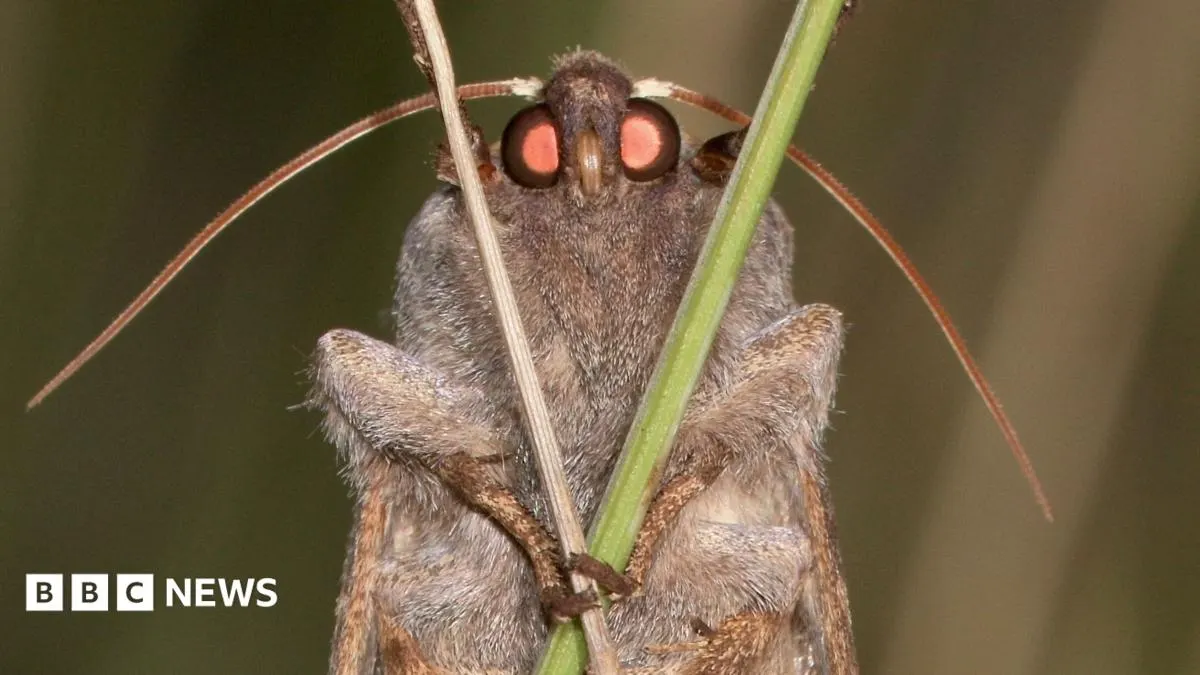
Fisher’s estuarine moths were recorded 111 times at Abbotts Hall nature reserve in Essex in 2026, breaking the previous year’s record. Essex Wildlife Trust says the result shows that conservation work can help a highly threatened species persist.
The moth depends on rare hog’s fennel, which is affected by rising sea levels, while its low-lying grassland habitat is vulnerable to coastal erosion. The trust planted hog’s fennel at Abbotts Hall in 2005 and introduced moth eggs in 2010; it now considers the population self-sustaining. The plant has also been established at reserves in Fingringhoe, Wrabness and Tollesbury.
In short
- 111 moth sightings were recorded at Abbotts Hall in 2026.
- The figure breaks the reserve’s previous record, set in 2025.
- Conservation efforts have helped establish a self-sustaining population.
Explained simply
Fisher’s estuarine moth is a rare species found in a small number of places in Essex. Its caterpillars feed on hog’s fennel, a plant that grows in coastal grassland.
The moth’s habitat is under pressure from rising sea levels and coastal erosion. Essex Wildlife Trust has planted hog’s fennel at several reserves and introduced moth eggs at Abbotts Hall, where the population is now considered able to sustain itself. These efforts matter because they may help the species persist as its coastal habitat changes.