Science news and discussion on TalkFuse.
Record number of osprey chicks for nature reserve
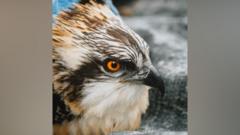
A pair of ospreys at Foulshaw Moss Nature Reserve in Cumbria have helped produce a record five chicks in a single season, delighting birdwatchers and conservationists. Cumbria Wildlife Trust said the milestone was made possible by a new breeding pair joining the reserve's long-established resident pair, Blue 35 and White YW, marking a significant success for a species that has been the focus of sustained habitat restoration efforts at the site.
The five chicks have all been fitted with leg rings and tags to allow conservationists to monitor their movements and life history. The new pair, Blue 717 and her mate Blue 476, fledged three chicks this year after managing just one in their debut season last year, which the trust said was typical for inexperienced ospreys. The long-standing pair, believed to be around 18 years old, contributed the remaining two chicks, beating the reserve's previous record of three chicks in a season; the trust has asked visitors to avoid disturbing the newer nest, which sits close to a boardwalk, before the birds migrate to the Iberian Peninsula or West Africa in September.
In short
- Foulshaw Moss reserve records five osprey chicks, its best season yet.
- New breeding pair joined the reserve's long-established osprey pair.
- Chicks tagged for tracking; birds migrate south in September.
Explained simply
Ospreys are large fish-eating birds of prey that were hunted to extinction in Britain during the 19th century. Over recent decades, they have been gradually returning thanks to legal protection and conservation efforts aimed at restoring suitable nesting habitats and safeguarding their breeding sites.
Foulshaw Moss Nature Reserve in Cumbria is one of the key locations supporting this osprey recovery. The reserve has undertaken substantial habitat restoration work specifically to encourage breeding pairs to settle there, and it carefully monitors any birds that nest at the site, equipping chicks with tracking rings to follow their journeys across Europe and Africa.
This kind of dedicated conservation work has proved effective in reversing the decline of species that were once lost from Britain entirely. The osprey's return as a regular breeding bird demonstrates how protecting key habitats and giving wildlife the space to breed can restore populations once thought lost for good.