Record number of terrorists now locked up in Britain – the majority convicted for Islamist extremism
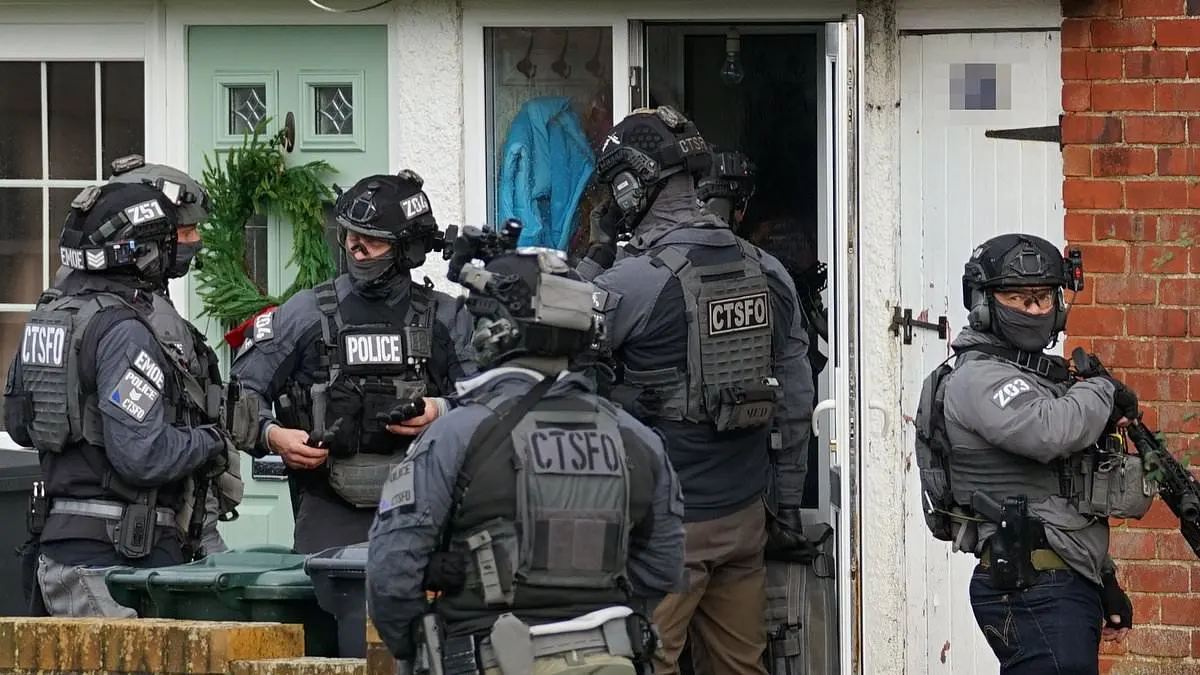
Britain's prison population for terrorism offences has reached a record high of 275 individuals as of June, marking the highest number since record-keeping began in 2010. The sharp increase, up 7 per cent in a year and surpassing March's previous peak of 273, reflects a dramatic surge in arrests following the proscription of Palestine Action last July. This ban has become highly contentious, with the group's co-founder challenging it through the courts whilst prominent figures including Conservative Sir Jacob Rees-Mogg have questioned whether the Government overreached in classifying a protest movement as a terrorist organisation.
The Home Office data reveals 57 per cent of those imprisoned for terrorism offences hold Islamist-extremist views, whilst 29 per cent harbour extreme Right-wing beliefs. Most strikingly, more than half of all 7,385 terrorism-related arrests since 9/11 occurred within the past year: 3,867 arrests, with 94 per cent linked to Palestine Action supporters or members. This represents a dramatic shift from the previous twelve months, when approximately 234 terror-related arrests were made. The proscription decision, originally made by then-Home Secretary Yvette Cooper, carries penalties of up to fourteen years imprisonment and remains subject to ongoing legal challenges.
- Record 275 people imprisoned for terrorism, highest since records began in 2010
- 94 per cent of this year's terror arrests linked to Palestine Action after its proscription
- Supreme Court to hear legal challenge against Palestine Action ban next month
New here? Start with this
Britain monitors the number of people imprisoned for terrorism offences, which include planning attacks, promoting extremism, and supporting banned organisations. This figure is tracked as an indicator of the domestic security threat.
In July 2025, the Government banned Palestine Action, a protest group campaigning on Middle East issues, making membership and support illegal under terrorism law, with penalties of up to fourteen years imprisonment. The ban has proved controversial, with critics arguing the Government overstepped in classifying a protest movement as a terrorist organisation, and the group's leaders are challenging the decision through the courts.
Most of those imprisoned for terrorism offences in Britain hold Islamist extremist views, though far-right extremism represents a significant minority of the threat. The ban on Palestine Action has triggered a substantial increase in terrorism-related arrests and convictions over the past year.
Both sides, in good faith
The strongest fair case each way — we don't pick a winner.
The case for
Supporters of the proscription argue it reflects a legitimate governmental interest in preventing harmful activities undertaken by Palestine Action. They contend that the organisation's tactics—disruption and property damage designed to coerce and intimidate—crossed the threshold from protest into conduct meeting established criteria for terrorist designation. From this perspective, removing the organisation's ability to operate freely represents a proportionate and justified response to genuine security concerns.
The case against
Critics contend the proscription dangerously conflates protest with terrorism, thereby chilling legitimate political dissent and free speech. They argue that whilst Palestine Action's activities were disruptive, they appear to have been primarily non-violent direct action rather than violence against persons, and point to the extraordinary spike in arrests—3,867 in a single year—as evidence the designation has been applied far too broadly. The ongoing legal challenges and cross-party criticism, including from senior Conservative figures, suggest the decision may have overreached the proper bounds of counterterrorism law.