Record WNBA viewership proves the league’s drama is driving fans to screens, not away from them | Matt Calkins
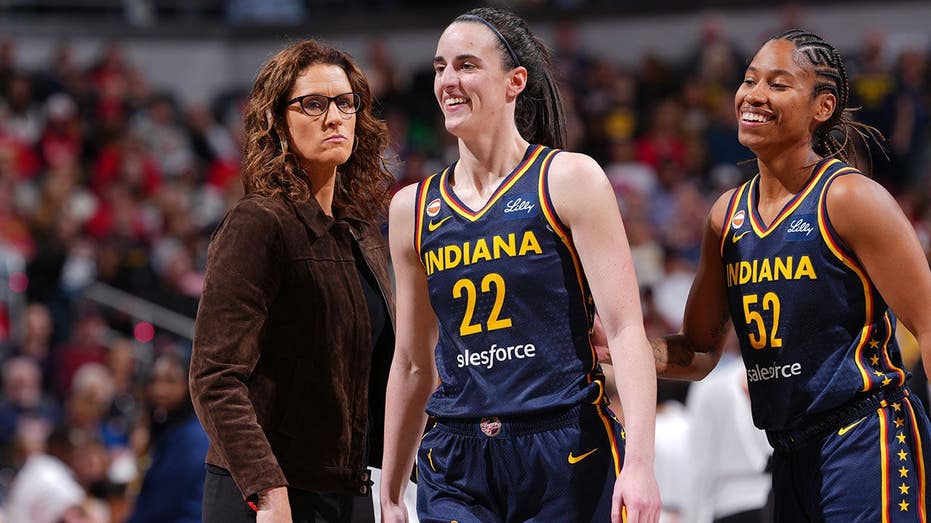
The article argues that controversy surrounding the WNBA has increased public interest rather than damaged the league. It points to record television audiences and attendance as evidence that disputes involving Caitlin Clark, player conduct, league leadership and political issues are attracting viewers.
The WNBA averaged 1.37 million viewers across ESPN networks, up 17% on the previous season, while NBC and CBS each averaged at least one million viewers for their packages. Attendance reached 3.79 million across 330 games, with average crowds rising 5% to 11,474; matches not involving Clark’s Indiana Fever still averaged 984,000 viewers, a 24% increase.
- WNBA viewership reached record levels despite ongoing controversies.
- Attendance rose significantly across the expanded league.
- The article suggests drama may be attracting, rather than repelling, fans.
Both sides, in good faith
The strongest fair case each way — we don't pick a winner.
The case for
The remarkable growth in WNBA viewership directly coincides with increased media coverage of league controversies, including disputes over playing conduct, leadership decisions, and political statements. Record audiences and attendance figures demonstrate that curiosity about these debates and the personalities involved has successfully drawn viewers who might otherwise have ignored the league, suggesting that controversy, far from damaging the WNBA's brand, has served as a powerful catalyst for engagement.
The case against
The viewership growth reflects the WNBA's genuine athletic development, expanded broadcasting distribution, and the arrival of transcendent talent like Caitlin Clark, rather than primarily being driven by controversy. Attributing the league's success to drama risks misinterpreting correlation for causation and potentially normalises divisive incidents as a marketing strategy, when sustained growth actually depends on compelling basketball, strong institutional stewardship, and the natural expansion of women's sports viewership across all levels.